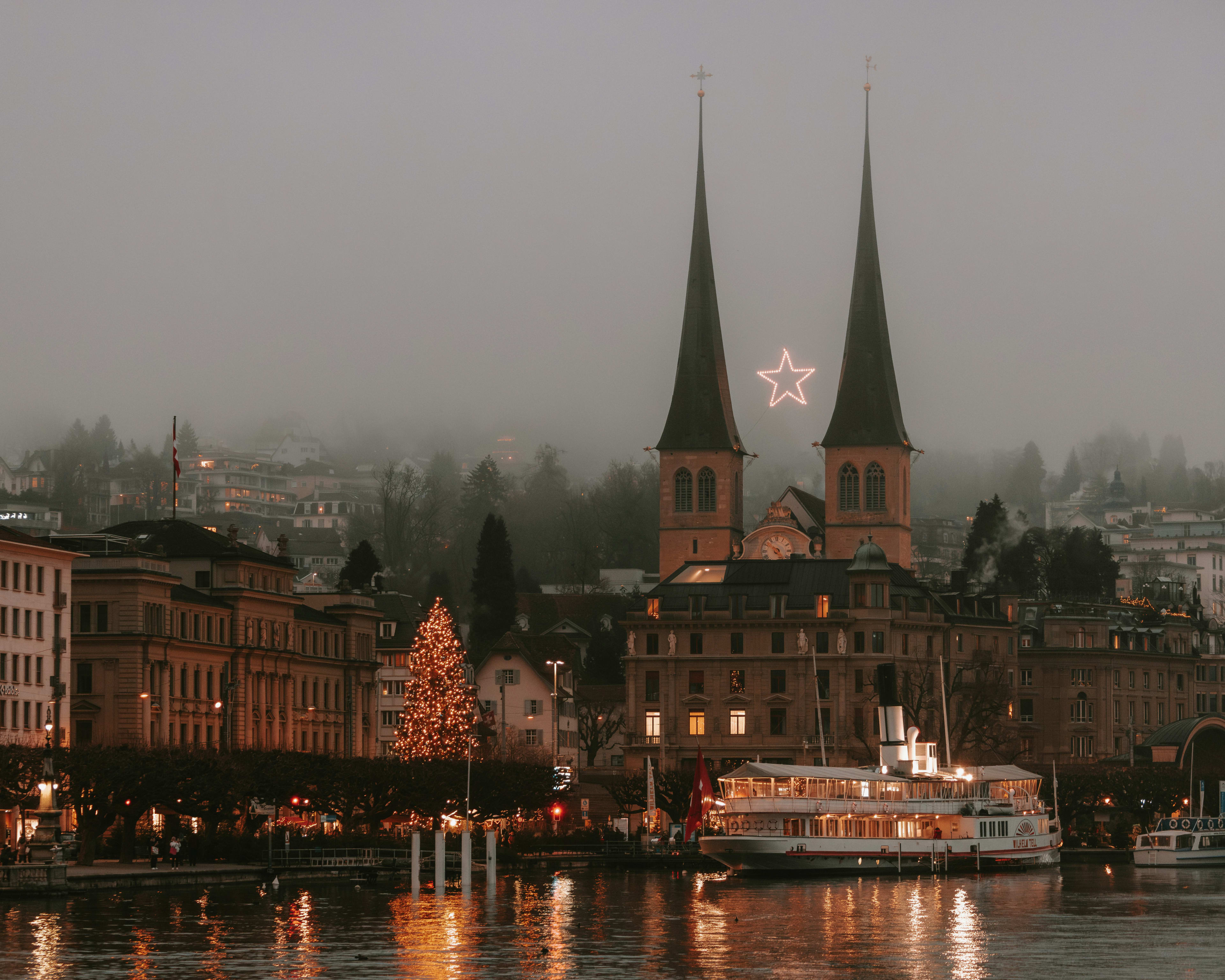
European Christmas markets transform historic town squares into winter celebrations rooted in centuries-old traditions, regional craftsmanship, and seasonal gastronomy. Germany’s historic cities and towns, from Dresden to Nuremberg, lay the foundation with classic timber chalets, handcrafted wooden folk art, and warm Glühwein. Imperial capitals like Vienna and Prague add fairy-tale backdrops, backdrop light displays, and open-air ice rinks. The Rhine River weaves a scenic trail of illuminated medieval old towns stretching from Amsterdam to Strasbourg and Basel. Further north, Nordic celebrations bring cozy hygge culture to life along historic canals, cobblestone squares, and snow-dusted open-air museums below the Northern Lights.
Whether you are sipping steaming mulled wine beneath Gothic cathedral spires, browsing artisan stalls for handmade ornaments, or tasting regional holiday pastries, read on to discover the markets, foods, and traditions that make Christmas in Europe unforgettable.
Need to know
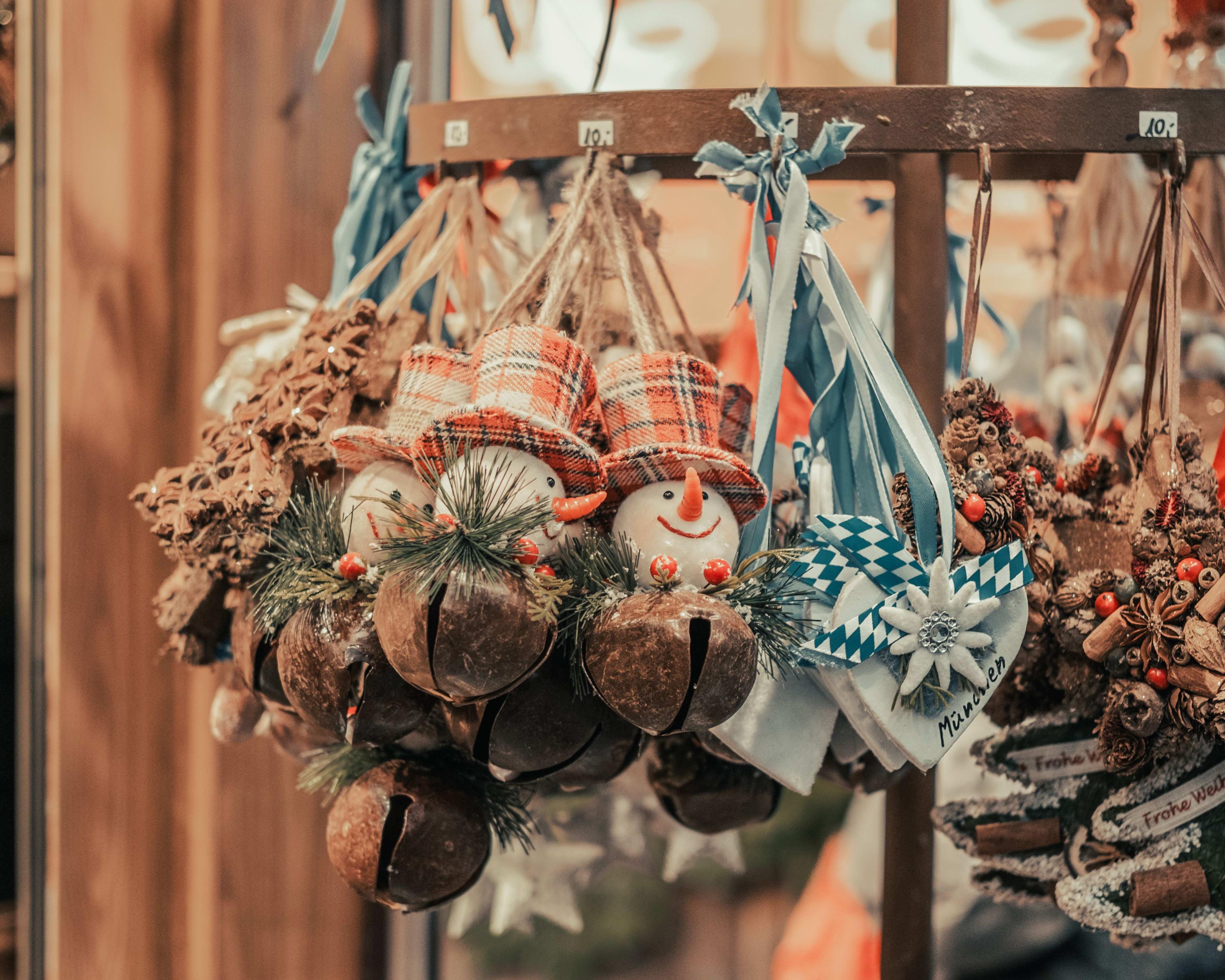
Christmas markets aren’t interchangeable: Nuremberg emphasizes traditional crafts, Strasbourg leans French/Alsatian, Vienna is grand and atmospheric, and smaller towns can feel more local. Knowing the experience you want, how to navigate peak crowds, and knowing the short opening windows will help ensure your trip runs smoothly.
Currency
Visiting Europe’s Christmas markets may require managing multiple currencies, depending on your itinerary. Many countries use the euro (EUR), but others (like Switzerland, the Czech Republic, and Denmark) use their own currency. Card and contactless payments may be accepted at larger locations, but cash remains essential for most markets.
Transportation
Europe’s cross-border rail network is the most efficient way to hop between Christmas markets, with high-speed routes and overnight sleeper trains connecting major cities. Within cities, public transit, taxis, and walking are reliable ways to get around, though rideshares can be limited in smaller towns. Renting a car offers flexibility, but parking can be scarce, expensive, and far from markets.
Best time to visit
The ideal window to visit European Christmas markets runs from late November through New Years, but smaller, atmospheric village markets may only operate for a few brief weeks in early to mid December. Friday evenings through Sundays are peak times, but weekday afternoons are the sweet spot. Keep in mind that many markets shut down completely on Christmas Eve.
Ideal length of stay
A long weekend works well for exploring a single city’s markets, with two to three nights per is best. Exploring a multi-city region can be done in seven to 10 days without feeling rushed.
What to wear
Packing for European Christmas markets requires preparing for cold, damp weather, making smart layering your best strategy. Start with a moisture-wicking or thermal base layer, add insulating mid-layers like fleece or cashmere, and cap it with a heavy, weather-resistant coat equipped with a hood. Add in cold-weather accessories like a hat, scarf, and gloves, and complete the look with comfortable, waterproof shoes or boots.
Travel tips
- Public toilets: Keep coins handy; attendants or automated turnstiles are common. Locations also aren’t always obvious.
- Accessibility: Most markets emphasize standing tables rather than dedicated seating. Muddy grounds and shoulder-to-shoulder crowds can be tough to move in.
- Trash: Bins can be surprisingly limited, so don’t assume you’ll immediately find somewhere to dispose of food containers. Don’t litter, carry it til you find one or ask.
- Safety: Pickpockets love crowded areas, so be sure to carry a small crossbody or front-facing backpack versus a handbag or shopping tote.
Central Europe
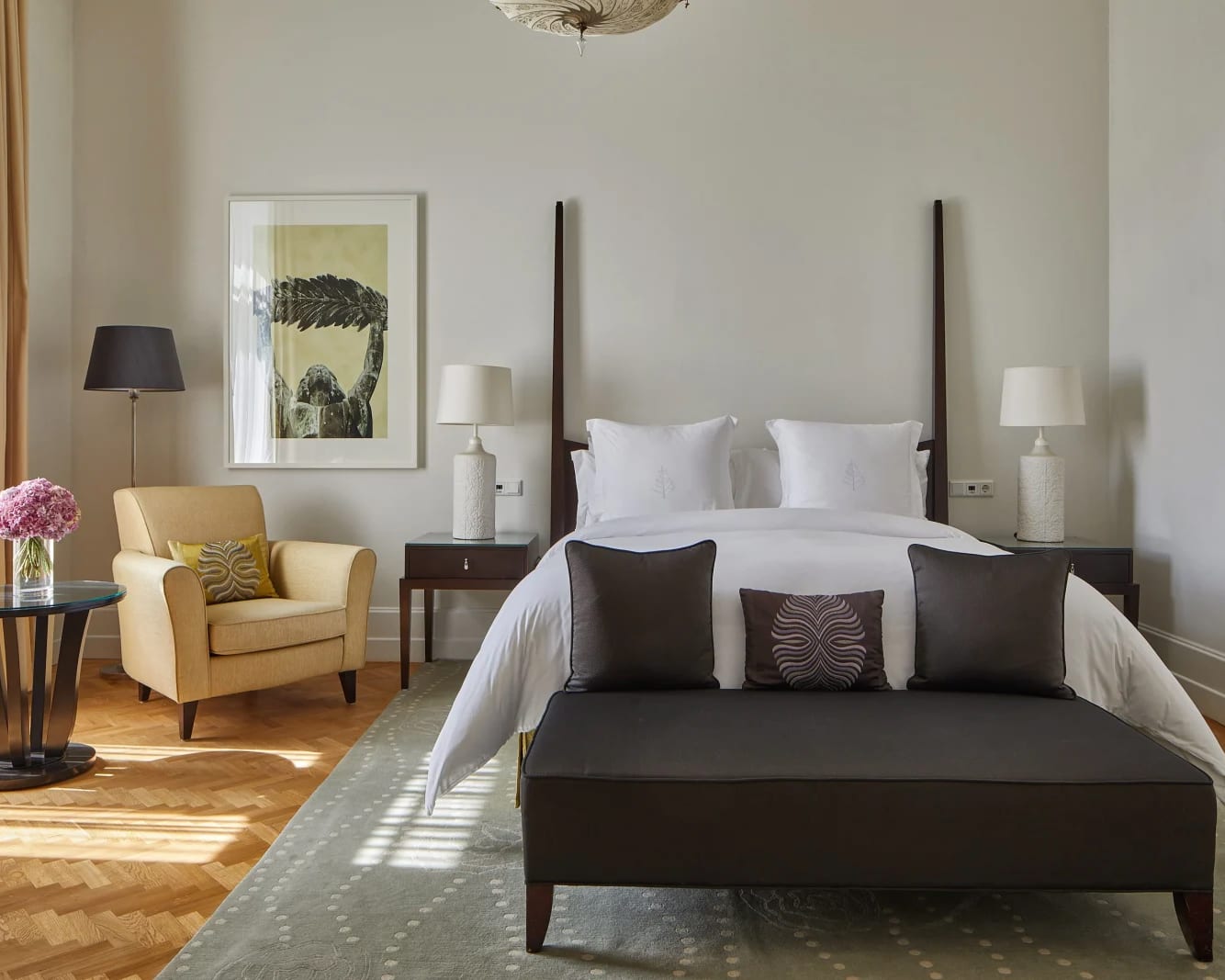
Image courtesy of Four Seasons Gresham Palace
Centuries-old squares transform into festive, light-filled hubs across Central Europe.
In Germany, Dresden’s Striezelmarkt—dating back to 1434—is anchored by a massive wooden Christmas pyramid and traditional Stollen pastry, while Nuremberg’s Christkindlesmarkt retains a strictly traditional footprint of red-and-white canvas stalls famous for gingerbread and bratwurst.
Further east, Vienna’s imperial backdrop frames a network of markets, most notably the Rathausplatz Christkindlmarkt set against the illuminated City Hall. Prague concentrates its holiday energy around Old Town Square, where a massive Christmas tree and Gothic Týn Church towers overlook wooden huts serving trdelník pastries and hot spiced wine. Budapest hosts dual celebrations at Vörösmarty Square and in front of St. Stephen’s Basilica, where light projections on the church façade complement stalls selling lángos (a deep-fried flatbread) and Hungarian handicrafts.
Where to stay
Hotel Taschenbergpalais Kempinski Dresden: Built in the 18th century, this grand palace balances regal baroque architecture with polished, modern luxury, featuring an indoor pool, a central courtyard that transforms into a festive ice rink in winter, and a prime central location.
- Perks include a $100 food and beverage credit, daily breakfast, an upgrade, and extended check-in/out whenever possible.
Hotel Sacher Wien: This family-owned luxury icon pairs 19th-century gilded grandeur with museum-grade art collections. Guests can indulge in high tea at the original Café Sacher, home to the Original Sacher-Torte, making it an ideal festive retreat in the heart of Vienna.
- Perks include a $100 hotel credit, daily breakfast, an upgrade, and extended check-in/out whenever possible.
Rosewood Vienna: This refined property blends neoclassical grandeur with sleek, tailored modernity. Rooms feature custom Austrian textiles and high-end finishes, while the rooftop bar offers sprawling views over St. Stephen’s Cathedral and the surrounding streets.
- Perks include a $100 hotel credit, daily breakfast, welcome amenity, an upgrade, and extended check-in/out whenever possible.
Almanac X Alcron Prague: Operating in a legendary 1932 Art Deco building, this boutique stay pairs historic jazz-age pedigree with a vibrant plant-forward restaurant, chic rooms, and a central location convenient for exploring Old Town.
- Perks include daily breakfast, access to gym & sauna facilities, an upgrade, and extended check-in whenever possible.
Andaz Prague: Set within the historic Sugar Palace, artful interior design, generous room layouts, high ceilings, and a serene spa are complemented by an active lobby bar and a prime location within walking distance of the Old Town Square Christmas Market.
- Perks include a $100 food and beverage credit, daily breakfast, welcome amenities, an upgrade, and extended check-in/out whenever possible.
Four Seasons Gresham Palace (Budapest): This restored Art Deco masterpiece on the Pest side of the river features soaring stained-glass windows, intricate ironwork, a peacock-adorned lobby, and river-facing suites in the heart of the city.
- Perks include a $100 hotel credit, daily breakfast, an upgrade, and extended check-in/out whenever possible.
Kimpton BEM Budapest: Located on the quieter Buda side of the river, this 19th-century neo-Renaissance mansion has been reimagined with bold color palettes, playful botanical motifs, and a serene glass-roof atrium that create a fresh, boutique vibe.
- Perks include a $100 hotel credit, daily breakfast, welcome amenity, an upgrade, and extended check-in/out whenever possible.
Rhine River corridor
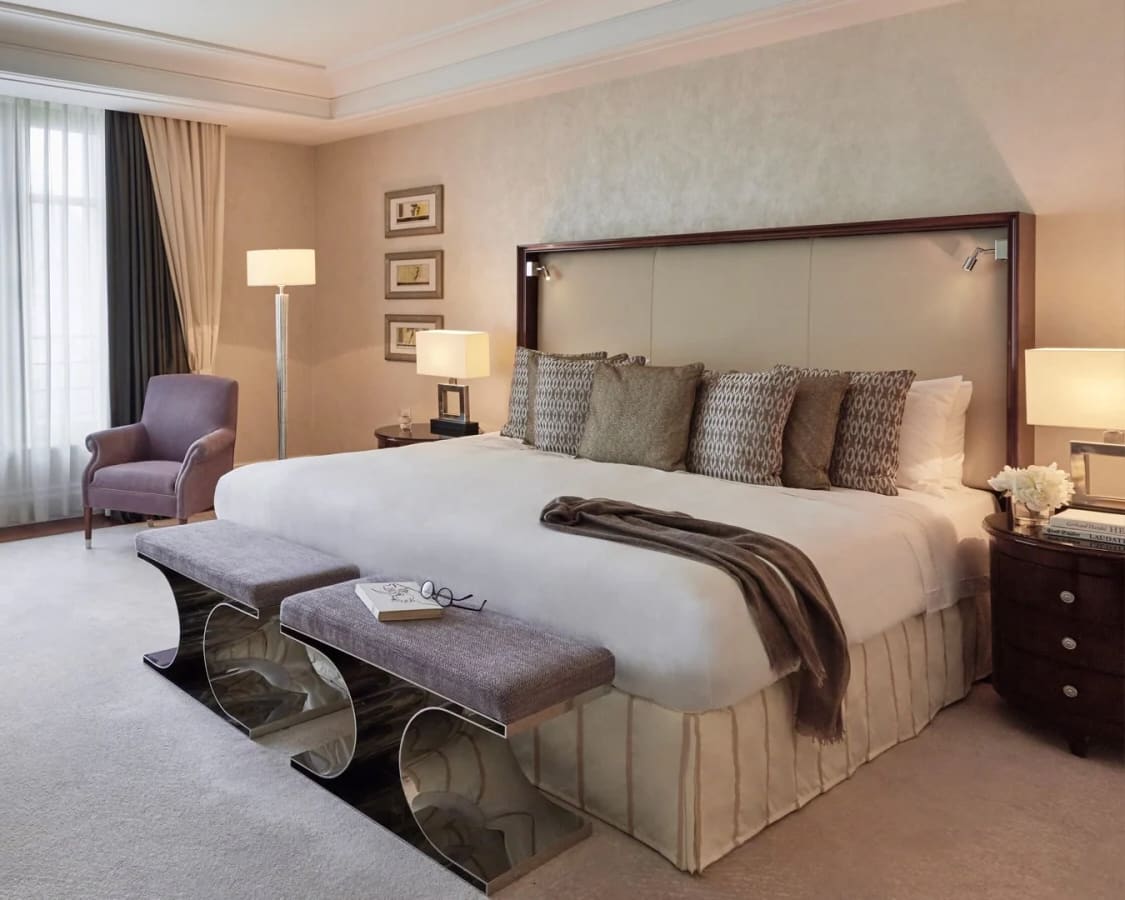
Image courtesy of Breidenbacher Hof
The Rhine River region weaves together a dense corridor of storybook markets across four countries.
In the north, Amsterdam infuses its seasonal markets with ice skating along historic canals. A day trip to Brussels showcases the sprawling Winter Wonders festival, stretching from the illuminated Grand Place across the city center.
Strasbourg anchors the French stretch as the self-proclaimed “Capital of Christmas,” where the ancient Christkindelsmärik wraps around the towering Gothic cathedral and the historic timber-framed houses. Nearby Colmar offers a more intimate Alsatian counterpoint with light-strewn canals winding past preserved Renaissance squares.
In Germany, Cologne hosts multiple thematic markets headlined by the massive display beneath its landmark cathedral. Neighboring Düsseldorf spreads its stalls across distinct shopping districts.
Downstream in Switzerland, Basel’s old town hosts celebrations at Barfüsserplatz and Münsterplatz beside the Rhine, complemented by a sparkling indoor market in Zurich housed within its main railway station.
Where to stay
INK Hotel Amsterdam – MGallery: This lifestyle hotel infuses journalistic motifs and printing-press history into its modern interior design. It features brass accents, custom map murals, and a lively courtyard restaurant, right in the heart of Amsterdam near Dam Square.
- Perks include a $100 hotel credit, daily breakfast, an upgrade, and extended check-in/out whenever possible.
Mandarin Oriental Conservatorium, Amsterdam: This luxury landmark seamlessly blends Neo-Gothic architecture with a striking glass-enclosed atrium. Home to a sprawling underground spa, high-end dining, and refined modern suites for a sophisticated retreat.
- Perks include a $100 hotel credit, daily breakfast, welcome amenity, an upgrade, and extended check-in/out whenever possible.
Sofitel Legend The Grand Amsterdam: Occupying a waterfront canal site that has served as a 15th-century convent, royal lodgings, and Amsterdam’s city hall, this storied property offers elegant French-inflected interiors, a private inner courtyard garden, and an underground spa.
- Perks include a $100 hotel credit, daily breakfast, an upgrade, and extended check-in/out whenever possible.
Rocco Forte Hotel Amigo (Brussels): This refined hotel showcases a rich collection of Belgian art, classic European elegance, and polished service that make it the premier luxury address for exploring the city’s surrounding Winter Wonders festivities.
- Perks include a $100 food and beverage credit, daily breakfast, an upgrade, and extended check-in/out whenever possible.
Breidenbacher Hof (Düsseldorf): Behind its classic façade lies lavish, traditional guest rooms, private butler service, an indoor pool, and a refined cigar lounge, placing guests at the doorstep of Düsseldorf’s luxury boutiques and festive market squares.
- Perks include a $100 food and beverage credit, daily breakfast, an upgrade, and extended check-in/out whenever possible.
The Dolder Grand (Zurich): Set high on the Adlisberg hill overlooking Zurich, this retreat combines a massive world-class spa, an extensive private art collection, and a two-Michelin-starred restaurant, all connected to the city center via its own funicular.
- Perks include a $100 hotel credit, daily breakfast, an upgrade, and extended check-in/out whenever possible.
The Nordics
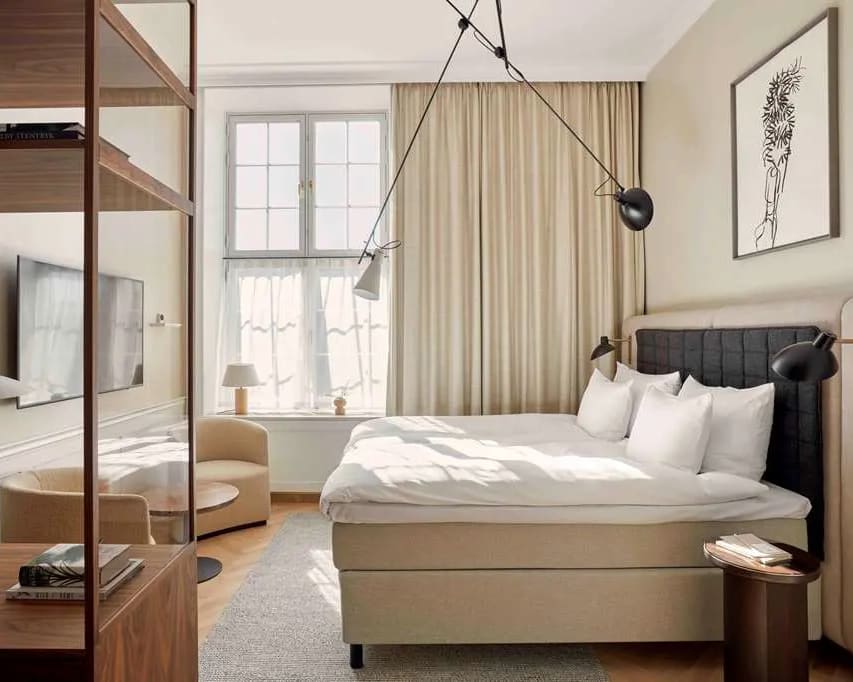
Image courtesy of Villa Copenhagen
The Nordics deliver a distinctly atmospheric, design-forward take on the holiday season, trading sprawling urban market layouts for candlelit coziness.
In Denmark, Copenhagen transforms Tivoli Gardens into a fairy-tale wonderland of sparkling lights, wooden chalets, and vintage rides. Oslo anchors Norway’s celebrations with its waterfront Jul i Vinterland market featuring an open-air ice rink and ferris wheel. Sweden offers a study in contrasts: Stockholm’s Gamla Stan market fills the narrow medieval lanes of Stortorget with stalls selling glögg (mulled wine) and pepparkakor (ginger cookies), while the nearby open-air museum at Skansen recreates historic 19th-century Swedish Christmas traditions.
In Finland, Helsinki’s St. Thomas Market brings local artisans and a central vintage carousel to the foot of the glowing Senate Square Cathedral. The nearby wooden old town of Porvoo provides an easy, historic day-trip counterpoint. For the ultimate winter destination, Finnish Lapland’s Santa Claus Village in Rovaniemi sits directly on the Arctic Circle, offering reindeer sleigh rides, snowy pine forests, a festive post office under the Northern Lights, and visits with Saint Nick himself.
Where to stay
Villa Copenhagen: Housed in the century-old former headquarters of the Danish Post and Telegraph office, this retreat balances grand historic architecture with modern Scandinavian design across its onsite bakery, lively public social spaces, and year-round heated rooftop pool.
- Perks include a $100 food and beverage credit, daily breakfast, an upgrade, and extended check-in/out whenever possible.
Hotel d’Angleterre Copenhagen: This historic 1755 palace that’s world-famous for its elaborate annual winter facade light displays. The property pairs classic architecture, Michelin-starred dining, and a serene spa within walking distance of Nyhavn.
- Perks include a $100 food and beverage credit, daily breakfast, an upgrade, and extended check-in/out whenever possible.
The Thief (Oslo): This striking design-led waterfront hotel doubles as a contemporary art museum with curated original works throughout. Bold interiors, a full-service spa, and access to the neighboring Astrup Fearnley Museum make it a top address for design enthusiasts.
- Perks include a $100 hotel credit, daily breakfast, welcome amenity, an upgrade, and priority check-in/out whenever possible.
Amerikalinjen (Oslo): Set within the restored 1919 headquarters of the Norwegian America Line cruise company, this vibrant property features a lively underground jazz club, a bustling cocktail venue, and a glass-encased garden courtyard.
- Perks include a $100 hotel credit, daily breakfast, welcome amenity, an upgrade, and priority check-in/out whenever possible.
RUNO Hotel Porvoo: This rustic-chic boutique hotel translates traditional Finnish heritage through modern design. Warm wooden accents, an attic sauna, and a locally focused kitchen offer a serene, design-forward getaway just an hour from Helsinki.
Santa Claus Holiday Village (Lapland): Positioned directly on the Arctic Circle in Rovaniemi, this expansive resort features cozy private cabins equipped with individual saunas and kitchenette facilities steps from Christmas-themed attractions and Arctic excursions.
Cruising to European Christmas Markets
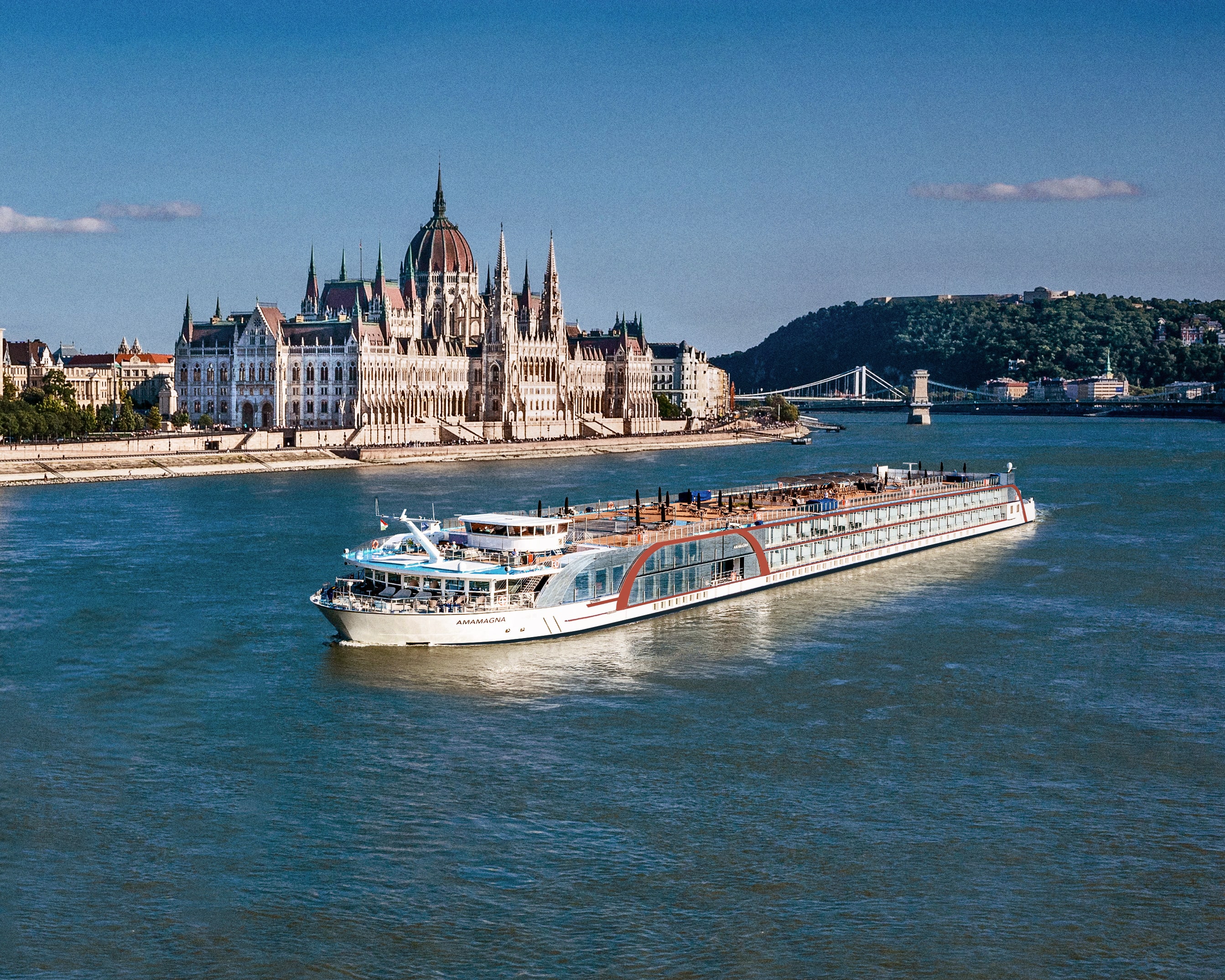
Image courtesy of AmaWaterways
European Christmas market cruises are a staple seasonal offering across major river lines. Built around low-stress travel between festive Old Town centers, these voyages let travelers explore multiple winter markets across Europe in a single journey.
The Rhine River route between Amsterdam and Basel remains the benchmark itinerary, connecting heavyweight markets like Strasbourg, Cologne, and Heidelberg. On the Danube—typically running between Budapest and Nuremberg or Regensburg—sailings highlight imperial backdrops like Vienna and Bratislava alongside classic Bavarian traditions.
Cruises along the Main and Moselle rivers offer a quieter, off-the-beaten-path alternative, visit destinations like Trier, Cochem, Bamberg, and Würzburg. Often packaged as trans-continental routes between Paris and Prague, these smaller waterways trade massive city squares for intimate, half-timbered medieval villages lit for the holidays.
Notable cruise lines
AmaWaterways: Custom-designed vessels feature signature twin-balcony staterooms, a strong focus on wellness, guided biking and hiking excursions, and regionally inspired, wine-focused dining that creates an active yet refined river cruise environment.
- Perks include up to $250 shipboard credit per stateroom.
Viking River Cruises: Iconic, Scandinavian-designed Longships showcase clean, modern aesthetics and floor-to-ceiling windows. The adults-only line emphasizes destination-focused cultural enrichment with included shore excursions in every port.
- Perks include up to $200 onboard credit per stateroom on select sailings.
Uniworld Boutique River Cruises: Uniworld crafts custom-designed “floating boutique hotels”—where no two ships or suites look alike—with lavish, art-filled interiors, farm-to-table cuisine, and highly personalized service on Europe’s premier rivers.
- Perks include up to $300 shipboard credit per stateroom.
Celebrity River Cruises: This new river line brings contemporary luxury, open-deck infinity pools, and signature Celebrity Cruises venues like the Sunset Bar and Café al Bacio to European waterways, bridging mainstream ocean cruising with boutique river travel.
- Perks include up to $200 onboard credit per stateroom on select sailings.
Tauck: Renowned for its ultra-inclusive, high-end river journeys offering spacious suites, dedicated directors leading every departure, exclusive land experiences, and all-inclusive pricing make it a top choice with nearly a century of tour-operating experience.
European Christmas Market history and culture
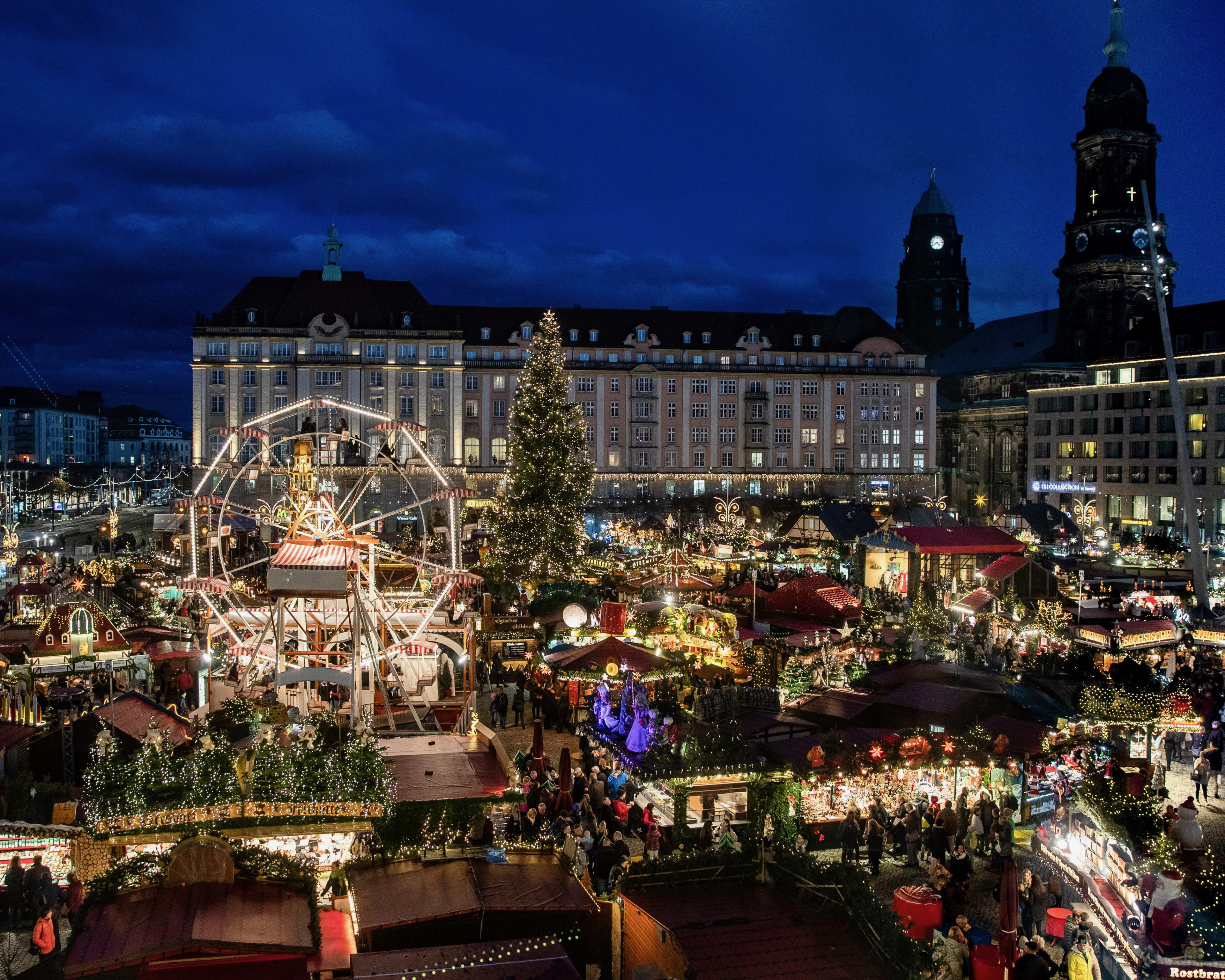
Europe’s Christmas markets trace their origins to late-medieval winter open-air markets, where townsfolk stocked up on meat, supplies, and cold-weather provisions before the advent season. While other markets laid the groundwork, Dresden’s Striezelmarkt—first held in 1434—is widely considered as the first Christmas market. The tradition expanded rapidly across German-speaking territories during the 16th-century Protestant Reformation, helping reshape traditions and gift-giving customs in German-speaking regions.
What has endured across centuries is a winter ritual anchored in regional craftsmanship, seasonal gastronomy, and civic pride. The markets evolved from functional trade hubs into distinct cultural celebrations, with each region preserving its own identity through local specialties. Today, these markets span thousands of towns, balancing centuries-old traditions with modern holiday tourism while remaining central to Europe’s winter social fabric.
Signature food and drinks
- Bratwurst: Seasoned pork, beef, or veal sausages seared over open-flame grills, served inside a crusty bread roll with sharp mustard or a tangy curry ketchup
- Lebkuchen: Traditional German soft gingerbread cookies packed with rich warm spices, ground nuts, and candied citrus peel
- Stollen: A dense, rich yeast bread studded with dried candied fruits, nuts, and a core of sweet almond marzipan, brushed with melted butter and a layer of powdered sugar
- Hot Chocolate: Velvety, thick European-style hot chocolate made from melted dark chocolate and rich whole milk, often topped with fresh whipped cream
- Glühwein: The quintessential market drink consisting of red or white wine simmered with cinnamon sticks, cloves, star anise, and citrus peels, served piping hot
Cultural celebrations and events
- Sinterklaas (December 5, Netherlands):The premiere winter holiday for Dutch children centers on the arrival of Sinterklaas, who leaves gifts and traditional pepernoten spiced biscuits in shoes set by the chimney.
- Black Forest Fire Events (December, Germany):Winter solstice and holiday celebrations feature fire rituals to ward off cold and darkness, ranging from torchlit hikes to massive wood bonfires like Altensteig’s Weihnachtsfackeln (Christmas Torches).
- Le Réveillon (December 24, France): Families gather for an extended, multi-course Christmas Eve feast after midnight mass, indulging in luxury delicacies such as roasted meats, champagne, and a bûche de Noël, a rich chocolate Yule log cake.
- Krampus Runs (Early December, Austria & Alpine Regions): The horned, fur-clad demonic counterpart to St. Nicholas parade through snowy mountain streets in loud processions known as Krampuslauf, rattling heavy iron bells and carrying birch twigs.
- La Befana (January 5, Italy): La Befana, a kindly soot-covered Christmas witch, fills well-behaved kids’ stockings with candies, fruit, and small toys, while those who have misbehaved find dark lump-shaped candy made to look like coal.
Popular European Christmas Markets
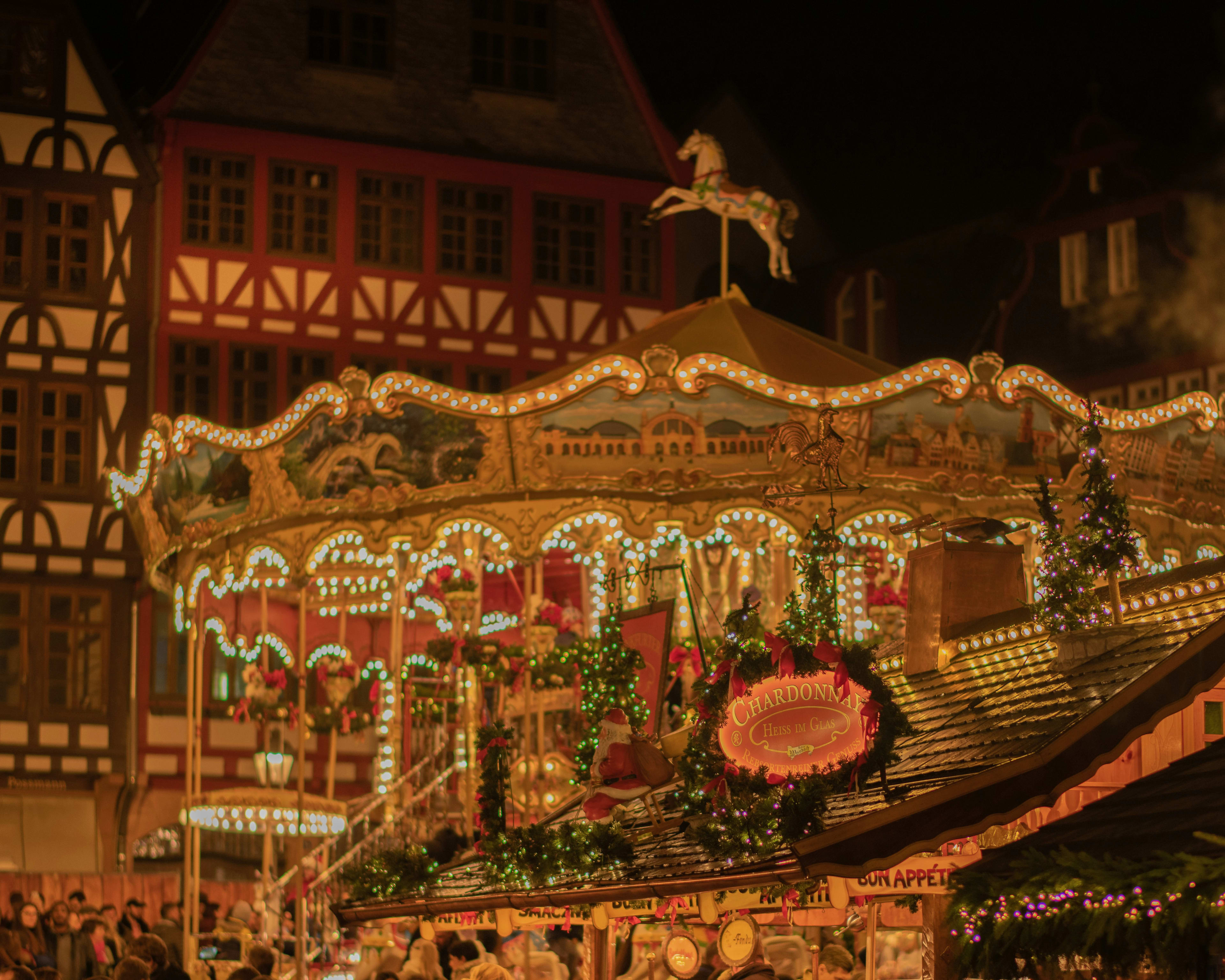
From centuries-old Bavarian squares to glowing cathedral plazas, Europe’s most legendary Christmas markets showcase rich winter heritage and festive charm.
Central Europe
- Dresden: Striezelmarkt anchors the region as Germany’s oldest Christmas market, running continuously since 1434 with traditional craft vendors, live glassblowing, and bakers turning out authentic Dresden Stollen.
- Nuremberg: The historic Christkindlesmarkt fills the central Hauptmarkt square with wooden chalets draped in red-and-white canvas selling iconic Rauschgoldengel (gold-foil angels), handcrafted wooden toys, and regional spiced gingerbread.
- Vienna: The imperial city’s flagship Christkindlmarkt transforms Rathausplatz with elaborate light displays, a sprawling ice-skating trail winding through the park trees, and artisan stalls selling hand-blown glass ornaments.
- Prague: Old Town Square hosts the city’s main market around a soaring Christmas tree, a raised viewing bridge, daily carolers, and open-flame grills turning out classic pastries. A short walk away, Wenceslas Square adds a second market with live blacksmithing, an ice-skating rink, and festive light installations.
- Budapest: The Advent Feast at St. Stephen’s Basilica features a vibrant light-projection show, an ice rink encircling a central tree, and over 100 craft vendors. Nearby Vörösmarty Square offers a more traditional, intimate counterpoint focused on Hungarian folk arts and regional street food.
Rhine River corridor
- Amsterdam: Christmas Village transforms Museumplein into the city’s most picturesque winter venue, setting an outdoor ice-skating rink and festive market chalets directly against the backdrop of the Rijksmuseum.
- Brussels: The annual Winter Wonders festival encompasses over 200 wooden chalets across the city center. Its focal point is the Grand-Place, featuring a massive Christmas tree and a 3D sound-and-light show projected onto the surrounding Guildhouses.
- Cologne: The Cathedral Christmas Market sits directly beneath the soaring twin spires of the city’s UNESCO-listed Gothic cathedral, centered around an illuminated tree, an entertainment stage, and more than 100 wooden vendor huts.
- Strasbourg: The self-proclaimed “Capital of Christmas” hosts around 300 wooden chalets across its old town.
- Colmar: The fairytale village transforms into six distinct, interconnected markets winding through the preserved medieval timbered buildings and historic canals.
- Basel: Basel’s holiday market spans two main Old Town squares—Barfüsserplatz and Münsterplatz—running from late November through late December.
The Nordics
- Copenhagen: Tivoli Gardens transforms the world’s second-oldest amusement park into a glowing winter wonderland, complete with snow-dusted alpine houses, light displays, and handicraft stalls. Nearby, you’ll find small wooden huts lining the colorful 17th-century canal at Nyhavn, a large, traditional market between Gammeltorv and Nytorv, and the Hans Christian Andersen Market for a family-friendly, fairytale motif.
- Oslo: Jul i Vinterland features a Ferris wheel, an open-air ice rink, carnival rides, and stalls selling mulled wine. For a historical setting, the Norwegian Museum of Cultural History’s weekend market hosts historic farmsteads and traditional folk activities.
- Stockholm: Skansen’s open-air museum holds Sweden’s oldest Christmas market with craft demonstrations, traditional dancing, and historic 19th-century homesteads.
- Porvoo: The Old Town Hall Square market offers a historic Finnish holiday experience just an hour outside Helsinki, where vendors in period clothing sell handmade decorations, regional textiles, and traditional foods.
- Lapland: Santa Claus Village in Rovaniemi straddles the Arctic Circle year-round, expanding in winter with reindeer sleigh rides, husky safari excursions, Santa’s official post office, and prime viewing spots for the Northern Lights.
Trips to add on
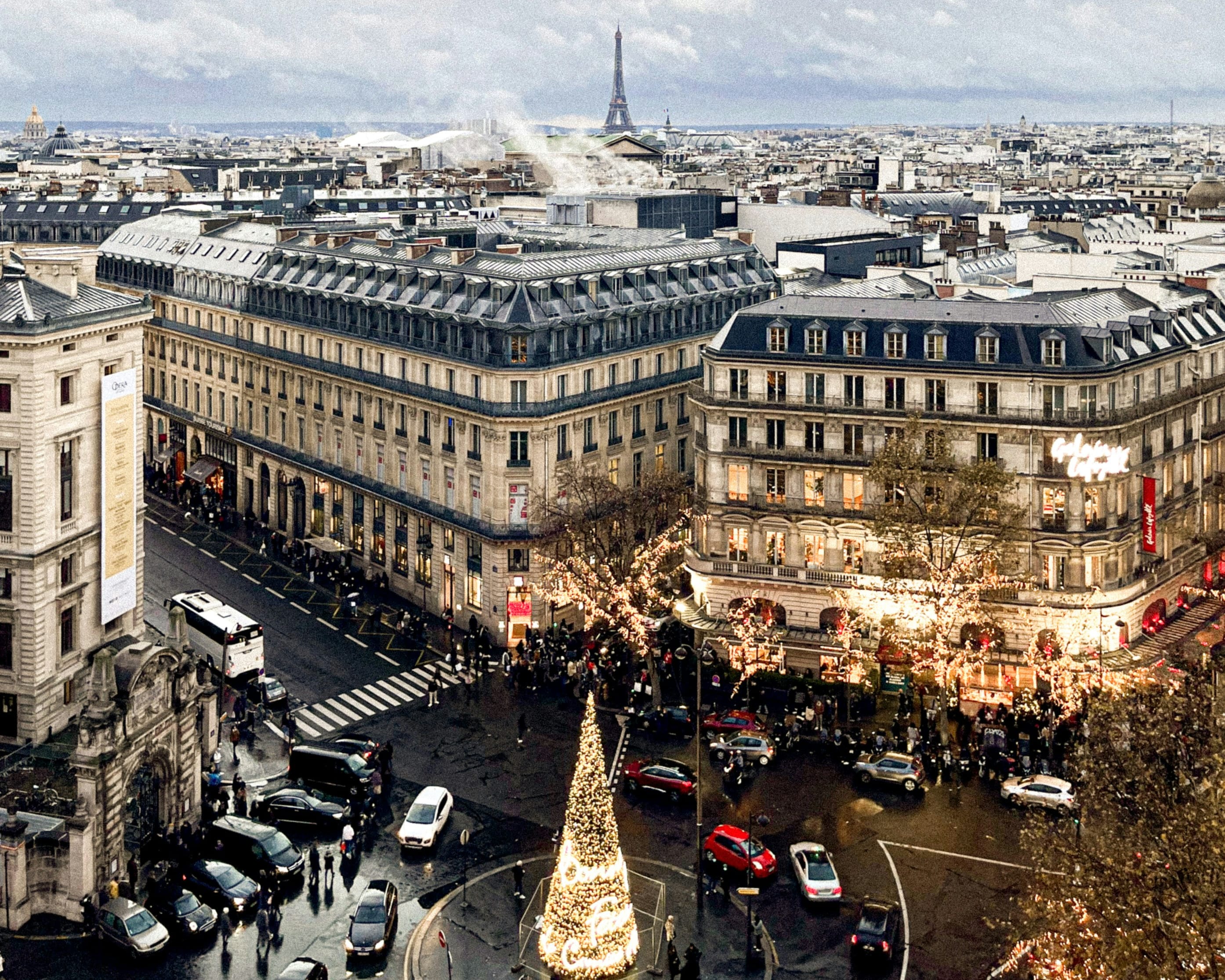
Beyond the major river cruise routes and classic Central European hubs, holiday markets across the continent offer rich cultural traditions, regional gastronomy, and historic settings.
Esslingen (15-minute train from Stuttgart): The historic Esslingen Medieval Market offers an atmospheric step back in time, setting costumed merchants and traditional artisan workshops amidst preserved half-timbered merchant houses.
Mainz (35-minute train from Frankfurt): Set beneath the towering 1,000-year-old St. Martin’s Cathedral, this historic market features a 36-foot-tall wooden Christmas pyramid, hand-carved nativity scenes, and regional wines.
Frankfurt (1-hour train from Cologne): Christmas transforms the historic Römerberg cobblestone square with wooden stalls that stretch toward Paulsplatz and the main shopping avenues, serving traditional marzipan pastries, hot apple wine, and regional crafts beneath a massive central holiday tree.
Kraków (1-hour flight from Budapest or Prague): Set within Rynek Główny, the medieval town square, with stalls showcasing regional Polish crafts like hand-painted glass baubles and wooden carvings, accompanied by open-air cauldrons of hot barszcz soup, sizzling oscypek smoked cheese, and live performance stages featuring folk dancers and traditional caroling.
Munich (1-hour train from Nuremberg): Unfolding across Marienplatz before the neo-Gothic New Town Hall, this Bavarian market features alpine chalets, traditional Stubenmusik performances, and the dramatic Krampuslauf parade of costumed Alpine devils.
Stuttgart (1-hour train from Strasbourg): One of Germany’s largest and oldest holiday markets, featuring nearly 300 intricately decorated wooden chalets across historic cobblestone squares.
Rothenburg ob der Tauber (1.5-hour train from Nuremberg): This preserved, double-walled medieval town offers a storybook holiday experience, featuring the historic Reiterlesmarkt, winding cobblestone alleys, and the famous year-round Christmas Museum.
Breitnau (1.5-hour train from Basel: Tucked dramatically beneath a soaring stone railway viaduct in the Black Forest, the Höllental market provides a unique alpine atmosphere requiring advance timed-entry tickets.
Bolzano (1.5-hour flight to Prague, Dresden, or Düsseldorf): One of Italy’s largest and oldest Christmas markets anchors the South Tyrol region, setting alpine chalets that merge Germanic winter customs with Mediterranean flair, and sell wooden toys, Zelten fruitcake, and hot mulled wine.
Paris (1.5-hour train from Brussels or 2-hour train from Strasbourg): The French capital weaves festive markets throughout its historic neighborhoods, led by the expansive market at the Tuileries Garden featuring alpine chalets, a carnival ferris wheel, and an ice rink. Intimate artisan stalls set up beneath Notre-Dame Cathedral and in Montmartre’s Place des Abbesses offer regional food products, while La Défense hosts a massive contemporary holiday village beneath the modern Grande Arche.
Berlin (1.5–2 hour train from Dresden): Spread across more than 80 seasonal markets, the German capital presents everything from the historic Gendarmenmarkt to the romantic light-filled grounds of Charlottenburg Palace. A massive ferris wheel and ice-skating rink near the Neptune Fountain at the Rotes Rathaus, while thematic neighborhoods feature medieval crafts and holiday villages.
Tallinn (2-hour ferry from Helsinki): Centered in the medieval Town Hall Square, this fairy-tale market erects cozy wooden huts around the historic pine, selling hand-knitted woolen goods, carved wooden crafts, and traditional Estonian winter dishes like roasted pork, sauerkraut, and blood sausage.
Other Festive Experiences Across Europe
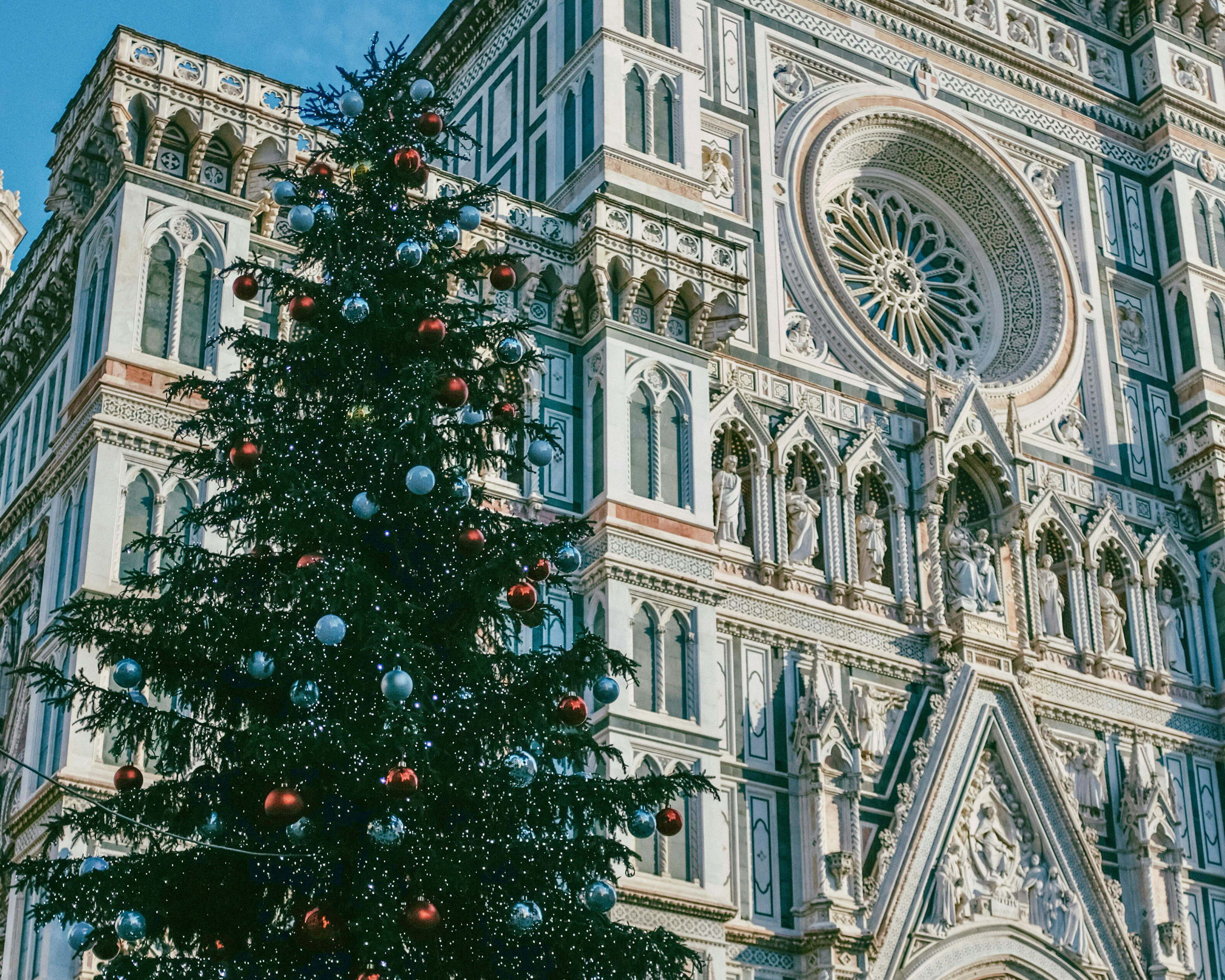
These cities across Europe offer rich seasonal celebrations, winter illuminations, and centuries-old holiday traditions outside of classic Christmas market plazas.
Milan and Lake Como: Winter along the northern lakes pairs festive city lights in Milan with lakeside retreats; Villa d’Este on Lake Como opens for the holiday season, offering grand gala dinners, seasonal wellness programs, and twinkling garden light displays along the water.
Florence: The city marks the Epiphany on January 6 with the Cavalcata dei Magi, a Renaissance procession through the historic center featuring costumed figures on horseback, best paired with a stay at Villa San Michele, A Belmond Hotel, for festive workshops and dining.
Rome: Piazza Navona transforms into a historic holiday destination culminating on Epiphany morning with street performers, puppet theaters, and the arrival of La Befana distributing gifts and sweets to children throughout the historic square.
Innsbruck: LUMAGICA Innsbruck transforms the grounds of the 15th-century imperial Hofgarten from mid-November through January into an open-air light art gallery featuring glowing animal sculptures and interactive musical projections.
Edinburgh: Scotland’s capital rings in the New Year with Hogmanay, a multi-day celebration spanning December 31 through January 2 with torchlight processions, street parties, traditional caroling, and midnight fireworks beneath Edinburgh Castle.
Ready to swap your to-do list for a mug of glühwein?
Whether you fancy a weekend in Vienna or want to string a few Christmas markets together by train, WeGalavant will find you somewhere gorgeous to stay and pull the whole festive escape together.


BEST THE JOURNAL
of
European Christmas markets transform historic town squares into winter celebrations rooted in centuries-old traditions, regional craftsmanship, and seasonal gastronomy. Germany’s historic cities and towns, from Dresden to Nuremberg, lay the foundation with classic timber chalets, handcrafted wooden folk art, and warm Glühwein. Imperial capitals like Vienna and Prague add fairy-tale backdrops, backdrop light displays, and […]
Beyond the well-known shores of Bali, Indonesia is made up of a vast tapestry of distinct regional identities, untamed nature, spiritual traditions, and vibrant local life across thousands of volcanic islands. Java pulls travelers into its cultural core with towering 9th-century stone monuments, active volcanic peaks like Mount Bromo, and the artistic heritage of Yogyakarta. […]


+ Show / Hide Comments
Share to: