St. Lucia: WeGalavant’s Ultimate Travel Guide to the Caribbean’s Most Seductive Island
November 5, 2026
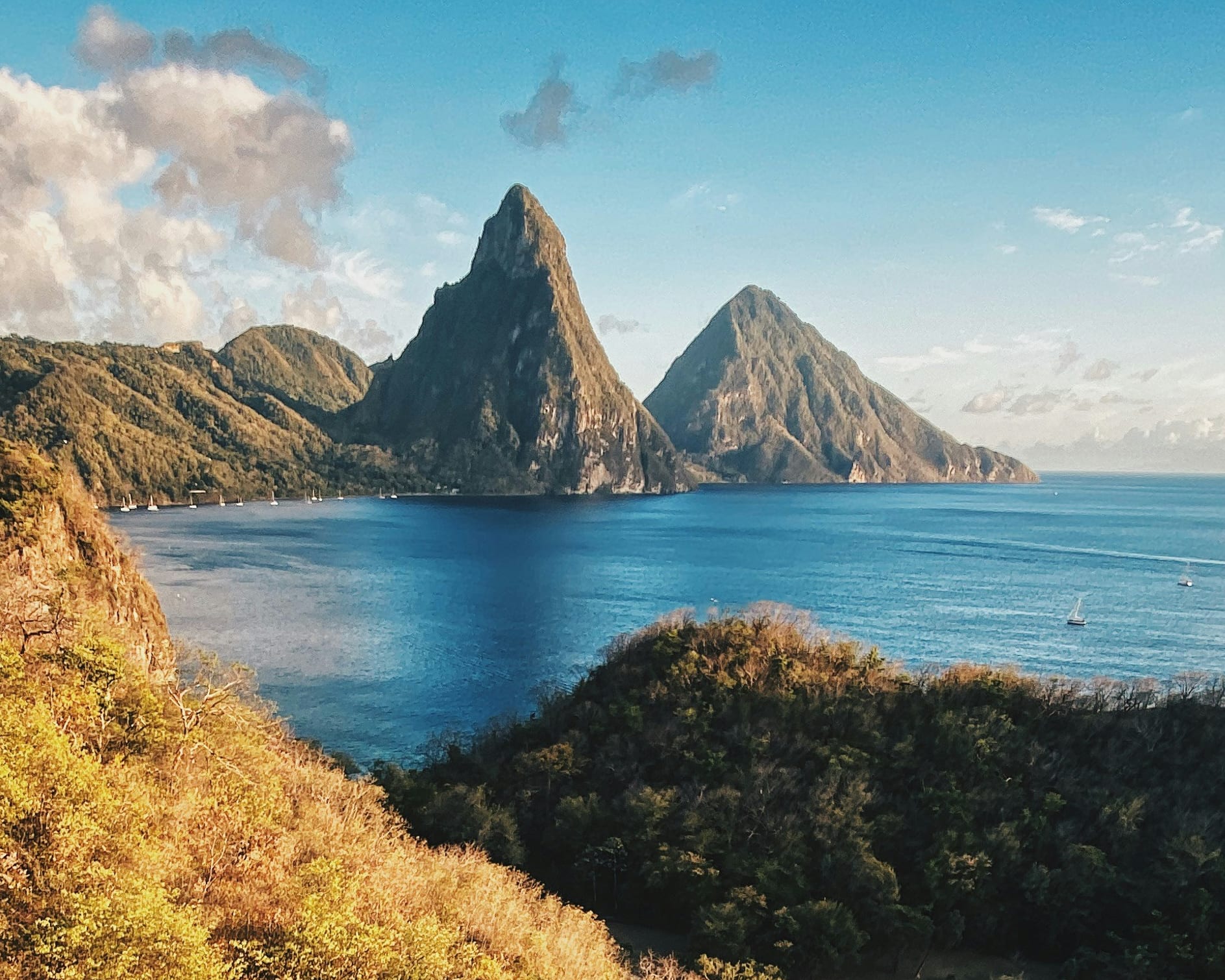
St. Lucia combines dramatic landscapes, rich Creole heritage, and laid-back coastal life into one Caribbean island. In the south, the UNESCO-listed Piton peaks rise steeply above emerald rainforests, setting the stage for mud baths at Sulphur Springs and mineral-rich waterfalls. To the north, the island shifts into a calmer rhythm of golden-sand beaches, vibrant resort towns, and historic ruins. Between rainforest zip-lines, offshore coral reefs, and bustling local markets serving fragrant Creole dishes, St. Lucia balances high-energy adventure with an unhurried, romantic escape.
Need to know
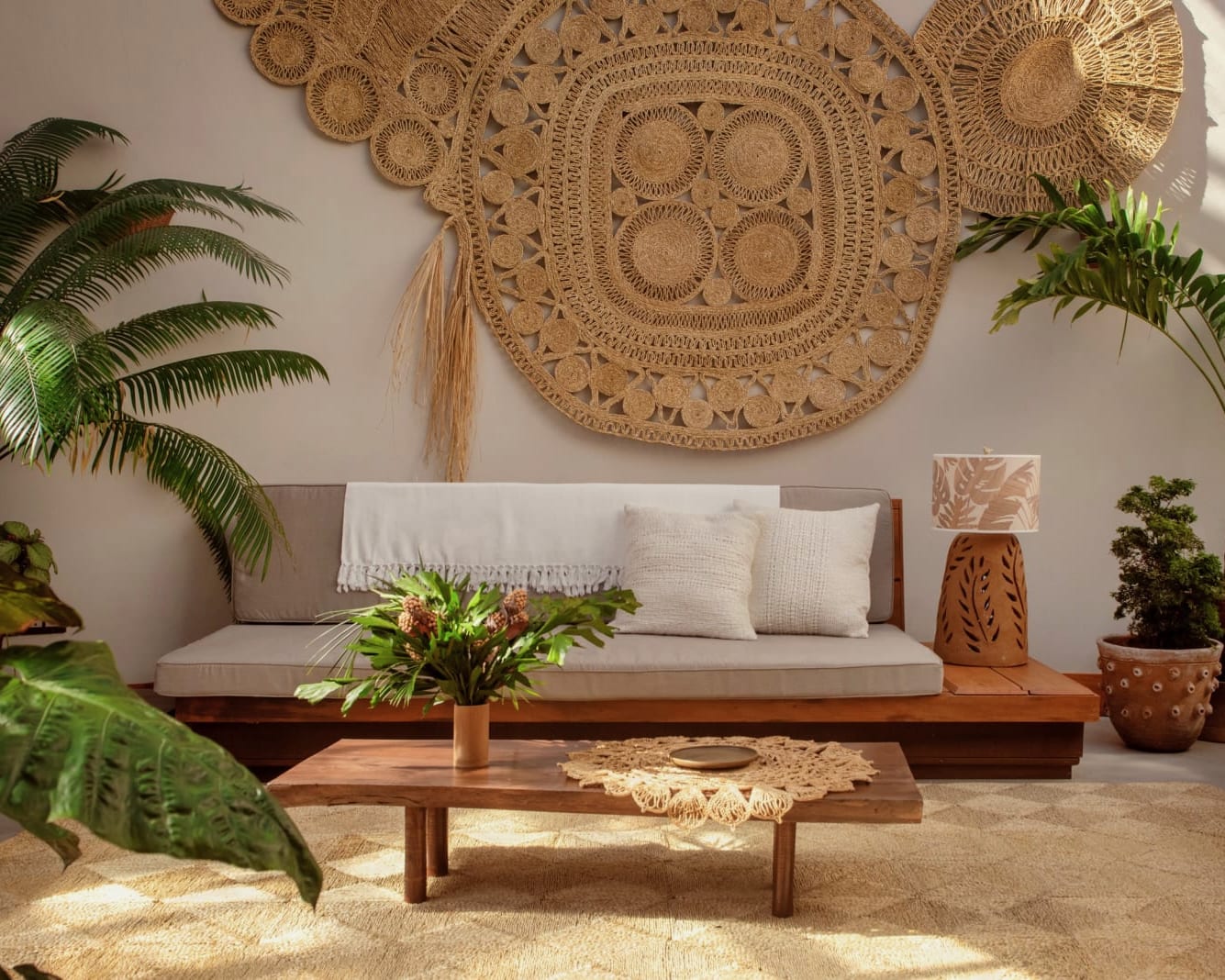
Image courtesy of Ladera Resort
Navigating St. Lucia’s dramatic terrain and distinct local rhythms requires a bit of tactical preparation before you touch down—and always remember that island time moves at its own relaxed pace.
Currency
St. Lucia uses the Eastern Caribbean Dollar (XCD), though U.S. Dollars are widely accepted in resorts, tourist spots, and taxis. Cash is essential for small local eateries, markets, and rural areas. A 10% service charge and VAT (7% on rooms, 10% on restaurant food and drink) may be added to hotel and restaurant bills, though they are sometimes already included in quoted prices. Tips of around 10–12% are customary for good service.
Languages
English is the official language of St. Lucia, but the vast majority of locals also speak Saint Lucian French Creole—referred to as Kwéyòl or Patois. While you can navigate the entire trip seamlessly in English, trying out a few local greetings is met with warmth and appreciation.
- Key phrases: bonjou (hello/good morning), bonswè (good evening), mèsi (thank you), souplé (please), kouman ou yé? (how are you?), wi/non (yes/no), mwen pa ka palé Kwéyòl (I don’t speak Kwéyòl), ès ou ka palé Anglé? (do you speak English?)
Airports
Hewanorra International Airport (UVF) sees direct year-round connections to cities like Miami, New York, Toronto, and London.
Transportation
Most travelers rely on private drivers or official taxis—distinguishable by blue license plates with a “TX” prefix—since driving involves left-hand traffic on steep, winding mountain roads where car rentals can be challenging. Expect the land drive between Hewanorra International Airport (UVF) in the south and northern resort hubs to take 1.5 to 2 hours. For a faster, scenic alternative, water taxis and private boat transfers can connect some coastal destinations, while helicopter transfers offer the quickest option between the airports and resort areas.
Best time to visit
St. Lucia is a year-round destination, but the dry season (mid December–May) offers lower humidity, steady trade winds, and ideal conditions. The wet season (June–mid December) brings warmer, more humid weather and brief tropical downpours, with October typically being the wettest month. Hurricane season runs from June through November, with the greatest activity generally occurring around September.
Ideal length of stay
Five to seven days is the ideal window to experience the dramatic volcanic landscape, hiking trails around Soufrière, and even splitting a stay between the mountainous south and the northern resort beaches around Rodney Bay without island-hopping.
What to wear
Pack lightweight, breathable fabrics like linen for St. Lucia’s tropical heat and high humidity. Beachwear is standard along the shore, but cover up when venturing into towns and markets. For active days—whether tackling the steep, muddy climbs up the Pitons or negotiating windy coastal viewpoints and uneven stairs—sturdy trail shoes or sneakers with strong grip are essential. Resorts skew smart casual with collared shirts, flowy dresses, or linen trousers. A light layer or rain shell comes in handy for sudden showers or breezy ridges.
Travel tips
- Arrival form: Many travelers (including from the U.S.) currently need to complete an electronic travel authorization/electronic border form before arrival.
- Camouflage clothing: Civilians are forbidden from wearing camouflage wardrobe.
- Motion sickness: Saint Lucia’s hilly terrain and narrow, winding roads can cause motion sickness for those prone. Sit in the front seat of the car, look at the distant horizon, open car windows, and look into over-the-counter or natural remedies.
A closer look at St. Lucia
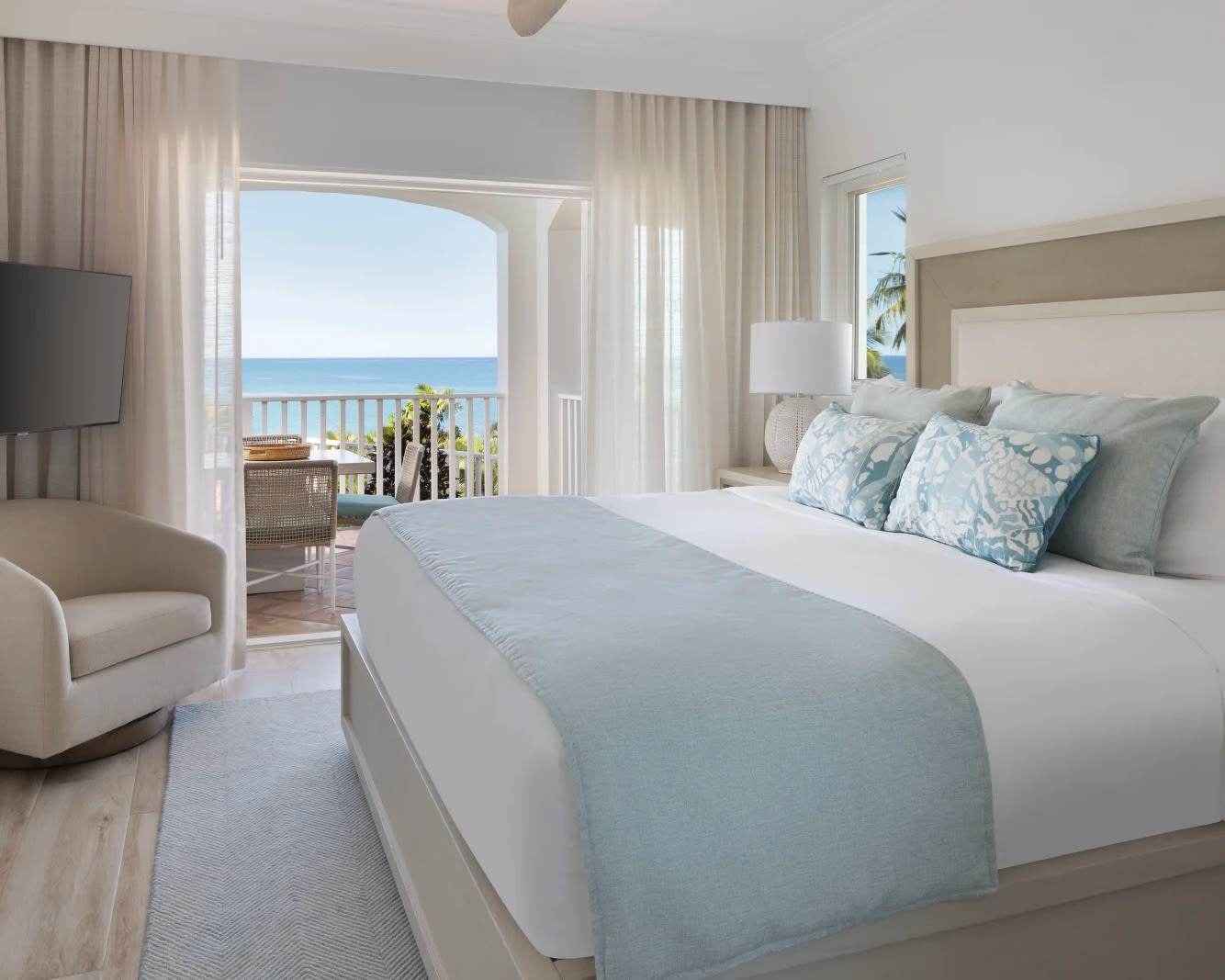
Image courtesy of Windjammer Landing Resort and Residences
St. Lucia’s dramatic volcanic landscapes and coastline shift character along with its various towns and communities. On the northwest coast, Castries serves as the island’s national capital and commercial hub, anchored by its busy deepwater harbor and shopping centers. Gros Islet pulls in visitors with its resort footprint around Rodney Bay and its famous Friday night street parties. Moving down the western shore brings you to Marigot Bay, a picture-perfect harbor filled with luxury yachts, before reaching Soufrière on the southwestern coast—a historic center set against the backdrop of the iconic twin Pitons, geothermal springs, and botanical gardens. Rounding out the island at the southern tip is Vieux Fort, a key cultural and industrial hub that acts as the primary gateway for international flight arrivals.
Where to stay
Sugar Beach, A Viceroy Resort: Nestled in a green rainforest valley between the iconic Pitons, this luxury resort features a white-sand beach, butler-serviced villas with private plunge pools, and an award-winning treehouse spa.
- Perks include a $100 hotel credit, daily breakfast, welcome amenity, an upgrade, and extended check-in/out whenever possible.
Jade Mountain Resort: An exclusive, ultra-luxury retreat set high on a hillside, this architectural marvel is famous for its open-air “sanctuaries,” most featuring private infinity pools and no fourth wall, offering unobstructed views of the Pitons.
- Perks include up to a $300 hotel credit, daily breakfast, an upgrade, and extended check-in/out whenever possible.
Cap Maison Resort & Spa: This Spanish-Caribbean style boutique resort pairs villa-style accommodations with clifftop dining atop an oceanfront bluff on the island’s northern tip. A peaceful, romantic choice ideal for a secluded, boutique escape.
- Perks include a $100 hotel credit, daily breakfast, welcome amenity, an upgrade, and extended check-in/out whenever possible.
BodyHoliday: Located on a secluded cove on the northern coast, this health and wellness-focused all-inclusive resort pairs beachfront relaxation with a comprehensive daily schedule of fitness classes, spa treatments, watersports, and holistic therapies.
- Perks include a $100 hotel credit, daily breakfast, sunset cruise, one 50-minute treatment, one 30-minute tennis or golf session, one 30-minute Wellness Clinic consultation, an upgrade, and extended check-in/out whenever possible.
Ladera Resort: This adults-only luxury resort features eco-friendly suites built from local hardwoods with open-air fourth walls and private plunge pools facing the Pitons. Best suited for couples seeking a peaceful, romantic mountain hideaway immersed in nature.
- Perks include a $100 hotel credit, daily breakfast, an upgrade, and extended check-in/out whenever possible.
Windjammer Landing Resort and Residences: Terraced along a steep hillside, this Mediterranean-style village resort offers spacious multi-bedroom villas with private pools, multiple dining options, and a calm beach, best suited for families and multigenerational groups.
- Perks include a $100 resort credit, daily breakfast, welcome amenity, an upgrade, and extended check-in/out whenever possible.
Sandals: Three couples-only, all-inclusive properties across the island, with Sandals’ Stay at 1, Play at 3 program providing access to the other two resorts for eligible stays. Sandals Grande St. Lucian is set on a calm beach along Rodney Bay with overwater bungalows. Sandals Regency La Toc is a sprawling hillside estate near Castriess with dramatic sunset views and included green fees at Cap Estate Golf & Country Club. Sandals Halcyon Beach is a quieter, low-rise beach resort focused on intimacy.
Zoëtry Marigot Bay: This quiet, hillside all-inclusive resort focuses on boutique luxury, personalized service, and wellness treatments for travelers who prefer marina views, serene spa programs, and fine dining over a typical beachfront layout.
Royalton Saint Lucia: This modern all-inclusive property offers multiple pools, dining options, a spa, and three distinct sections, including family-friendly accommodations and an adults-only Hideaway area.
Cruising to and around St. Lucia
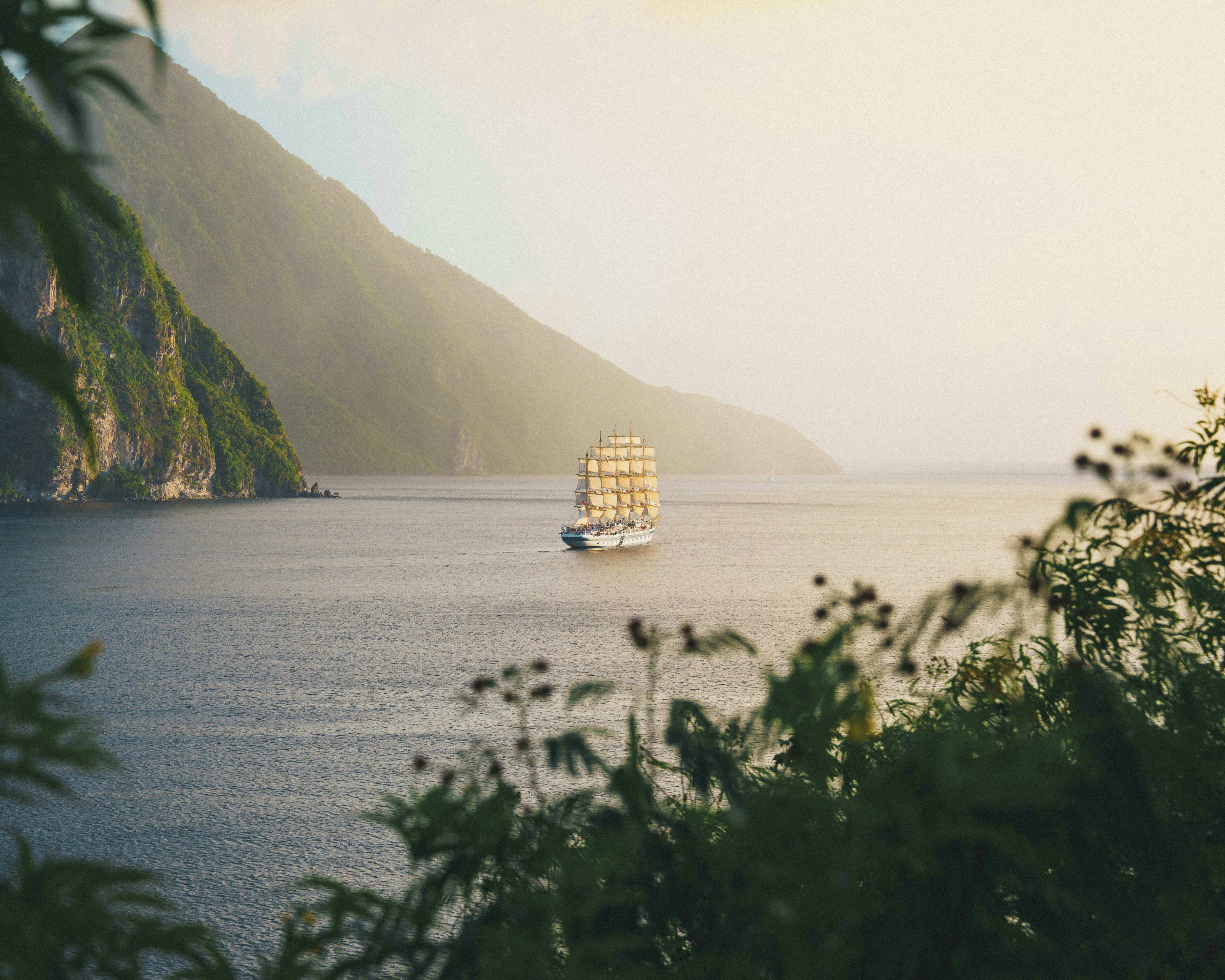
St. Lucia is a staple stop on numerous Caribbean routes. Ships dock in the capital of Castries—either at Pointe Seraphine or La Place Carenage—giving passengers immediate access to duty-free shopping, land tours to the Pitons, or catamaran excursions along the coast.
Weeklong Lesser Antilles itineraries departing from hubs like San Juan or Bridgetown typically visit St. Lucia alongside neighboring islands like Antigua, Martinique, or St. Vincent and the Grenadines. Longer 10- to 14-night sailings out of ports like Miami or Fort Lauderdale offer extended Southern Caribbean routes that pair St. Lucia with Antigua, Barbados, St. Kitts and St. Vincent, or with the ABC islands. Southern Caribbean and Panama Canal voyages visit Saint Lucia alongside stops in Aruba, Curaçao, and Panama.
Notable cruise lines
Celebrity Cruises: Modern, design-forward ships that emphasize elevated dining, spa wellness, and sophisticated contemporary style frequently call on Castries, offering an adult-leaning, relaxed atmosphere to explore the Southern Caribbean.
- Perks include up to $200 onboard credit per stateroom.
Royal Caribbean: Featuring ships packed with expansive amenities, multi-deck entertainment, and extensive youth programming, Royal Caribbean delivers a high-energy experience that caters heavily to active families and multi-generational groups.
- Perks include a specialty dining experience for balcony cabins and above, plus a spa treatment for Junior Suites and above.
Regent Seven Seas: An all-inclusive luxury line known for all-suite accommodations, fine dining, and smaller, ultra-luxury ships that also offer fully inclusive shore excursions, making for an effortless, highly refined way to explore the island.
- Virtuoso Voyages Hosted Benefits available on select sailings.
Windstar Cruises: Operating small, motorized yacht-style vessels and sailing ships, Windstar delivers an intimate, unhurried Caribbean experience, letting passengers launch water sports right from the ship’s stern marina while anchored off Pigeon Island or Soufrière.
- Perks include up to $300 shipboard credit per stateroom on select sailings.
Star Clippers: Operating traditional, tall-masted clipper ships powered primarily by wind, Star Clippers offers an authentic, nautical-focused sailing adventure that visits lesser-frequented bays, creating a casual, immersive voyage.
- Perks include up to $200 onboard credit per cabin, one bottle of champagne, WiFi package, and one-hour massage per person.
St. Lucia’s history and culture
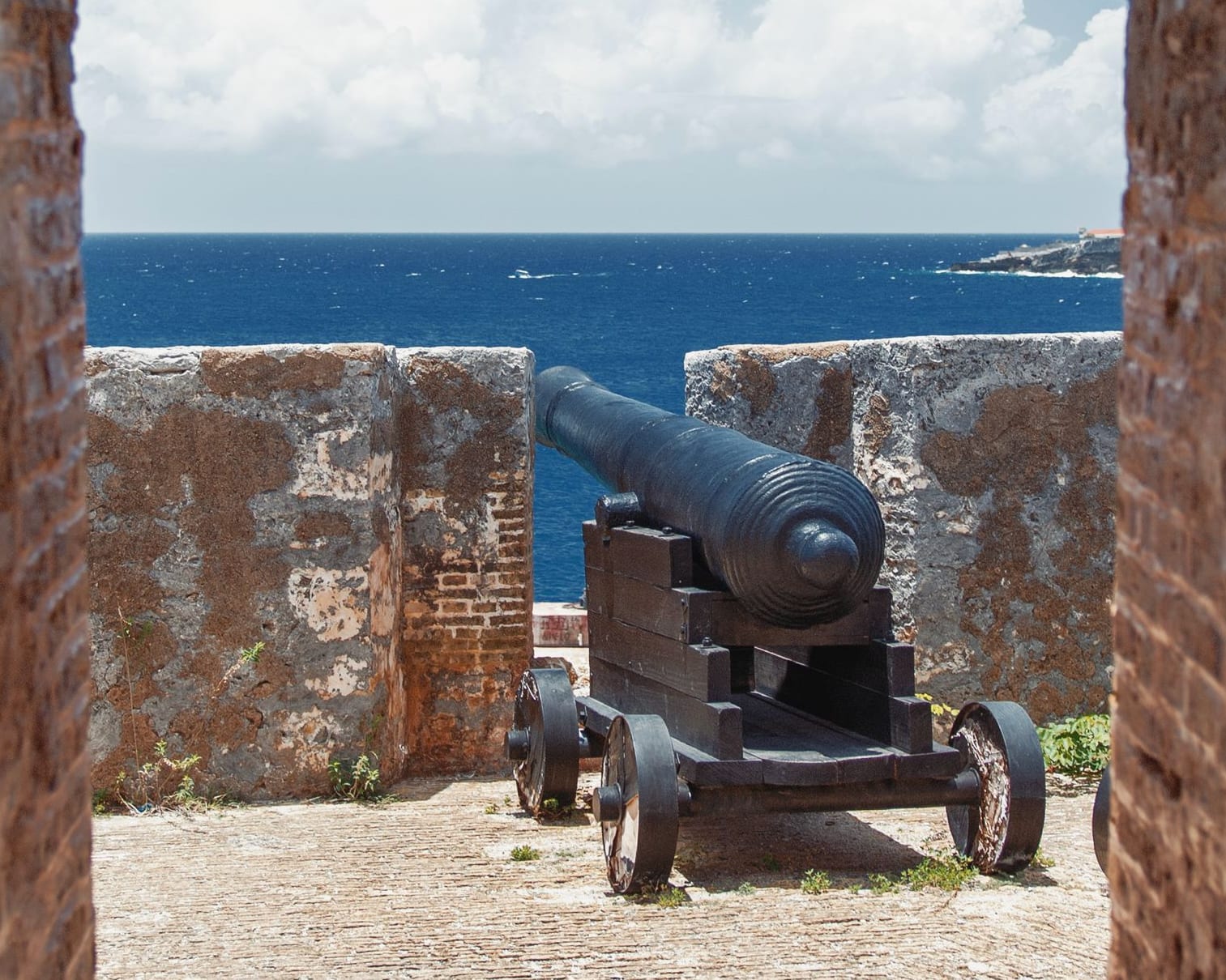
St. Lucia’s cultural identity was shaped by Indigenous peoples, including the Arawak and Kalinago, before European colonization. Starting in the 17th century, the island changed hands between the French and British 14 times before becoming British in 1814, driven in part by its strategic location and the economic importance of sugar plantations. That dual colonial heritage and history of enslaved Africans created a rich Creole culture that persists today.
St. Lucia gained full independence from the U.K. in 1979, emerging with a unique cultural blend evident in its French-influenced Creole language, vibrant street festivals, and a proud intellectual legacy that has produced two Nobel Laureates, Sir Arthur Lewis and Derek Walcott. Modern St. Lucian culture is a living tapestry where traditional Quadrille dancing and steelpan rhythms coexist with a warm, laid-back island lifestyle.
Signature food and drinks
- Green fig and saltfish: St. Lucia’s national dish pairs unripened green bananas—known locally as “figs”—boiled and served alongside flaked salted cod, sautéed with onions, garlic, peppers, and local ground herbs
- Bouyon: A hearty, slow-simmered soup-stew packed with pork, beef, or fish cooked down alongside red beans, plantains, root vegetables, and chewy hand-rolled dumplings
- Lambi: Tenderized conch meat pounded until supple and slow-cooked in a rich, deeply seasoned garlic and Scotch bonnet pepper sauce or curry
- Cocoa Tea: A cherished morning beverage of cocoa sticks, cinnamon, nutmeg, and bay leaf boiled in water and milk
- Sorrel Drink: A festive, dark-red beverage made by steeping dried hibiscus calyces with fresh ginger, cinnamon, and cloves, sweetened with cane sugar and served over ice
Cultural celebrations and events
- Gros Islet Friday Night Street Party (Friday nights, Gros Islet): A decades-old weekly tradition that turns a quiet northern fishing village into a lively outdoor block party with grilled meats, loud music, and flowing rum punch well into the night.
- Independence Day (February 22, nationwide): A national holiday celebrating St. Lucia’s 1979 independence from British rule, marked across the island by ceremonial parades, colorful cultural displays, and traditional music performances.
- Saint Lucia Jazz & Arts Festival (April–May): A premier Caribbean cultural event blending world-class international headliners with local jazz, reggae, and calypso performances alongside visual art exhibitions.
- Saint Lucia Carnival (July, nationwide): An energetic summer celebration defined by weeks of soca and calypso competitions, steelpan performances, and two days of costumed masquerade bands parading through Castries.
- Jounen Kwéyòl / Creole Day (last Sunday of October, various): Rotating host communities celebrate St. Lucia’s African and French heritage with traditional madras clothing, folk music, Kwéyòl storytelling, and feasts of local delicacies.
What to do in St. Lucia
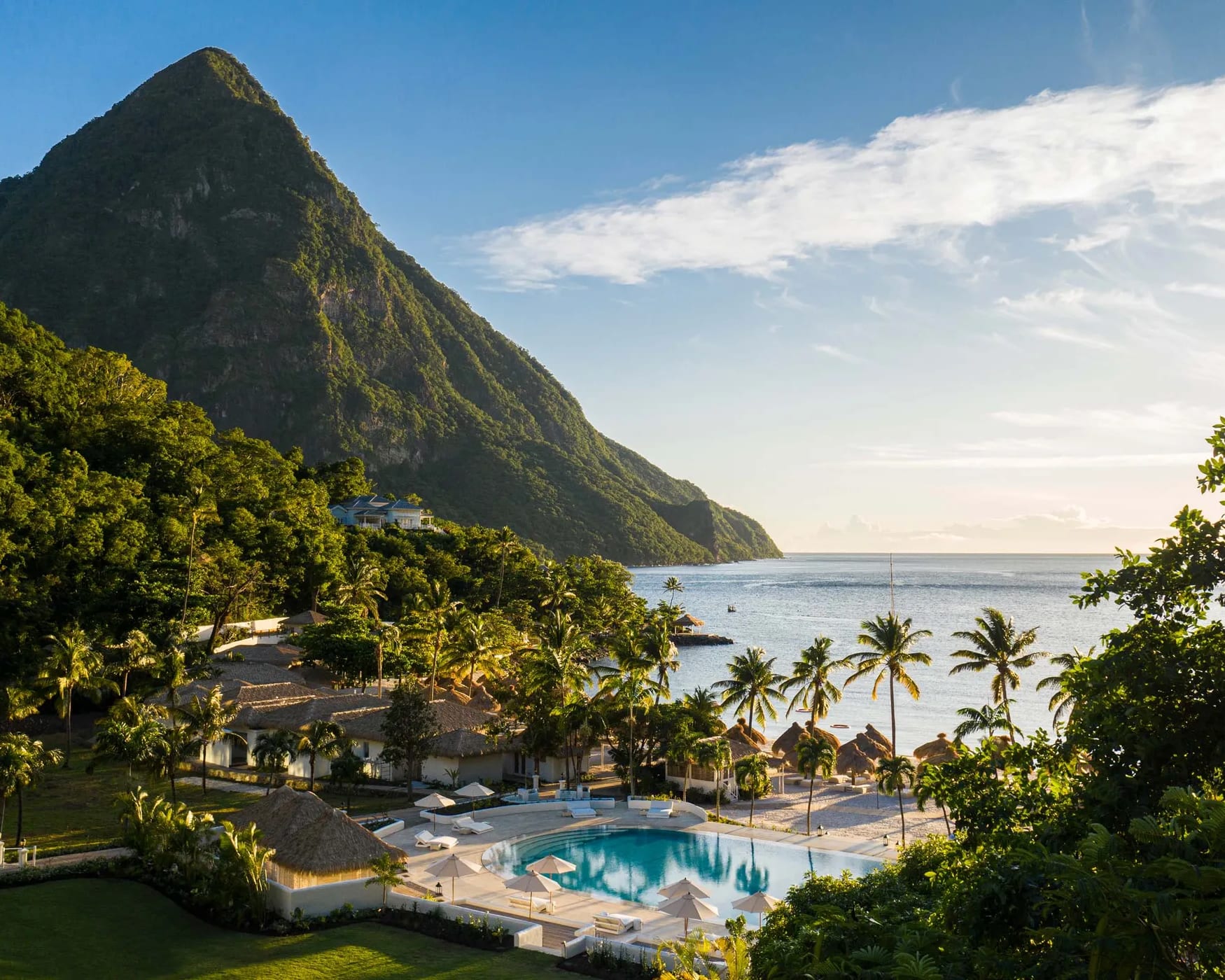
Image courtesy of Sugar Beach, A Viceroy Resort
From dramatic volcanic spires to verdant rainforests and vibrant local markets, St. Lucia offers an unforgettable escape blending Caribbean landscapes with rich island culture.
- The Pitons: Climb Gros Piton for sweeping Caribbean views, or opt for the Tet Paul Nature Trail for accessible vistas of both peaks without the strenuous vertical ascent.
- Explore Sulphur Springs: Tour this drive-in volcano in Soufrière to view steam vents, bubbling geothermal pools, and mineral-rich mud baths.
- Diamond Falls Botanical Gardens: Walk winding paths past tropical flora before reaching the mineral-streaked Diamond Falls, then soak in the gardens’ mineral baths.
- Pigeon Island National Landmark: Wander the 18th-century ruins at Fort Rodney, hike forested trails to scenic viewpoints, and swim in quiet sheltered beaches.
- Catamaran cruise: Sail along the rugged western coastline, drop anchor at sheltered spots like Marigot Bay, and watch the sun set with the iconic Piton peaks in view.
- Snorkel and dive: Swim through clear turquoise waters at Anse Chastanet or Sugar Beach to explore vibrant coral reefs.
- Castries Central Market: Browse bustling open-air stalls in the capital for fresh tropical fruit, handmade woven crafts, and freshly ground island spices.
Trips to add on
Pairing St. Lucia with neighboring destinations or a stopover city lets you experience distinct regional cultures and coastlines.
Barbados (45-minute flight): Serving as a major regional travel hub, Barbados offers a flat, coral-island landscape lined with luxury West Coast beach resorts, historic UNESCO-listed Bridgetown, and a vibrant Bajan culinary scene.
Grenada (1-hour flight): Known as the “Spice Isle,” this tropical neighbor pairs St. Lucia’s dramatic mountain energy with aromatic nutmeg plantations, rum distilleries, and the pristine white sands of Grand Anse Beach.
Antigua (1-hour flight): Contrast St. Lucia’s rainforest terrain with Antigua’s hundreds of beaches, historic Nelson’s Dockyard, and world-class sailing culture across sheltered, turquoise bays.
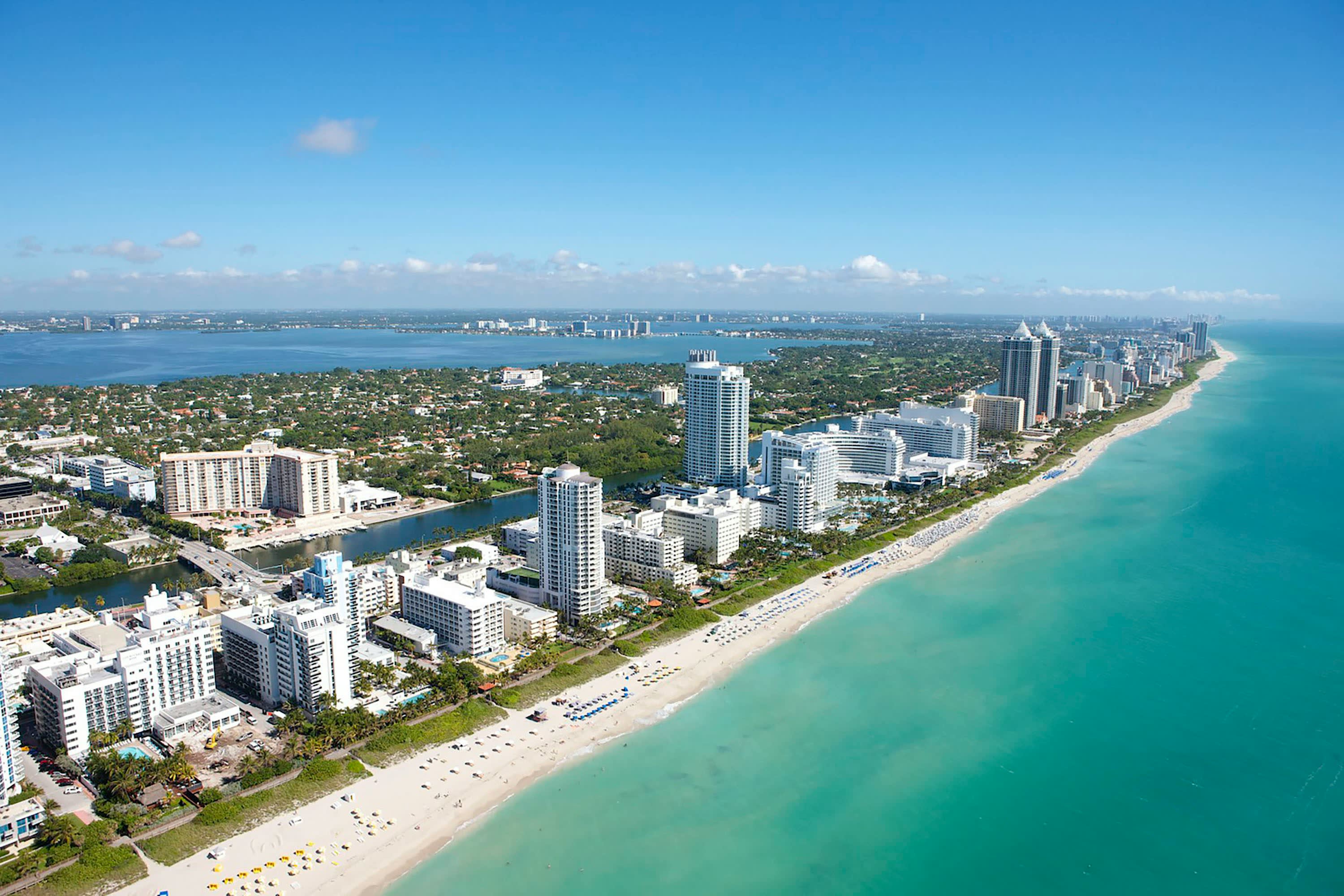
Miami (4-hour flight): A great stopover choice for North American connections, Miami lets you transition from quiet tropical nature to Art Deco architecture, high-design shopping, world-class nightlife, and a thriving Latin American dining scene.
If not St. Lucia…
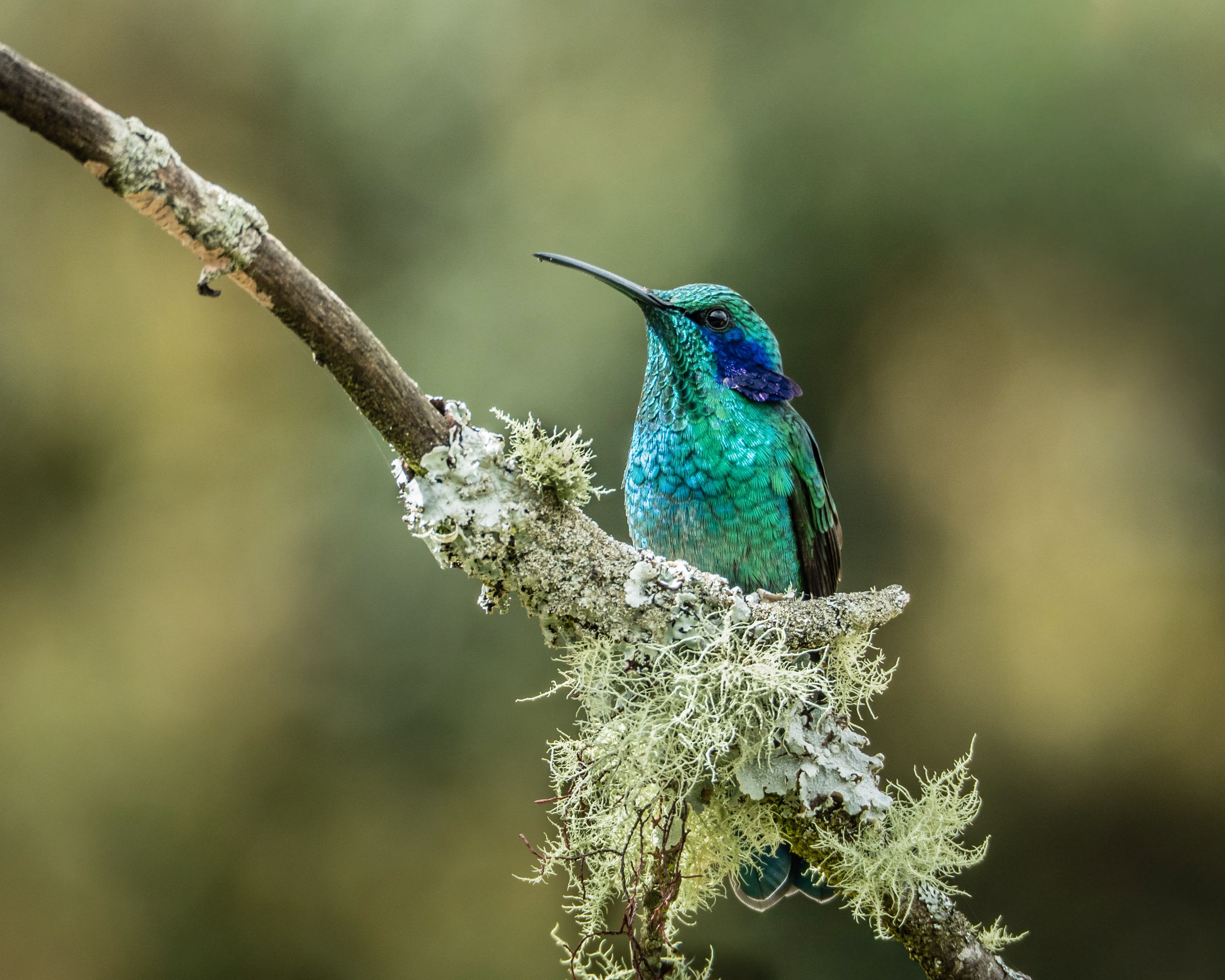
If you are drawn to St. Lucia’s dramatic volcanic landscapes, tropical rainforests, and luxurious coastal escapes, these offer a similar mix of nature, culture, and relaxed living.
Hawai‘i: This volcanic archipelago mirrors St. Lucia’s dramatic topography with towering sea cliffs, jungle hikes, and active geothermal sites alongside world-class surf and luxury resorts.
Costa Rica: A paradise for eco-adventurers, this Central American hot spot trades island seclusion for dense cloud forests, towering volcanoes, and vibrant wildlife.
St. Barths: This glamorous French West Indies enclave swaps rugged rainforests for chic Riviera-style elegance, superyacht harbors, luxury boutiques, and gourmet beachfront dining.
St. Vincent and the Grenadines: This tranquil 32-island chain offers a quieter, highly navigable alternative featuring dramatic volcanic peaks on St. Vincent and world-renowned sailing, private island retreats, and turquoise lagoons throughout the Grenadines.
Fancy a plunge pool with a Piton view?
From rainforest hideaways to sundowners by the sea, WeGalavant will tailor your St. Lucia escape, with VIP perks where available.


BEST THE JOURNAL
of
European Christmas markets transform historic town squares into winter celebrations rooted in centuries-old traditions, regional craftsmanship, and seasonal gastronomy. Germany’s historic cities and towns, from Dresden to Nuremberg, lay the foundation with classic timber chalets, handcrafted wooden folk art, and warm Glühwein. Imperial capitals like Vienna and Prague add fairy-tale backdrops, backdrop light displays, and […]
Beyond the well-known shores of Bali, Indonesia is made up of a vast tapestry of distinct regional identities, untamed nature, spiritual traditions, and vibrant local life across thousands of volcanic islands. Java pulls travelers into its cultural core with towering 9th-century stone monuments, active volcanic peaks like Mount Bromo, and the artistic heritage of Yogyakarta. […]


+ Show / Hide Comments
Share to: