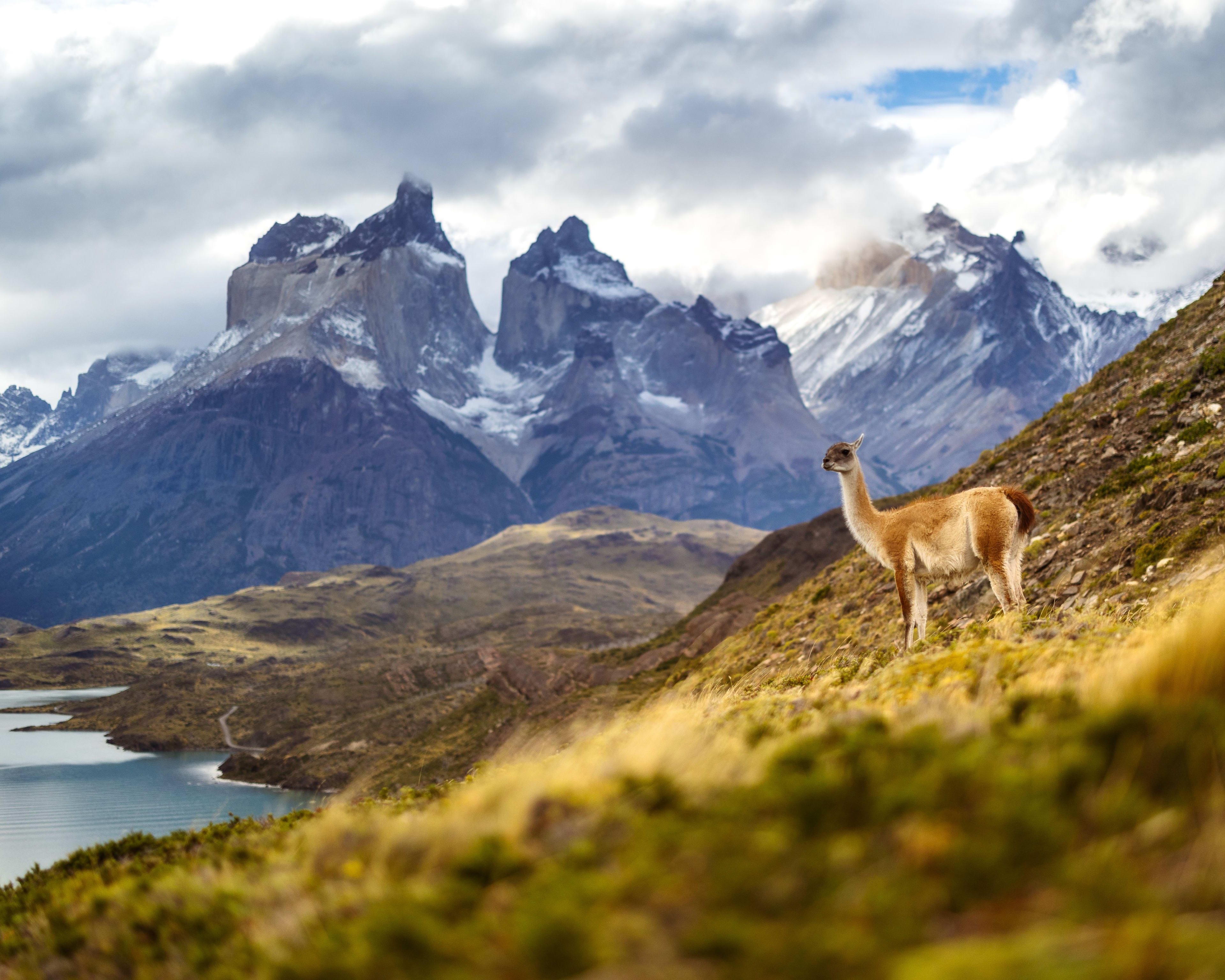
Chile is a land of dramatic climatic extremes and rugged natural barriers that create one of South America’s most captivating destinations. Santiago serves as the vibrant entry point, framed by the snow-capped Andes and world-class vineyards of the Central Valley. To the north, the high-altitude Atacama Desert reveals surreal salt flats, steaming geyser fields, and unmatched stargazing skies. Heading south, the landscape shifts from the emerald lakes and volcanoes of the Lake District to the windswept wilderness, granite spires, and calving glaciers of Patagonia. Thousands of miles offshore, the isolated Polynesian outpost of Rapa Nui (Easter Island) adds an ancient, mysterious dimension.
Whether trekking beneath the granite horns of Torres del Paine, sampling old-vine Carménère, or gazing at the stars, Chile makes for an unforgettable destination.
Need to know
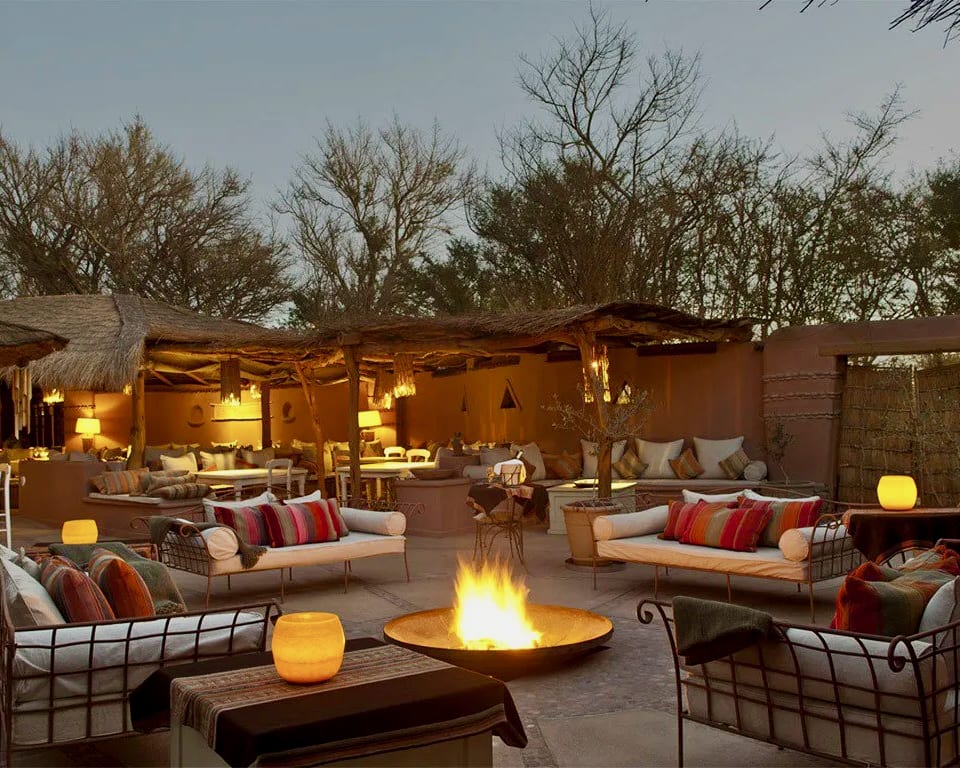
Image courtesy of Awasi Atacama
Stretching along South America’s western edge, Chile requires an understanding of extreme contrasts that can turn a daunting geography into a seamless adventure.
Currency
Chile uses the Chilean Peso (CLP). Credit cards and contactless payments are widely accepted across major cities, hotels, and restaurants. Carrying cash is essential for small towns, street markets, and remote regions like Patagonia or the Atacama Desert. A 10% tip (propina) is customary in restaurants and is typically presented as a voluntary add-on to the bill.
Languages
Spanish is the official language spoken throughout Chile. While English is widely understood in high-end hotels, major tour operations, and popular tourist hubs, it drops off quickly in rural areas. Note that Chilean Spanish (chileno) is notoriously fast, uses distinct slang (chilenismos), and drops ending consonants, so even fluent Spanish speakers may need a moment to adjust.
- Key phrases: hola (hello), gracias (thank you), por favor (please), disculpe (excuse me), cómo estás? (how are you?), sì/no (yes/no), no hablo español (I don’t speak Spanish), habla inglés? (do you speak English?)
Transportation
Getting around Chile is generally straightforward, though vast distances can mean hours-long drives, making a private driver preferable to self-driving—especially in remote regions like Patagonia. Within Santiago, a highly efficient metro and bus system makes getting around easy, while rideshare apps like Uber operate across major urban areas.
Best time to visit
Given its extreme geography, timing a visit to Chile depends heavily on which regions you plan to visit. Patagonia is best experienced during the southern summer (November–March) for warmer days, open trails, and maximum daylight, though high winds and peak crowds follow. Central Chile’s winelands and Santiago are most pleasant in spring (September–November) or during the autumn grape harvest (March–April). The northern Atacama Desert is a clear, dry destination year-round, but temperatures plummet during nights in winter (June–August). Rapa Nui sees warm summers, mild winters, and high humidity and constant winds year-round, with April-July usually bringing the rainiest period. The shoulder months of November and March offer an ideal sweet spot of manageable weather, fewer crowds, and lower rates everywhere.
Ideal length of stay
Seven days is the minimum to explore Santiago alongside a single region like the Atacama Desert or the Central Valley winelands. Given the long international flights and extended drive times to remote lodges, ten to fourteen days is ideal to link multiple regions— but North American travelers benefit from a minimal time zone shift.
What to wear
Preparing for Chile’s varied geography requires packing for different climates. Smart-casual attire with comfortable walking shoes works well for Santiago and Central Valley wine tastings. Loose, breathable clothing paired with high-SPF sun protection and a heavy jacket for cooler nights is ideal for the high-altitude Atacama Desert. For Patagonia, a strict technical layering system—a moisture-wicking base layer, warm mid-layer, and a wind and waterproof outer shell alongside sturdy hiking boots—is essential. In contrast, Rapa Nui calls for a laid-back wardrobe of light shirts, shorts, swimwear, and rain gear for occasional tropical showers.
Travel tips
- Health and safety: Chile is generally straightforward, but its extreme landscapes require awareness. Sun protection, ample hydration, and adaptable layering are essential to handle intense high-altitude UV in the Atacama and sudden weather shifts in Patagonia.
- Minimum stays: Lodges across Patagonia frequently enforce strict minimum stay policies during peak summer and festive holiday seasons, with select stays requiring four to five consecutive nights.
- Antarctica cruise bookings: Polar expedition sailings often sell out up to a year or more in advance. Last-minute bookings upon arrival in Punta Arenas and other cities are virtually nonexistent and not advised.
Santiago and Central Wine Valleys
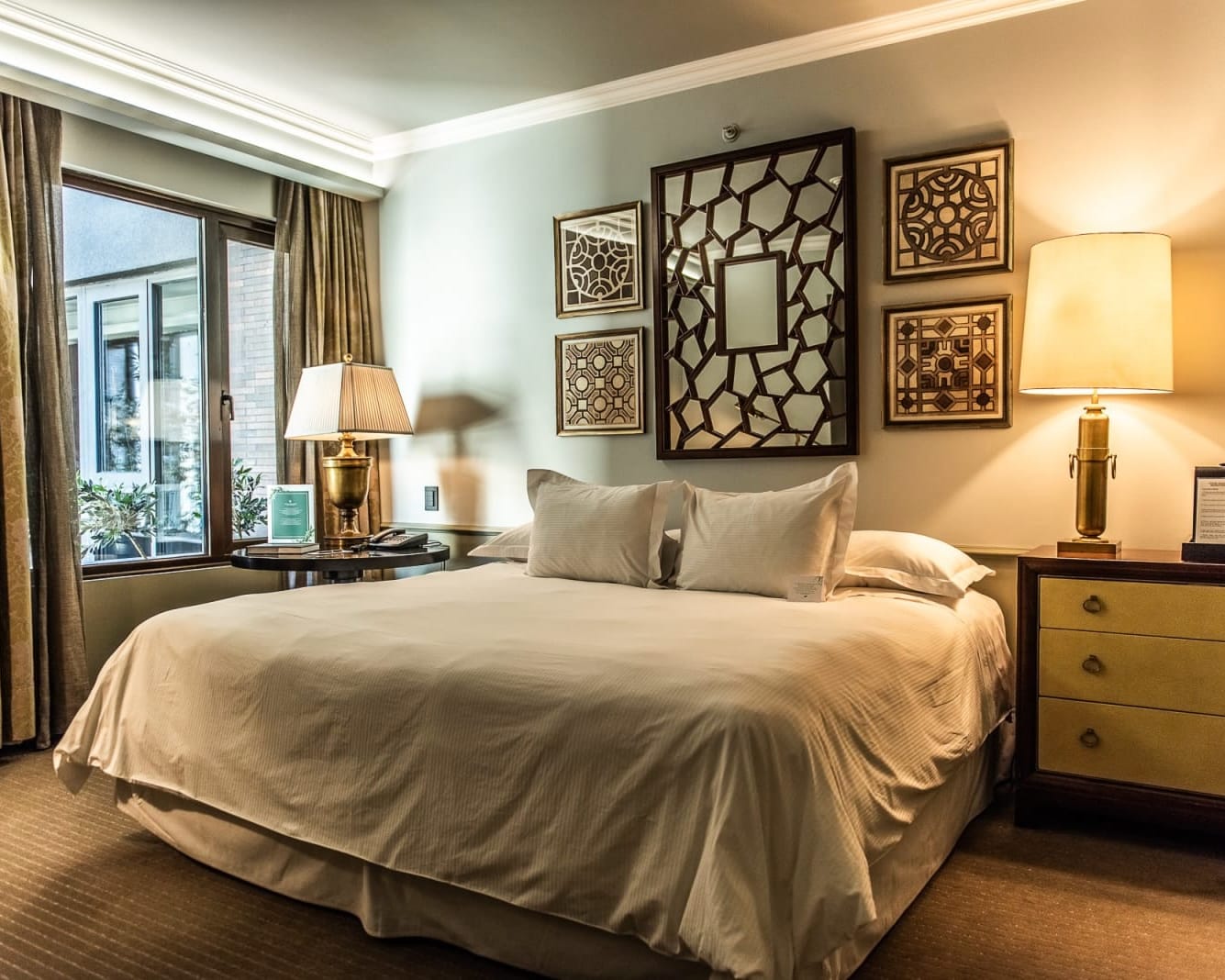
Image courtesy of The Singular Santiago
Framed by the snow-capped Andes to the east, Santiago pairs a modern urban skyline with historic neighborhood charm. The city’s core revolves around Lastarria’s bohemian café culture, the grand neoclassical architecture surrounding the Plaza de Armas, and sweeping valley views from the top of Cerro San Cristóbal.
Just beyond the capital, the fertile Central Valley encompasses a world-class wine country. The historic Maipo Valley south of the city serves as the spiritual home of Chilean Cabernet Sauvignon and Carmenère. Further west toward the coast, the maritime Casablanca Valley produces crisp Sauvignon Blancs and Chardonnays, while the rolling hills of the Colchagua Valley to the south anchor the region’s premier full-bodied red estates and vineyard retreats.
Where to stay
Mandarin Oriental, Santiago: Situated in the upscale Las Condes district, this high-rise luxury retreat features expansive gardens, a lagoon-style outdoor pool, and sweeping views of the Andes. Refined rooms, a holistic spa, and acclaimed dining make it a resort-style sanctuary.
- Perks include a $100 hotel credit, daily breakfast, welcome amenity, an upgrade, and extended check-in/out whenever possible.
The Ritz-Carlton, Santiago: Positioned in the prestigious El Golf neighborhood, classic elegance meets polished service, rich woodwork, and a glass-domed rooftop pool. It remains a top choice for business and luxury travelers wanting a central urban location.
- Perks include a $100 hotel credit, daily breakfast, welcome amenity, an upgrade, and extended check-in/out whenever possible.
The Singular Santiago: Set in the historic and trendy Lastarria area, this boutique hotel blends early 20th-century neoclassicism with contemporary design. Its lively rooftop bar and pool offer panoramic views, all while being just steps from Santiago’s cultural core.
- Perks include a wine tasting, daily breakfast, welcome amenity, an upgrade, and extended check-in/out whenever possible.
Vik Hotel Chile: This hilltop retreat overlooking the Millahue Valley vineyards features a striking titanium roof and individually themed art suites. An infinity pool suspended over the valley, an on-site winery, and tailor-made wine pairings create an immersive luxury escape.
- Perks include a $100 hotel credit, daily breakfast, an upgrade, and extended check-in/out whenever possible.
Atacama Desert
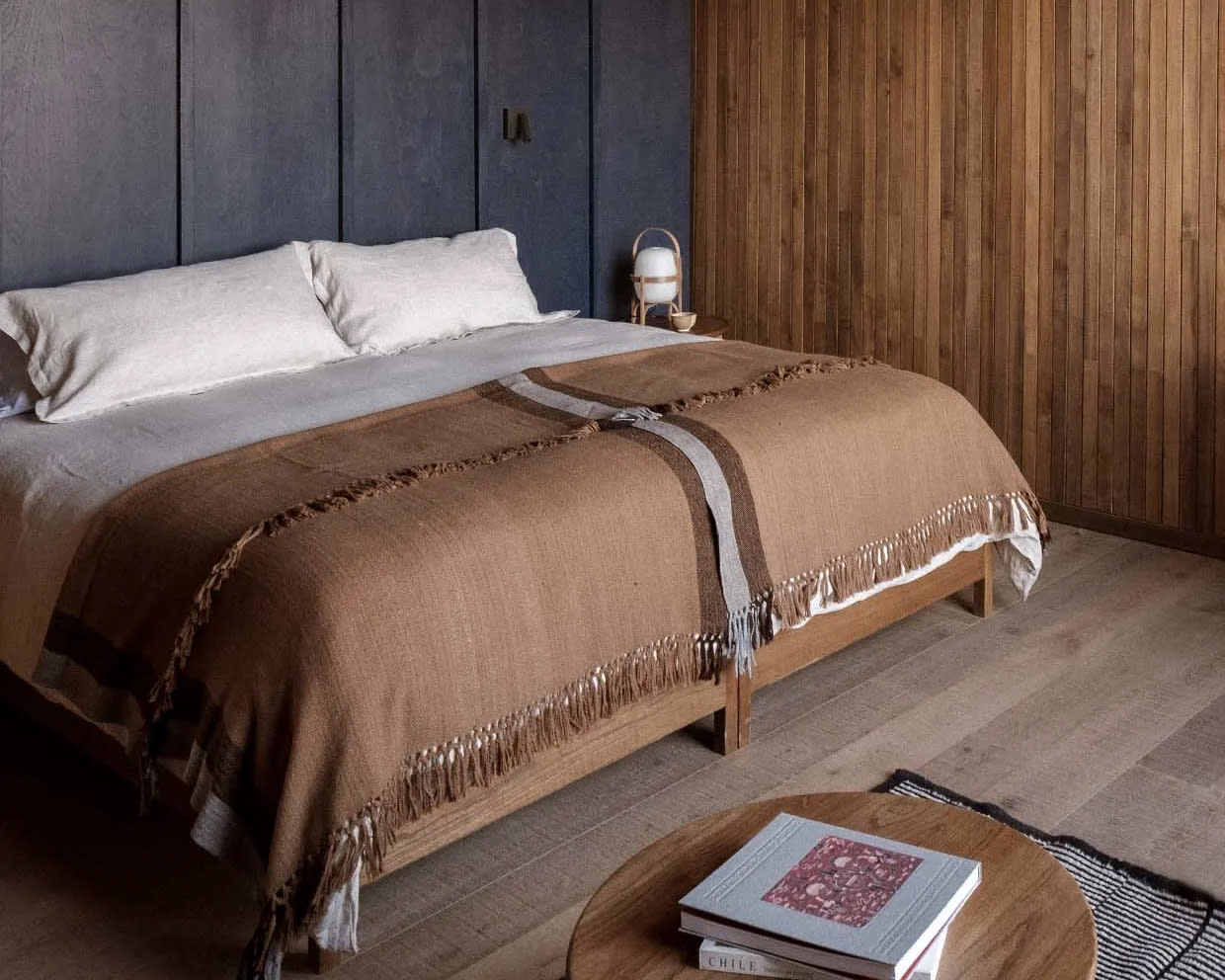
Image courtesy of Tierra Atacama
Anchored by the adobe oasis town of San Pedro de Atacama, this high-altitude expanse in northern Chile is the driest non-polar desert on Earth. The surrounding landscape unfolds in surreal ways—from the wind-carved salt ridges and towering sand dunes of Valle de la Luna to the shallow mineral lagoons of Salar de Atacama, teeming with pink flamingos. Pre-dawn excursions climb higher into the Andes to catch steam columns rising from the El Tatio geyser field at sunrise, while clear, dry air and near-zero light pollution turn the desert floor into one of the world’s premier stargazing destinations at night.
Where to stay
Awasi Atacama: This exclusive Relais & Châteaux lodge features just 12 secluded adobe suites. With a private 4×4 vehicle and dedicated guide assigned to every suite, the property offers an entirely bespoke way to explore the surrounding desert wilderness.
- Perks include a personalized multi-course tasting menu, daily breakfast, an upgrade, and extended check-in/out whenever possible.
Tierra Atacama: This eco-luxury sanctuary pairs minimalist, earth-toned architecture with a serene outdoor pool and spa. All-inclusive guided excursions, cozy fire pits, and star-filled night skies deliver a relaxed yet refined desert hideaway.
- Perks include a $100 hotel credit, daily breakfast, an upgrade, and extended check-in/out whenever possible.
Nayara Alto Atacama: This secluded resort blends into the desert landscape through sustainable adobe architecture. Multiple outdoor thermal pools, an open-air spa, and a stargazing observatory provide an intimate retreat away from the main town center.
- Perks include a $100 hotel credit, daily breakfast, welcome amenity, an upgrade, and extended check-in/out whenever possible.
Patagonia
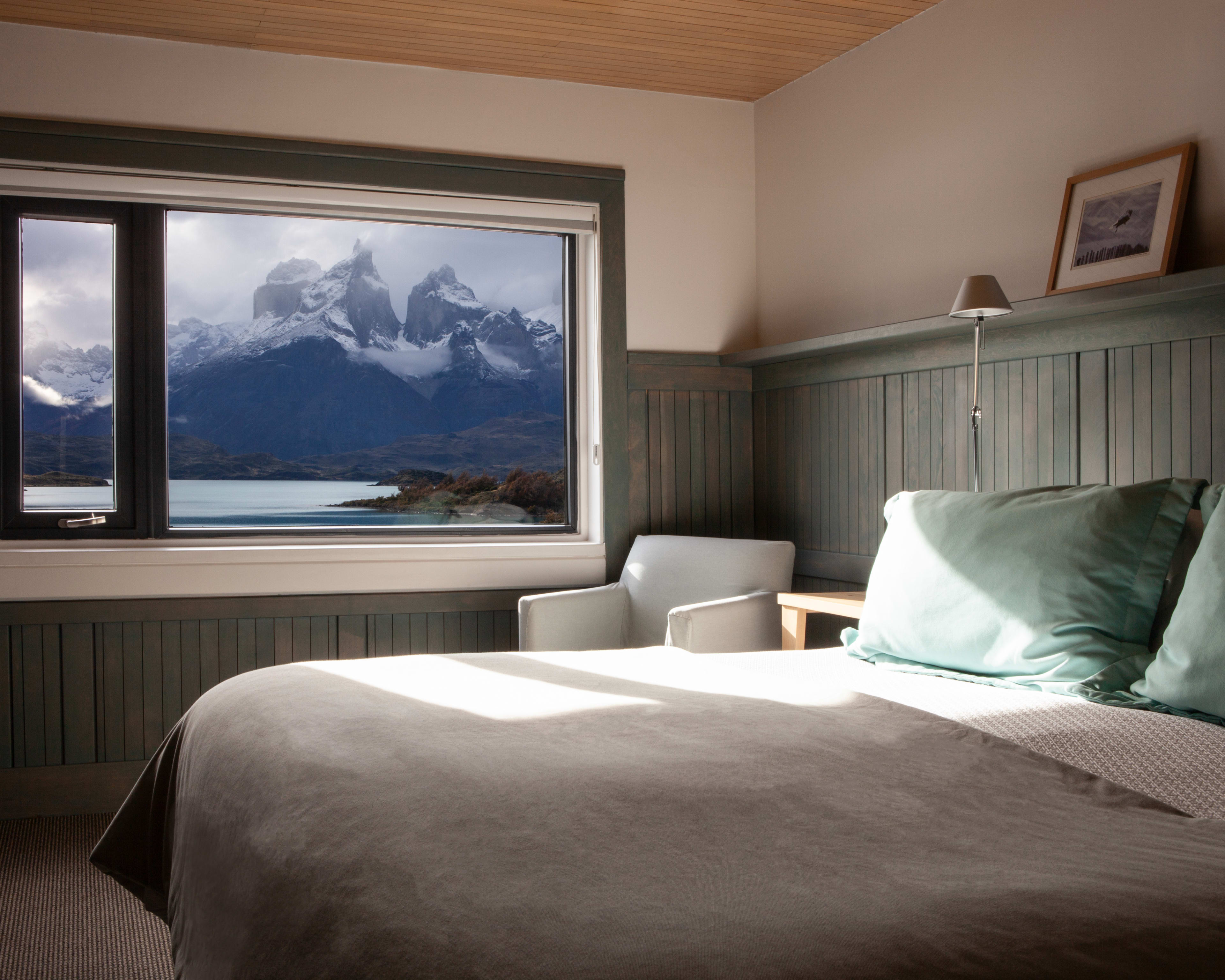
Image courtesy of Explora en Torres del Paine
Dominating the wild southern tip of Chile, Patagonia is a dramatic wilderness of granite peaks, sprawling glaciers, and wind-swept fjords. The region’s crown jewel is Torres del Paine National Park, where dramatic alpine horns, iceberg dotted glacial lakes, and world-renowned multi-day trekking routes draw outdoor enthusiasts from around the globe. Beyond the park, the legendary Carretera Austral highway winds through northern Patagonia’s remote fjords, temperate rainforests, and turquoise rivers, while maritime excursions navigate the labyrinthine waterways of the Chilean Fjords to reach calving glaciers.
Where to stay
Explora en Torres del Paine: On the shores of Lake Pehoé inside Torres del Paine, this iconic lodge offers unrivaled views. With its own stables, private catamaran, and dozens of hiking and horseback riding routes, it is the benchmark all-inclusive base for active park exploration.
- Perks include a $100 hotel credit, daily breakfast, an upgrade, and extended check-in/out whenever possible.
The Singular Patagonia: Housed in a restored 1915 cold-storage plant on the shores of the Last Hope Sound, this hotel pairs industrial heritage with modern luxury. Museum spaces, floor-to-ceiling views, and private boat trips make it a distinctive historical stay.
- Perks include a $100 hotel credit, daily breakfast, welcome amenity, an upgrade, and extended check-in/out whenever possible.
Tierra Patagonia: Curving along a lakeside bluff, this architectural haven’s lenga-wood exterior is designed to blend into the Patagonian pampa. Window walls in every room, an indoor hydrotherapy pool, and tailored daily excursions make it a serene luxury base.
- Perks include a $100 hotel credit, daily breakfast, an upgrade, and extended check-in/out whenever possible.
Rapa Nui (Easter Island)
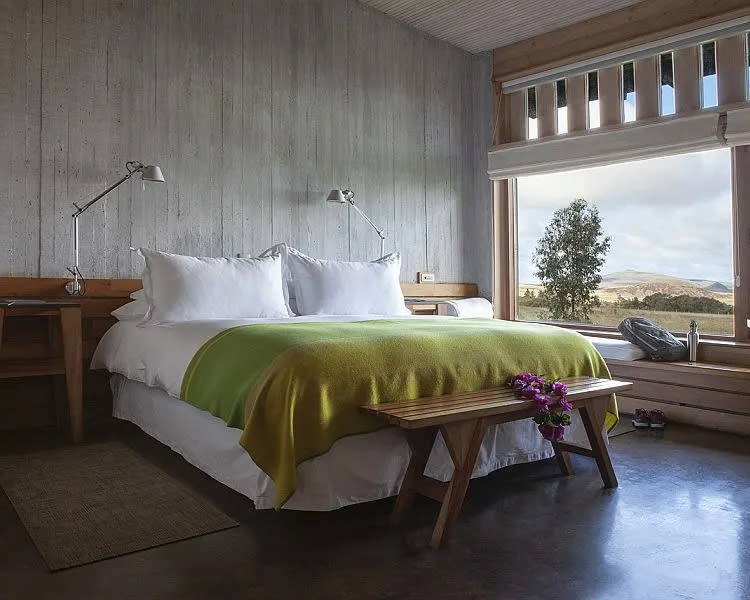
Image courtesy of Explora Rapa Nui
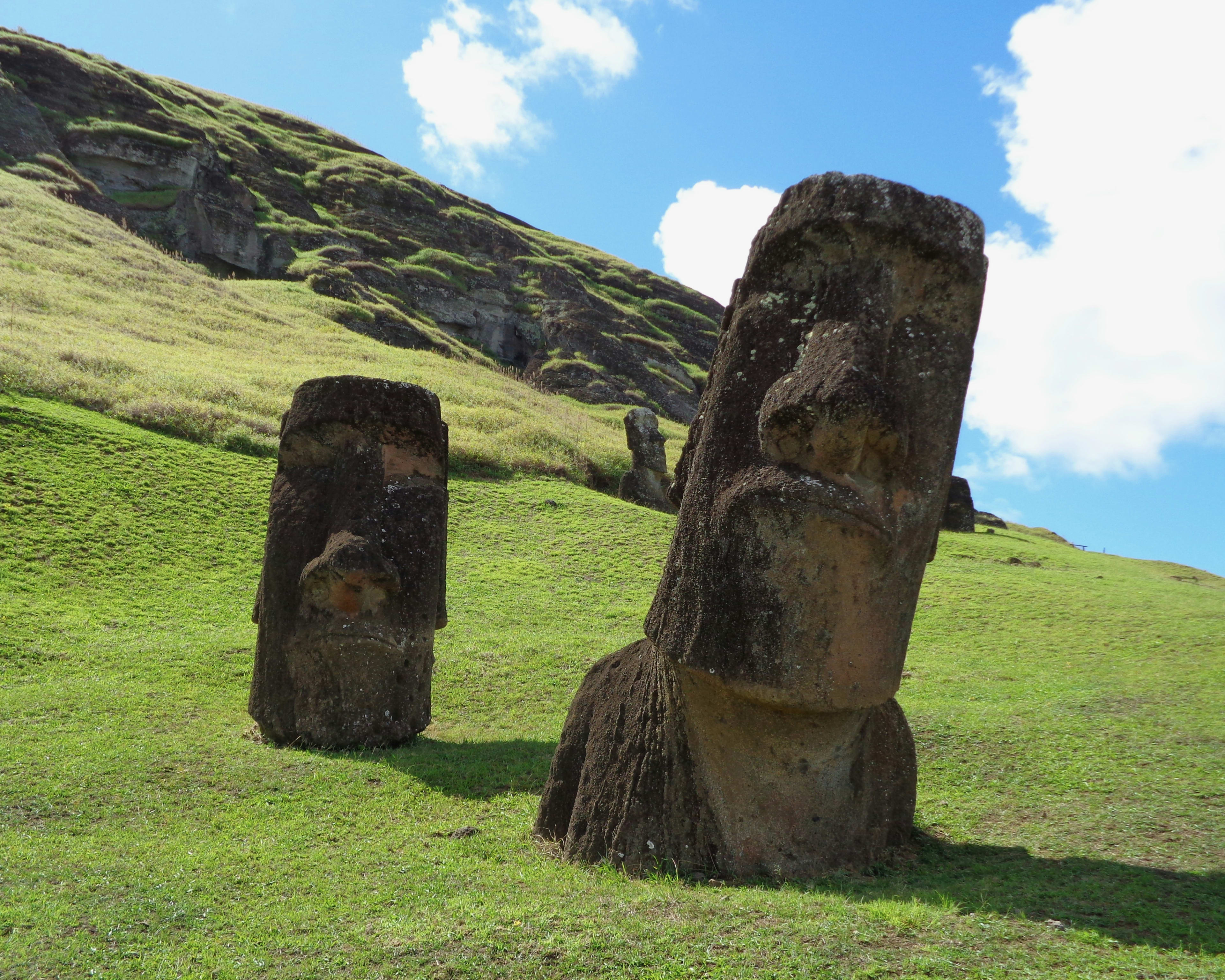
Floating in isolation over 2,000 miles off the Chilean coast, Rapa Nui (Easter Island) functions as a vast open-air archaeological park. The island’s identity revolves around its monumental stone statues (moai), carved by the early Rapa Nui people and scattered across ceremonial platforms (ahu) like the massive 15-figure line at Ahu Tongariki. Beyond the main town of Hanga Roa, travelers can walk through Rano Raraku (the volcanic quarry where hundreds of unfinished statues remain embedded in the hillside), explore the cliffside ceremonial village of Orongo above the Rano Kau crater, or swim in the turquoise waters of white-sand Anakena Beach.
Where to stay
Explora Rapa Nui: Set on a quiet hill overlooking the Pacific Ocean, this eco-lodge uses local stone and wood to create a tranquil, sustainable footprint. Guided hikes, overland drives, and coastal walks led by local guides offer an immersive, all-inclusive stay.
- Perks include a $100 hotel credit, daily breakfast, an upgrade, and extended check-in/out whenever possible.
Nayara Hangaroa: Positioned along the coast, walking distance from Hanga Roa’s town center, this oceanfront resort draws inspiration from the ancient ceremonial village of Orongo. Grass roofs, native timber interiors, and an ocean-view pool deliver a comfortable atmosphere.
- Perks include a $100 hotel credit, welcome amenities, and an upgrade whenever possible.
Cruising to and around Chile
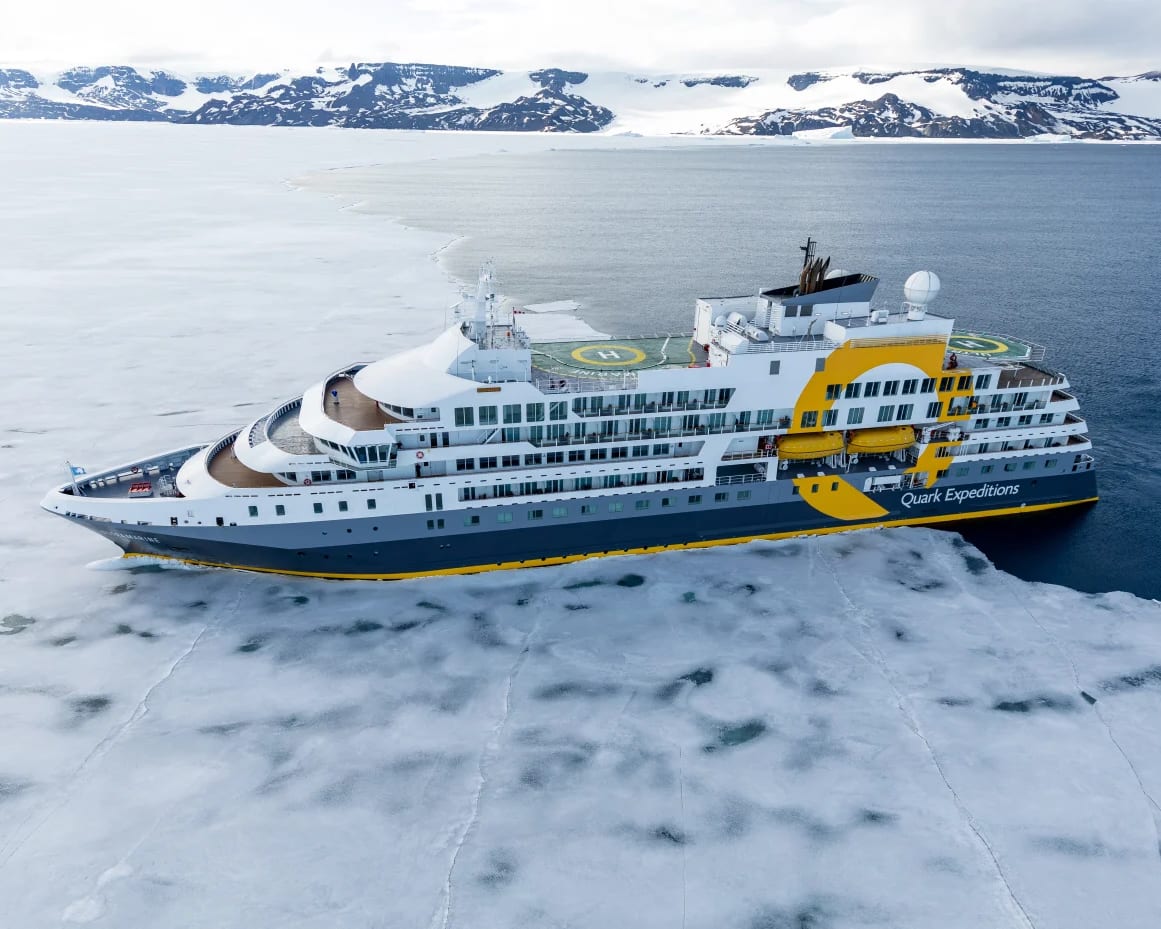
Image courtesy of Quark Expeditions
Cruising along Chile’s extensive coastline provides a scenic alternative to long overland journeys, connecting dramatic Pacific fjords, coastal cities, and polar gateways on a single sailing. Sailings serving Santiago don’t depart directly from the capital; instead, ships dock in either Valparaíso or the industrial port of San Antonio, both of which require roughly a 1.5-hour drive to reach central Santiago or the airport.
Popular itineraries in the region range from shorter eight-night cruises between Santiago and Lima to comprehensive 14-night Patagonian voyages running around Cape Horn between Santiago and Buenos Aires. For longer journeys, 14-plus-night repositioning sailings connect Chile to Florida via the Panama Canal or to Southern California along the Pacific Coast. Southern hubs like Punta Arenas and Puerto Natales host seven- to nine-night “fly-and-cruise” Antarctica expeditions that bypass the Drake Passage with direct polar flights.
Notable expedition cruise lines
Quark Expeditions: Specializing in expedition cruises, this polar-focused operator utilizes rugged, ice-strengthened ships equipped with onboard helicopters and Zodiac fleets. Off-ship activities like heli-hiking, sea kayaking, and alpine landings offer thrilling exploration.
- Perks include up to $500 shipboard credit per stateroom.
National Geographic x Lindblad Expeditions: This expedition line prioritizes hands-on learning, scientific exploration, and wildlife photography. Onboard naturalists, photography instructors, and Undersea Specialists lead active field excursions in small craft.
- Perks include up to $200 onboard credit per cabin.
Australis Cruises: Operating purpose-built, 200-guest expedition vessels that navigate the narrowest channels of Tierra del Fuego and the Strait of Magellan on routes with Zodiac landings reaching remote glaciers, sub-polar forests, and the legendary Cape Horn.
Antarctica21: The Antarctic fly-and-cruise pioneer, travelers fly directly from Punta Arenas to King George Island in two hours to join a boutique expedition ship, bypassing the turbulent two-day Drake Passage crossing with more time to explore the remote reaches of Antarctica.
Notable ocean cruise lines
Silversea: All-suite luxury vessels offer an ultra-premium experience complete with personalized butler service and fine dining. Its intimate ships easily dock in smaller ports and navigate narrow Patagonian fjords while delivering seamless comfort.
- Virtuoso Voyages Hosted Benefits available on select sailings.
Seabourn Cruise Line: Elegant, yacht-like atmosphere paired with intuitive, personalized service and gourmet dining that are designed to feel like a private club at sea. Its medium-sized luxury ships combine relaxed sophistication with adventurous itineraries.
- Perks include up to $250 shipboard credit per person.
Celebrity Cruises: Modern, design-forward ships emphasize elevated food, wellness programs, and adult-leaning atmosphere providing polished, multi-week repositioning and South American itineraries that link Santiago with Buenos Aires and North America.
- Perks include up to $200 onboard credit per stateroom on select sailings.
Chile’s history and culture
Chile’s identity has been shaped by physical isolation and centuries of resistance, hemmed in between the towering Andes and the Pacific Ocean. Before European arrival, the indigenous Mapuche repelled Inca expansion, and later fought Spanish conquistadors over nearly three centuries to maintain autonomy. Following independence in 1818, a centralized republic emerged, fueled by 19th-century resource booms in nitrates and copper that attracted waves of European immigrants, and gradually forged a distinct, blended national identity.
The late 20th century brought profound political rupture with the 1973 military coup that ushered in seventeen years of military dictatorship. The country transitioned back to democracy in 1990 to become one of South America’s most stable and prosperous nations. Vibrant literary legacies of Nobel laureates like Pablo Neruda and Gabriela Mistral, as well as a strong agricultural and winemaking heritage, are an important part of Chilean identity, alongside strong family bonds, resilience, and a strong homeland pride.
Signature food and drinks
- Empanada de pino: A baked pastry featuring a golden crust stuffed with pino—a savory filling of seasoned minced beef, caramelized onions, hard-boiled egg, a single black olive, and a subtle raisin or two for a faint touch of sweetness
- Pastel de choclo: A casserole that layers ground beef, chicken, hard-boiled eggs, and olives beneath a thick, golden crust of sweet mashed corn (choclo)
- Cazuela: A home-style soup with a piece of beef or chicken alongside whole chunks of corn on the cob, potato, pumpkin, green beans, and cilantro
- Pisco sour: Chile’s flagship cocktail, shaken chilled using clear grape-based pisco, tart local lime juice, and simple syrup
- Chilean wine: World-renowned varietals cultivated across sun-drenched Andean valleys, anchored by full-bodied Cabernet Sauvignon and velvety, spiced Carménère
Cultural celebrations and events
- Tapati Rapa Nui (February, Easter Island): A two-week festival celebrating Polynesian heritage featuring traditional wood carving, body painting, singing, dancing, and ancestral sports like the high-speed Haka Pei banana-trunk sledding.
- Wine Harvest Festivals/Fiestas de la Vendimia (March–April, Central Wine Valleys): Annual harvest celebrations across winemaking towns in the Central Valley featuring grape-stamping competitions, wine tastings, and artisanal food stalls.
- Day of the Patrimony/Día de los Patrimonios (Late May, nationwide): A cultural weekend when government palaces, historic private mansions, museums, and national monuments open their doors for free guided tours, pop-up exhibitions, and storytelling.
- Winter Carnival/Carnaval de Invierno (July, Punta Arenas): A vibrant winter celebration bringing colorful street parades, elaborate floats, musical troupes (murgas), and fireworks along the Strait of Magellan.
- Fiestas Patrias (September 18–19, nationwide): Chile’s primary national holiday celebrating the start of the independence movement transforms parks and plazas into lively fondas (open-air party venues) with cueca folk dancing, live music, and empanadas.
What to do in Chile
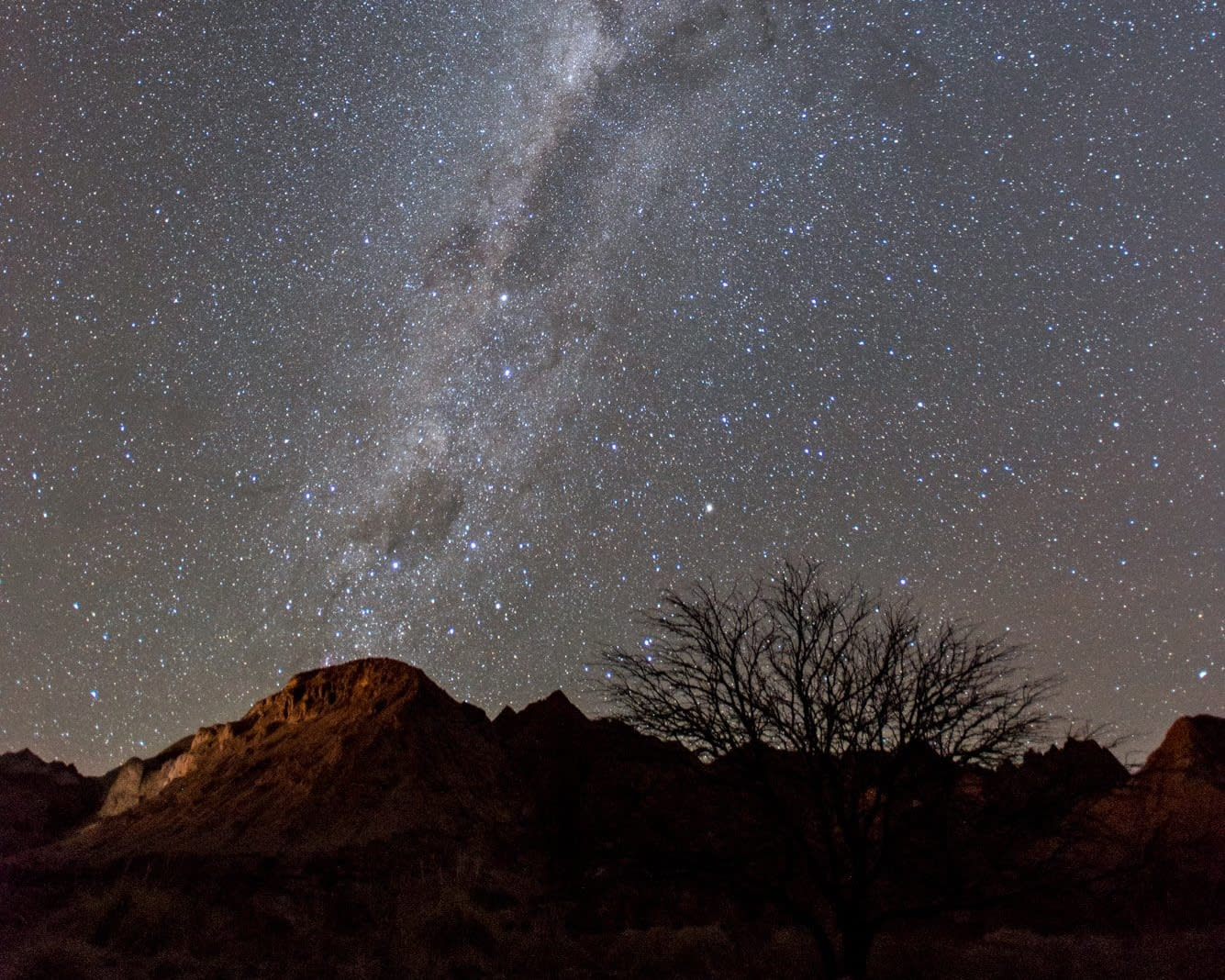
Image courtesy of Nayara Alto Atacama
From the hyper-arid salt flats of the north to the ice-carved fjords of the south, Chile offers a wide array of extreme landscapes alongside vibrant urban centers.
Santiago
- Cerro San Cristóbal: Ride the historic Funicular de Santiago or the cable car up this central hill for panoramic views of the city framed by the snow-capped Andes.
- Sky Costanera: Ascend to the top floors of the Gran Torre Santiago—the tallest skyscraper in South America—for an uninterrupted 360-degree look at the valley.
- Plaza de Armas: Wander the historic main square to take in street performers, local chess players, and the grand neoclassical facade of the Metropolitan Cathedral.
- Palacio de la Moneda: Observe the stately presidential palace and descend into the underground Centro Cultural La Moneda for contemporary art exhibitions.
- Museum of Memory and Human Rights: Walk through this moving museum dedicated to the victims and history of General Pinochet’s military dictatorship.
- Mercado Urbano Tobalaba (MUT): Explore this sustainable urban market blending artisanal food halls, eco-friendly retail, urban gardens, and public gathering spaces.
- Valparaíso and Viña del Mar: Escape to the coast just 90 minutes away to wander Valparaíso’s steep, mural-splashed hills or relax along the sandy beaches and seaside promenades of neighboring Viña del Mar.
Atacama Desert
- Lodge-based touring: Desert lodges tend to structure days through a flexible, collaborative approach—guests meet with expert naturalists over evening cocktails to tailor a mix of half-day and full-day excursions suited to their fitness and interests.
- Trekking and hiking: Excursions range from walking through the wind-sculpted salt formations and dunes of Valle de la Luna to trekking along high-altitude Andean lagoons flanked by volcanoes.
- Biking and sandboarding: Rent a mountain bike to pedal through the red-rock gorges of Valle de la Muerte, or shred down massive sand dunes on a sandboard.
- Horseback riding: Traverse ancient desert riverbeds, oasis groves, and salt crusts on horseback alongside local baqueanos (Chilean cowboys).
- Stargazing: Tap into the world’s clearest night skies on guided astronomical tours, using research-grade telescopes to observe distant galaxies, nebulae, and constellations.
Patagonia
- Lodge-based touring: Remote Patagonian lodges operate on an all-inclusive model, hosting nightly orientation briefings where guides help guests curate daily hiking, horseback riding, or boat itineraries based on personal goals and shifting weather.
- Trekking and hiking: World-class trails lead to iconic vistas, from the base of the granite Torres del Paine towers to verdant sub-polar forests and roaring waterfalls.
- Horseback riding: Saddle up alongside traditional baqueanos to ride across vast grasslands (pampa), glacial river crossings, and rugged mountain passes.
- Biking: Head out on gravel and mountain biking routes along park boundaries, ranch trails, and coastal tracks overlooking wind-rippled lakes.
- Boat and lake excursions: Sail across turquoise glacial lakes like Lake Pehoé or Lake Grey, navigating past floating icebergs to reach the towering ice walls of Grey Glacier.
Rapa Nui (Easter Island)
- Ahu Tongariki: Watch the sun rise against the largest ceremonial platform on the island, featuring 15 restored, colossal moai statues aligned against the ocean.
- Rano Raraku: Explore the volcanic crater and quarry where nearly all of Rapa Nui’s moai were carved, with hundreds in various stages of completion along the hillside.
- Rano Kau and Orongo: Hike to the rim of a massive volcanic crater harboring a freshwater wetland, then explore the nearby stone-walled village of Orongo.
- Island exploration: Rent an ATV, 4×4, or bicycle to independently navigate the island’s coastal roads, hidden sea caves, and white-sand beaches like Anakena.
- Polynesian dinner shows: Experience an evening of ancestral music, live drumming, and energetic dance performances accompanied by traditional earth-oven cuisine.
Where to eat and drink in Chile
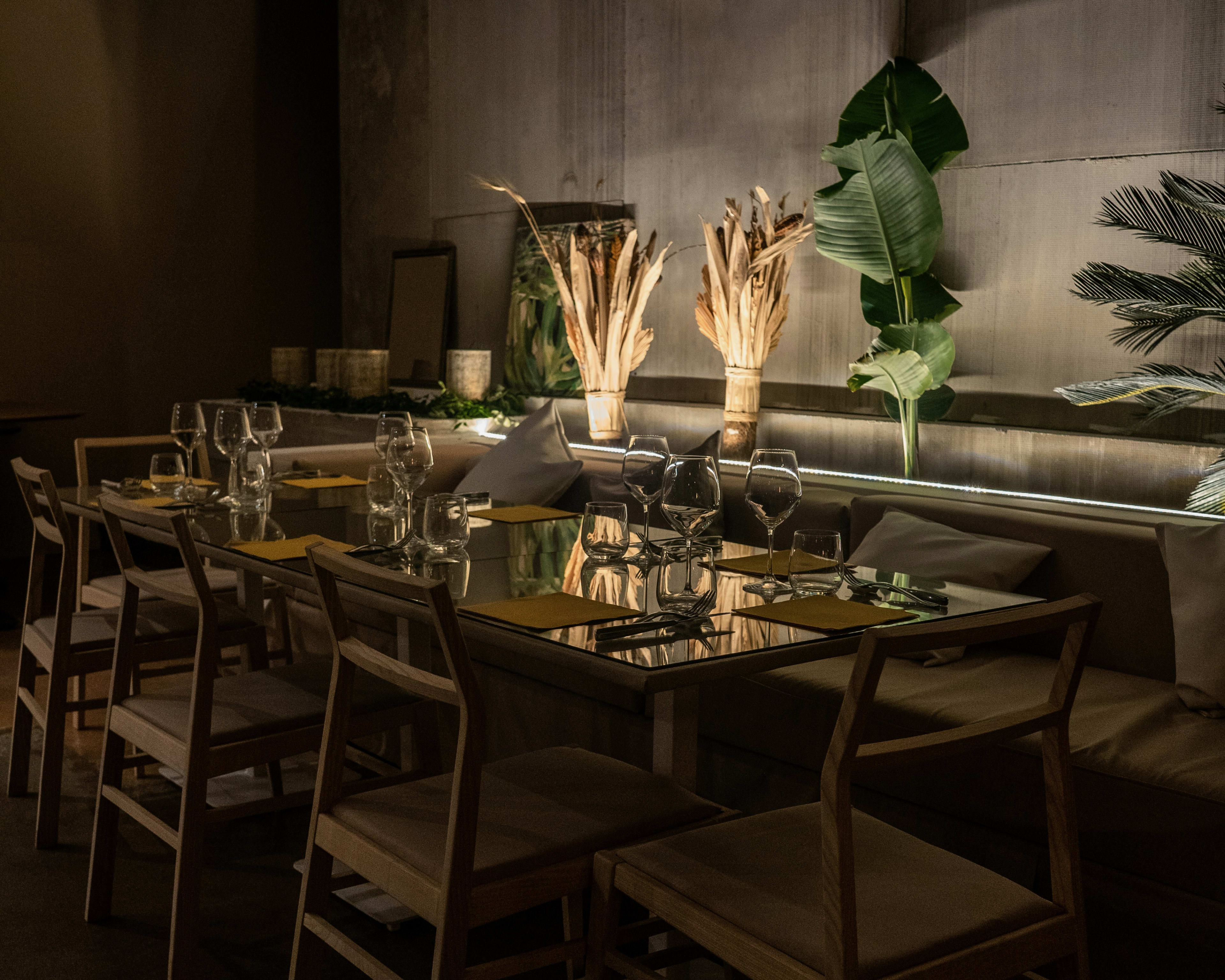
Chile’s culinary scene bridges hyper-local seafood and avant-garde gastronomy with world-class wines, while remote lodges rely almost entirely on in-house dining.
Santiago
- Boragó: Chef Rodolfo Guzmán’s world-renowned hyper-endemic Chilean cuisine uses wild-foraged ingredients served across an inventive tasting menu.
- Ambrosía: Helmed by chef Carolina Bazán, this fine dining destination combines classical French techniques with market-fresh South American ingredients.
- 99 Restaurante: A pioneer of Chile’s “bistronomy” movement, pairing creative tasting menus highlighting seasonal Chilean produce with a relaxed atmosphere.
- Ocean Pacific’s Buque Insignia: A maritime-themed dining experience serving massive platters of fresh seafood, king crab, and local fish amidst vintage naval decor.
- Bar La Providencia: A stylish neighborhood cocktail spot known for its playful, maximalist decor, innovative craft cocktails, and elevated comfort food bites.
- Siete Negronis: A sleek, award-winning cocktail bar that celebrates Italian aperitivo culture with a menu of inventive Negroni variations alongside modern pub fare.
- Casa Lastarria: Set in the heart of the Lastarria district, this lively multi-story bar and restaurant features a leafy rooftop terrace, local seafood, and classic Chilean cuts.
- Le Bistrot de Gaëtan: A cozy, authentic French bistro in Providencia that delivers classic, unpretentious French fare alongside an accessible wine list.
Central Valley wineries
- Concha y Toro (Maipo Valley): One of South America’s most historic wine producers, famous for its grand 19th-century grounds, the legendary Casillero del Diablo cellar, and world-class Cabernet Sauvignon.
- VIK (Millahue Valley): This holistic luxury vineyard produces extraordinary, high-scoring red blends dominated by Cabernet Sauvignon, Carménère, and Cabernet Franc.
- Bodegas RE (Casablanca Valley): A pioneering boutique winery focused on “recreating” ancestral winemaking techniques, and aging unique blends in massive terracotta clay amphorae (jars).
- Clos Apalta (Colchagua Valley): This iconic gravity-fed winery produces iconic, age-worthy red blends of old-vine Carménère, Cabernet Sauvignon, and Merlot.
- Veramonte (Casablanca Valley): Surrounded by native evergreen forests, this organic and biodynamic estate is celebrated for its crisp, ocean-breeze-influenced Sauvignon Blanc, Chardonnay, and cool-climate Pinot Noir.
- Emiliana Organic Vineyards (Casablanca Valley): One of the world’s largest organic and biodynamic wine producers, with roaming alpacas on-site, and producing organic Carménère, Syrah, and Cabernet Sauvignon.
- Casa Marín (San Antonio Valley): Located just 2.5 miles from the Pacific, this maritime-exposed vineyard produces intense white and red varietals like Sauvignon Blanc, Syrah, and Pinot Noir.
Trips to add on
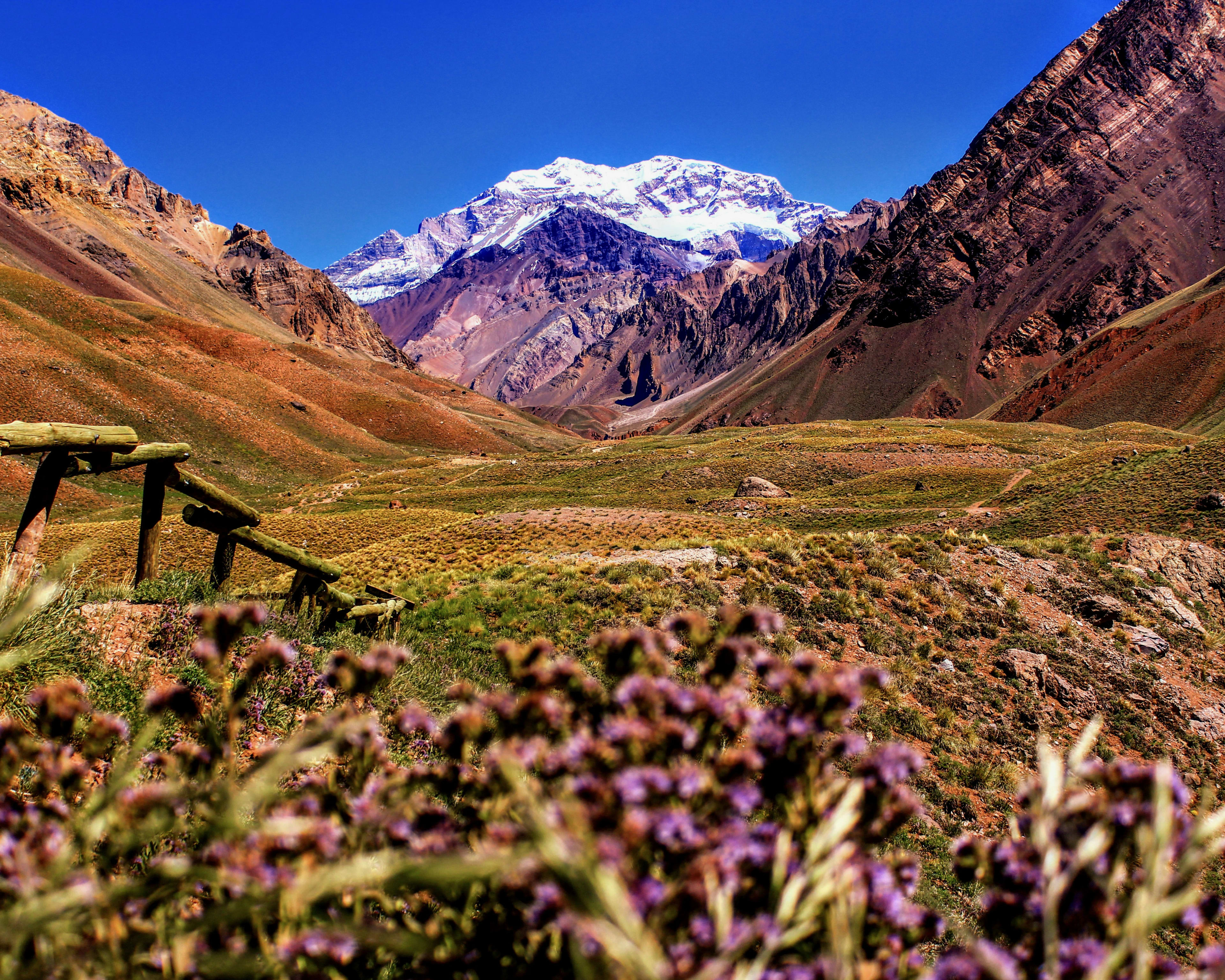
Due to Chile’s narrow geography, adding neighboring destinations requires deliberate planning, but pairing it with adjacent regions seamlessly connects dramatic mountain landscapes, polar wilderness, and ancient South American heritage.
Argentina (30-minute ferry or 1–3 hour flight): A natural and popular pairing allowing travelers to combine Chilean Patagonia with Argentina’s side of the glaciers by boat or ferry crossing through the fjords and inlets, cross the Andes to taste Mendoza’s signature Malbecs, or sample the culinary and cultural energy of Buenos Aires.
Antarctica cruise (2-hour flight): The ultimate Southern Hemisphere extension utilizing direct flights from southern Chilean port cities to bypass the Drake Passage and join an expedition cruise to witness immense icebergs, towering mountains, and penguin colonies.
Bolivia (3–3.5 hour flight from Santiago): Santa Cruz de la Sierra’s tropical lowlands, the high-altitude La Paz with its iconic Mi Teleférico cable car network, and the verdant, culinary valley city of Cochabamba. Adventurous travelers can also explore the breathtaking Salar de Uyuni salt flats before crossing into Chile’s Atacama Desert via multi-day 4×4 expeditions.
Peru (3.5–4 hour flight from Santiago): Some North American flights may connect through Lima, making Peru a natural pairing with ancient Inca heritage in Cusco and the Sacred Valley, the iconic ruins of Machu Picchu, and Lima’s world-renowned culinary scene.
If not Chile…
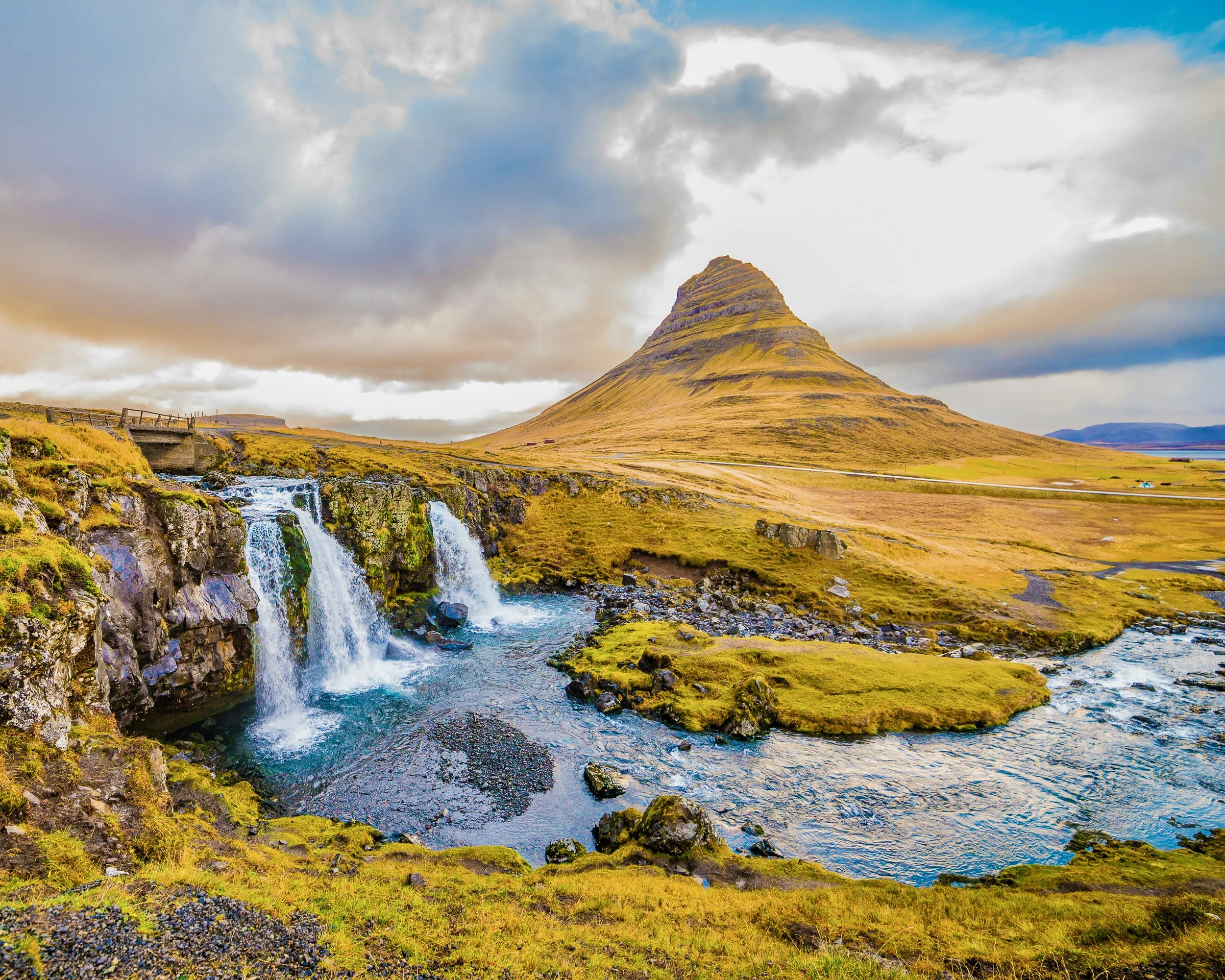
If you are drawn to Chile’s incredible geographical diversity, several global destinations offer a similarly breathtaking natural encounter.
Norway: Swapping Chilean Patagonia’s remote southern wilderness for deep fjords, sheer granite cliffs, cascading waterfalls, and historic coastal fishing villages.
Iceland: Mirroring Chile’s volcanic landscapes, this North Atlantic island pairs lava fields, roaring geysers, and black-sand beaches with massive ice caps and glacial lagoons.
New Zealand: Concentrated diverse terrain onto two compact islands, blending world-class wine valleys, active geothermal vents, and dramatic alpine fjords, glaciers, and hiking trails.
Namibia: A striking parallel to the Atacama Desert, with hyper-arid coastal landscapes, massive orange sand dunes at Sossusvlei, stark salt pans, and fog-shrouded Atlantic shorelines.
Atacama stargazing, a vineyard lunch or waking up in Patagonia?
Tell us which bit of Chile you’re already dreaming about. At WeGalavant, we’ll build your trip around it, handpicking the stays and sorting the details that make it all flow.


BEST THE JOURNAL
of
European Christmas markets transform historic town squares into winter celebrations rooted in centuries-old traditions, regional craftsmanship, and seasonal gastronomy. Germany’s historic cities and towns, from Dresden to Nuremberg, lay the foundation with classic timber chalets, handcrafted wooden folk art, and warm Glühwein. Imperial capitals like Vienna and Prague add fairy-tale backdrops, backdrop light displays, and […]
Beyond the well-known shores of Bali, Indonesia is made up of a vast tapestry of distinct regional identities, untamed nature, spiritual traditions, and vibrant local life across thousands of volcanic islands. Java pulls travelers into its cultural core with towering 9th-century stone monuments, active volcanic peaks like Mount Bromo, and the artistic heritage of Yogyakarta. […]


+ Show / Hide Comments
Share to: