Brazil Doesn’t Do Subtle: WeGalavant’s Guide to the Best Places to Visit in Brazil
November 5, 2026
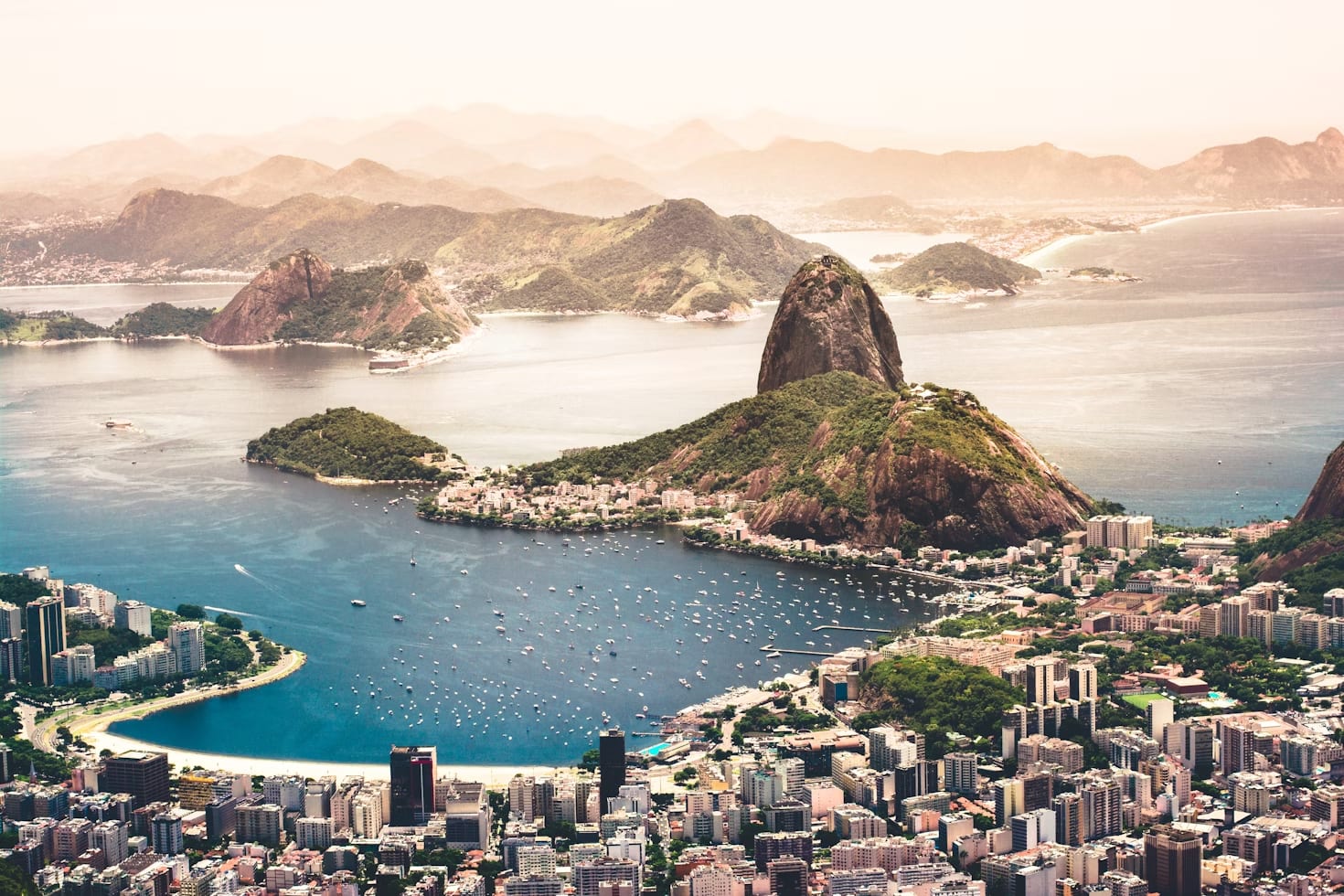
Brazil’s staggering scale and intense beauty is defined by dramatic natural landscapes, deep musical traditions, and vibrant urban energy that exist side by side. Rio de Janeiro’s iconic golden-sand beaches are framed by sheer granite peaks and urban rainforests, while São Paulo operates at a relentless, world-class pace as the nation’s financial center and culinary powerhouse. Farther north, Salvador de Bahia serves as the beating Afro-Brazilian heart of the country with its pastel-colored colonial plazas and rhythmic street drumming, contrasting with the barefoot, low-key luxury of Trancoso’s palm-fringed coast.
Whether it’s historic architecture, idyllic beach escapes, or the legendary spectacle of Carnival, Brazil offers a journey that is culturally profound and unforgettable.
Need to know
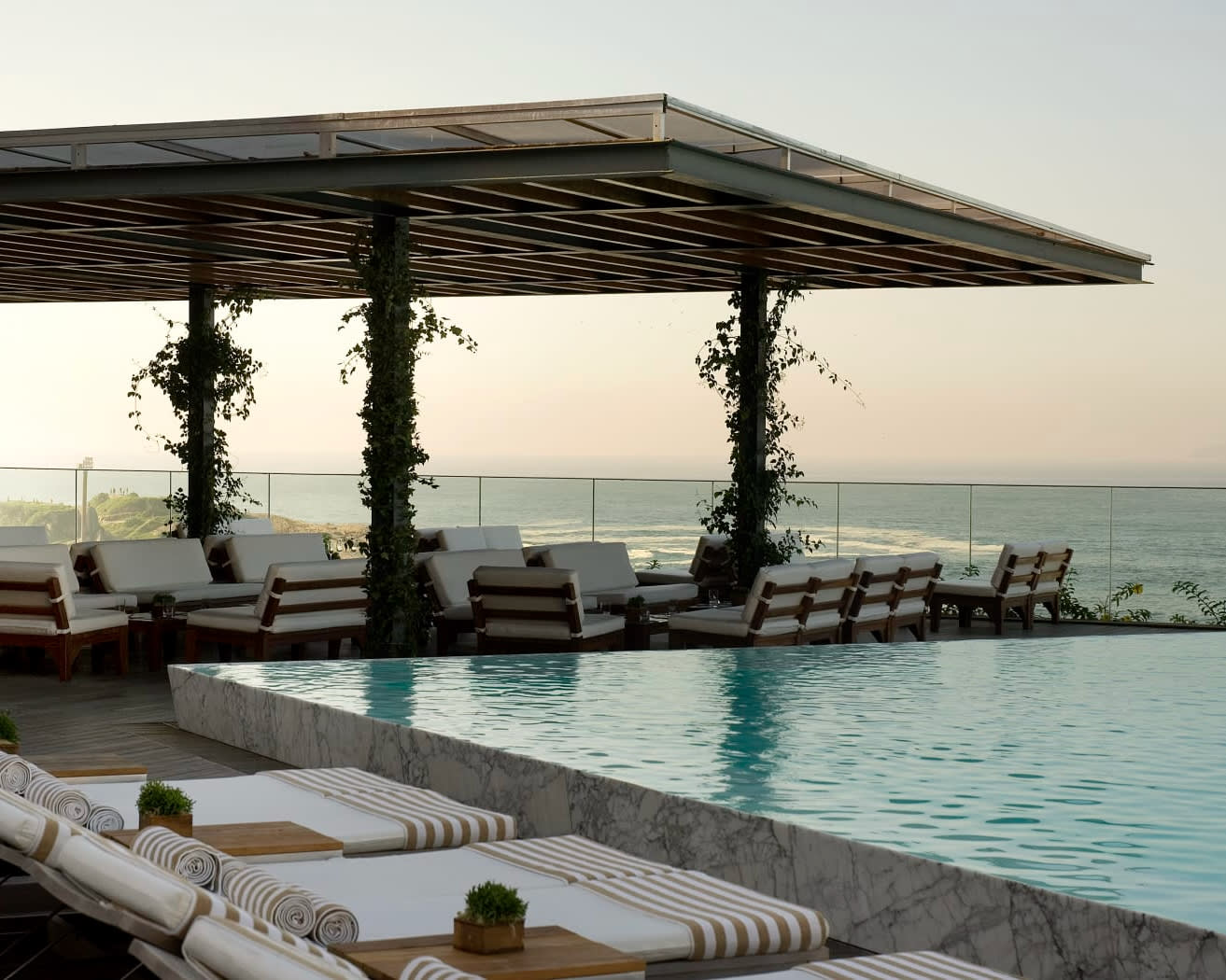
Image courtesy of Hotel Fasano Rio de Janeiro
From vast transit distances and currency nuances to localized safety precautions and seasonal climate shifts, knowing some essential logistics ensures a seamless, stress-free trip.
Currency
The official currency is the Brazilian Real (BRL). Credit and debit cards—as well as contactless mobile payments—are widely accepted, though carrying small amounts of cash is helpful. Tipping is generally modest; a 10% (optional) serviço (service charge) is routinely added to restaurant bills, while rounding up for taxis or tour guides is customary and appreciated. If you need to use an ATM, opt for secure machines inside bank branches or hotels.
Languages
Portuguese is the official language, and making the effort to speak a few words and phrases is warmly received by locals. While English is common in high-end hotels and at major tourist attractions, it is far less widely spoken in everyday neighborhood spots, local markets, and smaller towns—making a translation app or basic phrasebook exceptionally helpful.
- Key phrases: olá or oi (hello), obrigado/obrigada (thank you, male/female), por favor (please), com licença (excuse me), tudo bem? (how are you?), sim/não (yes/no), não falo português (I don’t speak Portuguese), você fala inglês? (do you speak English?)
Airports
São Paulo and Rio de Janeiro serve as Brazil’s primary long-haul gateways, though both have additional airports offering domestic connections. Many intra-Brazil flights will connect back through these cities making it important to know which airport you’re connecting through.
- São Paulo: Guarulhos Airport (GRU) is the city’s main gateway, with flights to Los Angeles, Chicago, and Mexico City. Travelers should budget extra time for São Paulo’s notorious highway gridlock between the city and airport. Campinas (VCP) serves as a secondary hub, with flights across South America, Europe, and connections to Fort Lauderdale and Orlando. Congonhas (CGH) offers more domestic operations.
- Rio de Janeiro: Galeão Airport (GIG) offers flights to New York City, Miami, and Dallas, while Santos Dumont (SDU) connects to cities across Brazil.
- Salvador: Salvador International Airport (SSA) offers domestic and regional routes alongside transatlantic flights to Lisbon, Madrid, and Paris.
- Trancoso: This coastal enclave is accessed via Porto Seguro Airport (BPS), located roughly 90 minutes away.
Transportation
Hiring private drivers or booking guided tours remain your best bet for seamless, hassle-free transportation and sightseeing. Registered taxis are widely available within cities, but avoid unmarked street cabs for safety reasons.
Best time to visit
Brazil is a year-round destination, but the ideal window depends on the region. Summer (December–March) is peak season along the coast, delivering hot, sunny beach days and the high-energy celebrations of Carnival. The shoulder months of April–May and October–November offer mild temperatures with smaller crowds and lower accommodation rates. June–August is generally drier in the Pantanal and parts of the Amazon, while southern Brazil can experience cooler temperatures and more variable weather. Winter (June–September) is Rio’s drier season, with warm days and cooler evenings, while São Paulo requires light layers for some chilly days.
Ideal length of stay
Given the country’s massive geography, seven days is the minimum to pair two cities without spending your entire trip in transit. 10 nights to two weeks is the ideal sweet spot, allowing time to comfortably link three or four major destinations without rushing the experience.
What to wear
Brazil’s climate is predominantly warm and humid, making lightweight linen, light cotton, and quick-dry technical blends an essential starting point. Rio de Janeiro embraces relaxed beachwear by day, though cover-ups are expected once leaving the sand. Salvador skews tropical and colorful, while Trancoso favors barefoot-luxury resort wear. By contrast, São Paulo is more cosmopolitan, where polished smart-casual attire, tailored pants, and dark denim fit right in. Include a light jacket, sweater, or rain shell for winter months. Comfortable, sturdy walking shoes are non-negotiable, as is modest clothing when visiting historic and religious sites.
Travel tips
- Safety and security: Exercise heightened awareness in major urban centers and tourist districts. Keep smartphones, expensive jewelry, high-end cameras, and luxury watches out of sight. Avoid beaches or poorly lit streets after dark, and do not enter favelas.
- Visa requirements: Brazil enforces strict entry requirements, requiring an electronic visa (e-Visa) prior to boarding for many nationalities (including the U.S. and Canada).
- Water and food precautions: Opt for bottled, filtered water, and exercise caution with unpeeled raw fruits and vegetables.
Rio de Janeiro
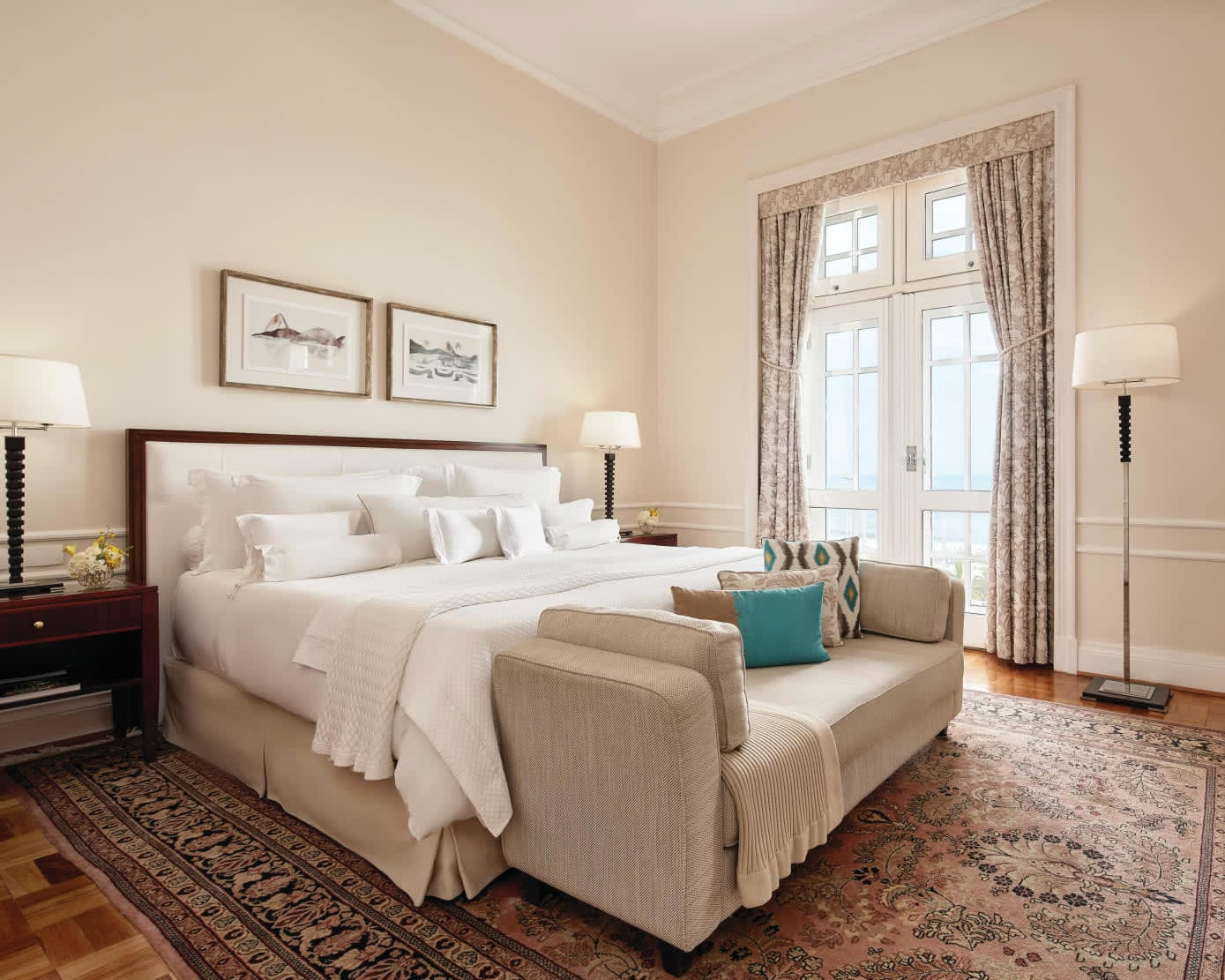
Image courtesy of Copacabana Palace, A Belmond Hotel
Rio de Janeiro sits dramatically between sheer granite peaks and the Atlantic Ocean, blending a vibrant beach culture with urban rainforests. Copacabana frames the iconic golden-sand arc along Avenida Atlântica, with its famous wave-patterned black-and-white stone boardwalk and bustling beach kiosks. Just west, Ipanema delivers a more refined coastal atmosphere, anchored by trendy boutiques, high-end dining, and the sunset gathering point at Arpoador rock. The hilltop neighborhood of Santa Teresa offers a bohemian escape, defined by winding cobblestone streets, grand 19th-century mansions, art studios, and the historic yellow bondinho (tram) rattling over the Lapa Arches. Overlooking it all from the surrounding peaks are the iconic Christ the Redeemer, set within Tijuca National Park atop Corcovado, and the Sugarloaf cable car, with sweeping views of Guanabara Bay.
Where to stay
Copacabana Palace, A Belmond Hotel: This iconic 1923 landmark overlooking Copacabana Beach remains a grand and glamorous address. Travelers can enjoy a massive semi-Olympic pool, Michelin-starred dining, and polished, high-touch hospitality.
- Perks include up to a $200 hotel credit, daily breakfast, welcome amenity, and an upgrade whenever possible.
Hotel Fasano Rio de Janeiro: Positioned directly on Ipanema Beach, this mid-century modern sanctuary, famous for its rooftop infinity pool and bar overlooking Two Brothers mountain, attracts an ultra-stylish international crowd.
- Perks include a 50-minute massage for two, daily breakfast, an upgrade, and extended check-in/out whenever possible.
Santa Teresa Hotel – MGallery Collection: Housed in a restored 1850s coffee plantation estate atop Santa Teresa’s bohemian hills, this tranquil retreat trades trades beachfront for tropical gardens and panoramic views over the city and Guanabara Bay, complete with a secluded pool and an acclaimed spa.
- Perks include a $100 hotel credit, daily breakfast, an upgrade, and extended check-in/out whenever possible.
Janeiro Hotel: Located on the quieter sands of Leblon, this design-driven boutique hotel emphasizes understated eco-luxury. Light-filled rooms, clean timber finishes, and panoramic ocean views are complemented by its buzzy rooftop pool deck.
- Perks include daily breakfast, complimentary bicycle use, beach workout classes, exclusive beach service, an upgrade, and extended check-in/out whenever possible.
São Paulo
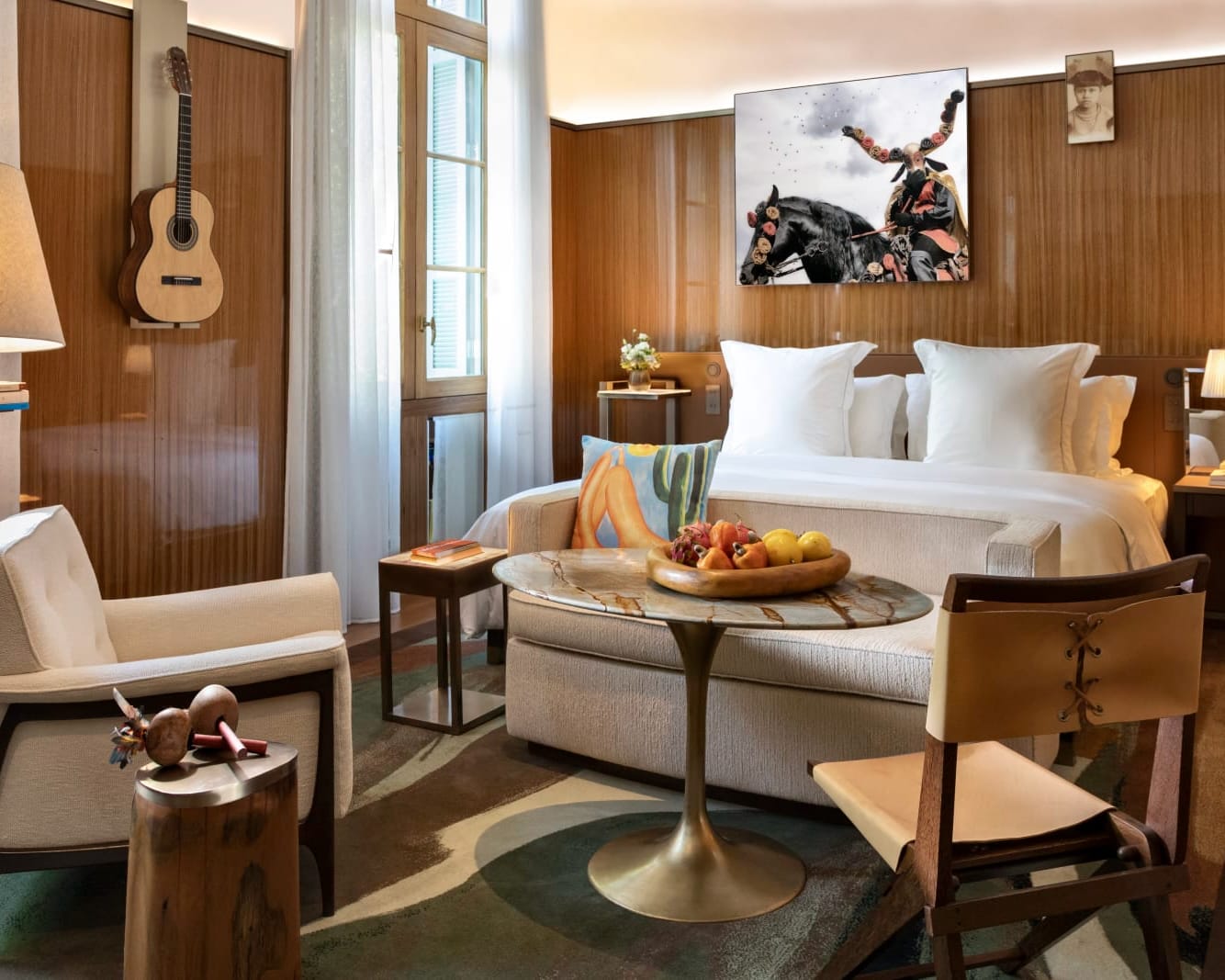
Image courtesy of Rosewood Sao Paulo
São Paulo operates with relentless urban energy, iconic architecture, and world-class dining. Avenida Paulista serves as the city’s main corridor, anchored by the striking suspended glass box of the São Paulo Museum of Art (MASP), financial towers, and pedestrian promenades. The leafy, upscale neighborhoods of Jardins and Pinheiros host the country’s most acclaimed fine-dining restaurants, cocktail bars, and independent design boutiques. Vila Madalena provides a creative, bohemian counterpoint with its mural-covered Beco do Batman alleyway and lively neighborhood botecos (bars). Further east, Liberdade forms the vibrant epicenter of the city’s large Japanese community, filled with traditional lantern-lined streets, ramen shops, and street food markets. For a breath of green, Ibirapuera Park pairs expansive lawns and walking paths with modernist structures designed by Oscar Niemeyer.
Where to stay
Hotel Fasano São Paulo: Set in the leafy, upscale Jardins neighborhood, this flagship refuge exemplifies classic Italian elegance with exposed brickwork, dark wood, and leather interiors that make it an enduring favorite for international business and luxury travelers.
- Perks include a 50-minute massage for two, daily breakfast, an upgrade, and extended check-in/out whenever possible.
Rosewood São Paulo: This ambitious property sits within the Cidade Matarazzo complex near Avenida Paulista. Featuring indoor gardens, Philippe Starck interiors, a comprehensive art collection, and five distinct restaurants and bars, it serves as a dynamic cultural hub.
- Perks include a $100 food and beverage credit, daily breakfast, welcome amenity, an upgrade, and extended check-in/out whenever possible.
Palácio Tangará, Oetker Hotels: Tucked within the canopy of Burle Marx Park, this grand European-style mansion offers a secluded urban resort. Expansive guest rooms, indoor and outdoor pools, a serene Sisley spa, and fine dining create an estate-like retreat.
- Perks include a $100 food and beverage credit, daily breakfast, welcome amenity, an upgrade, and extended check-in/out whenever possible.
Hotel Unique: This striking copper-and-concrete landmark in Jardins resembles an inverted ship’s hull. Its crown jewel is Skye, the high-octane rooftop pool, bar, and restaurant that delivers sweeping 360-degree views across the São Paulo skyline and Ibirapuera Park.
- Perks include a $100 hotel credit, daily breakfast, welcome amenity, an upgrade, and extended check-in/out whenever possible.
Salvador
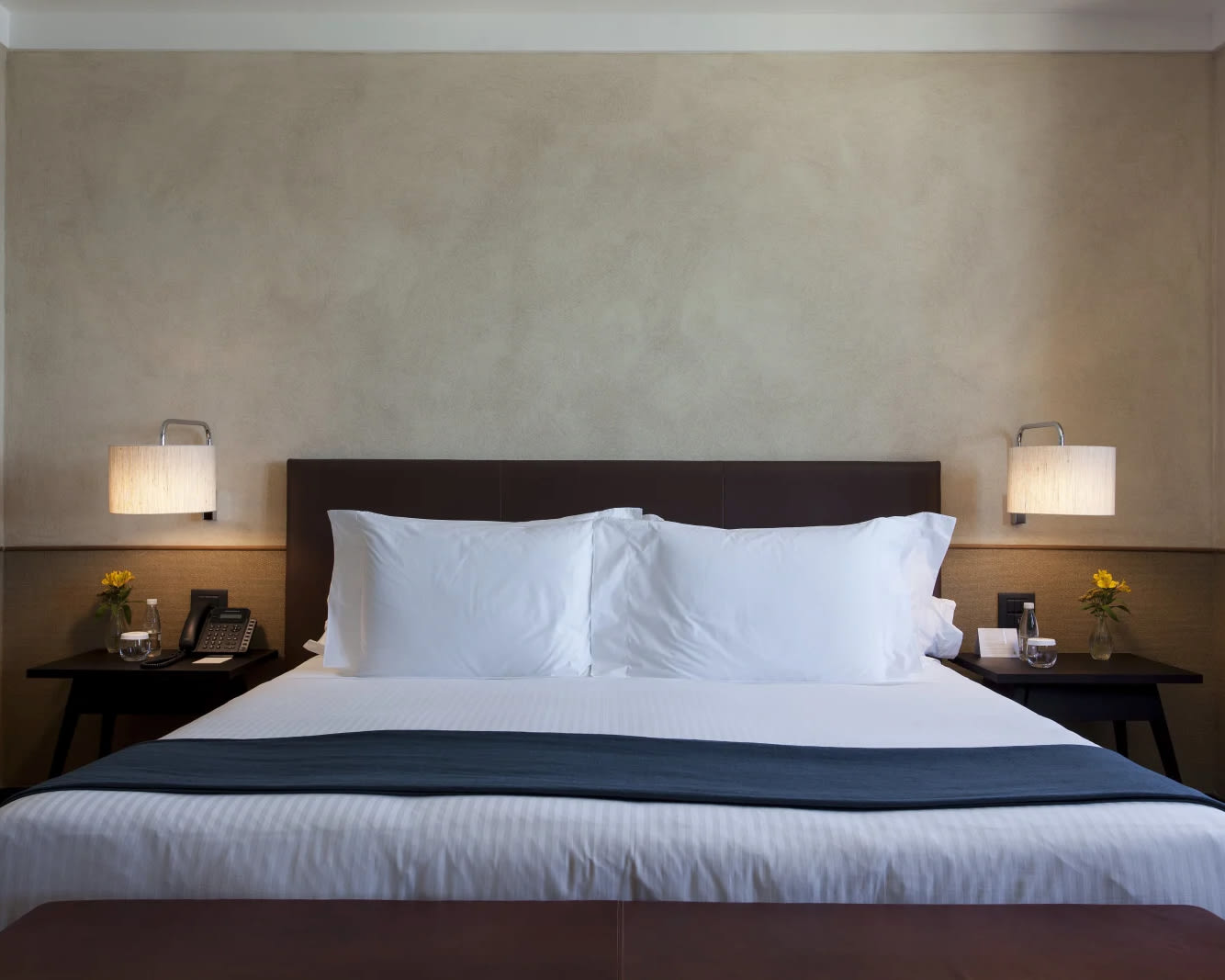
Image courtesy of Hotel Fasano Salvador
Salvador de Bahia serves as the vibrant soul of Afro-Brazilian culture, perched along the sweeping All Saints Bay with a rich tapestry of music, dance, and culinary tradition. The historic upper city, Pelourinho, the heart of the UNESCO-listed Historic Centre of Salvador, is defined by pastel-colored architecture, cobblestone plazas, and gilded churches like the opulent Church of São Francisco. Streets resonate with the rhythmic beats of Olodum drummers, spontaneous capoeira circles, and street food vendors. The Art Deco Elevador Lacerda connects the upper historic quarter directly to the lower city and the Mercado Modelo, a bustling waterfront market for local crafts. Further along the coastline, the Farol da Barra lighthouse anchors popular urban beaches, serving as an iconic vantage point for Atlantic sunsets and the starting point of the Barra–Ondina Carnival circuit.
Where to stay
Hotel Fasano Salvador: Overlooking All Saints Bay from its landmark 1930s Art Deco building, this address pairs classic elegance with Bahian heritage. A rooftop infinity pool, a spa, and a signature Italian-Bahian restaurant make it a relaxing escape in the historic center.
- Perks include a 50-minute massage for two, daily breakfast, an upgrade, and extended check-in/out whenever possible.
Trancoso
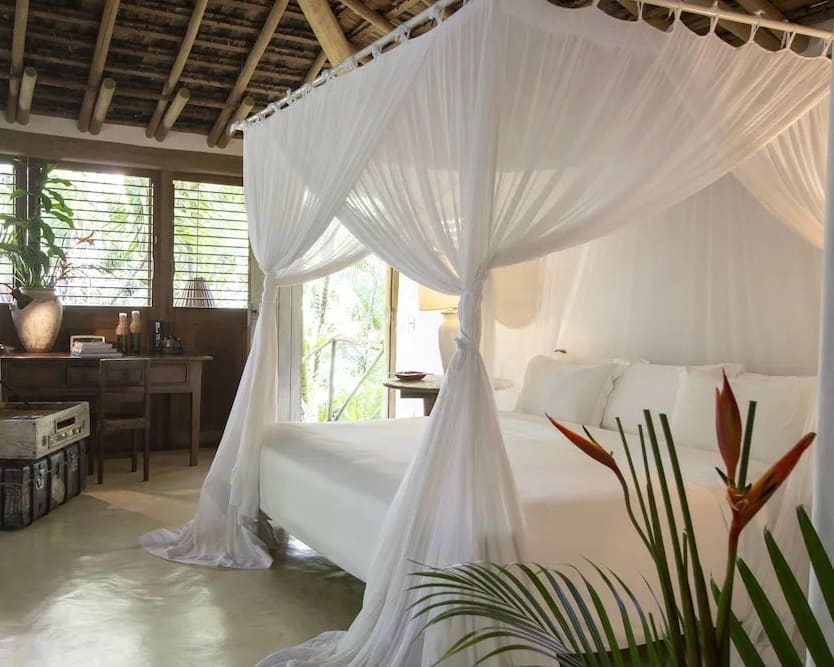
Image courtesy of Uxua Casa Hotel & Spa
Trancoso balances rustic bohemian charm with low-key luxury, anchored by its famous Quadrado—an expansive, car-free grassy village square framed by colorful traditional houses and the white São João Batista church overlooking the Atlantic. As the sun sets, lanterns illuminate the square, turning the historic cottages into upscale boutiques, candlelit open-air restaurants, and stylish cocktail bars under the shade of massive mango trees. Below the cliffside village, wooden walkways and sandy paths lead down to wide, palm-fringed beaches like Praia dos Coqueiros and Praia dos Nativos, where relaxed beach clubs serve fresh seafood and chilled coconut water against calm, warm ocean waters.
Where to stay
Hotel Fasano Trancoso: Tucked along a quiet, pristine stretch of Itapororoca Beach, this minimalist compound blends low-slung architecture with native Atlantic Forest. Private bungalows, two ocean-facing pools, and two restaurants, including the beachfront Praia Trancoso, complete the retreat.
- Perks include a 50-minute massage for two, daily breakfast, an upgrade, and extended check-in/out whenever possible.
Uxua Casa Hotel & Spa: This eco-luxury retreat consists of restored centuries-old fishermen’s casas on the Quadrado and newer garden casas. An emerald-green quartz pool, an organic spa, and a beach lounge deliver the ultimate barefoot luxury experience.
- Perks include daily breakfast, one-way private airport transfer, one special lunch tasting menu, and extended check-in/out whenever possible.
Club Med Trancoso: Situated atop dramatic red cliffs, this expansive, all-inclusive resort caters to families and active travelers with outstanding kids’ clubs, access to the nearby clifftop Terravista Golf Course, trapeze facilities, and direct beach access via a scenic footbridge.
Iguazú Falls
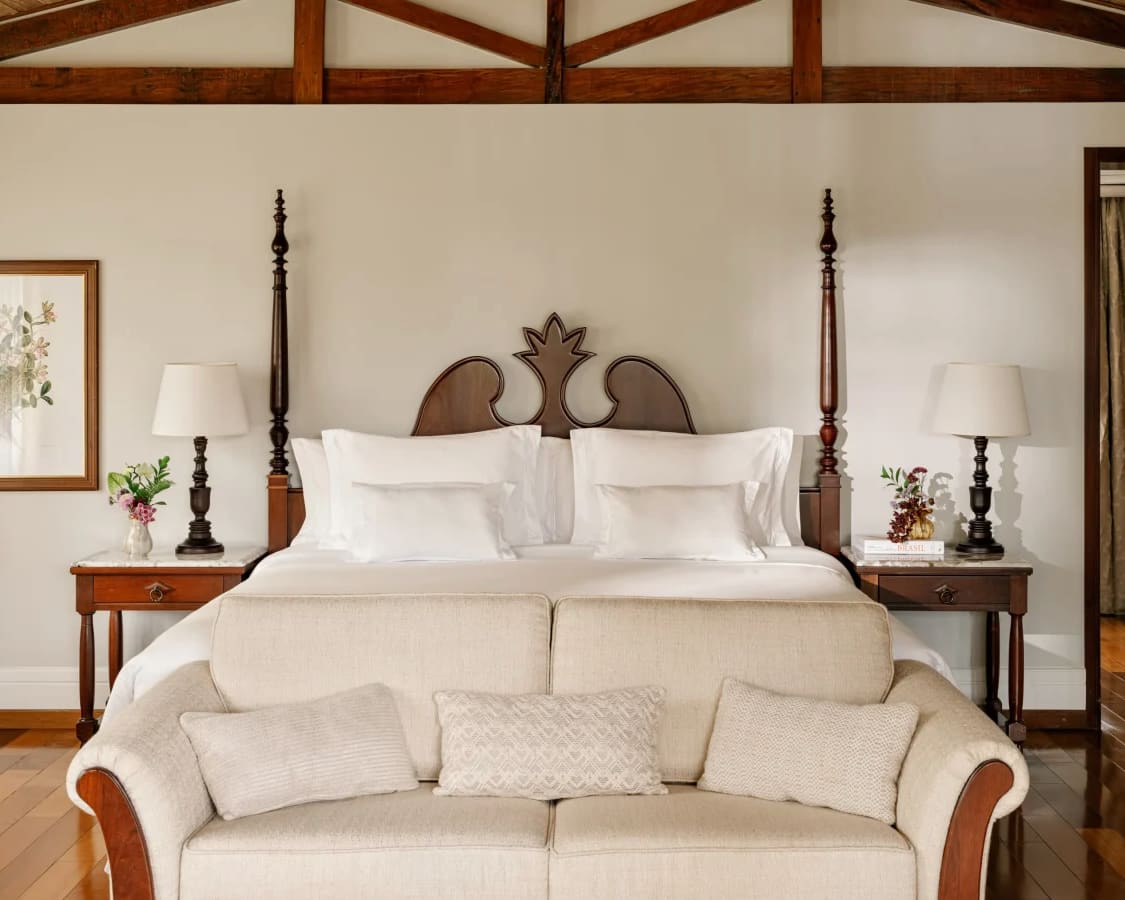
Image courtesy of Hotel das Cataratas, A Belmond Hotel
Iguazú Falls sits on the border of Brazil and Argentina, where a subtropical rainforest splits to reveal one of the most powerful natural wonders on earth. The Brazilian side in Foz do Iguaçu provides the essential macro view: a single main walkway tracing the canyon edge, delivering sweeping vistas across the cascades. The trail culminates on an elevated boardwalk extending directly into the Devil’s Throat (Garganta do Diabo), where water plunges into a U-shaped chasm. Beyond the primary walking route, Macuco Safari jet boats ride into the base of the falls, helicopters fly overhead, and local wildlife sightings include toucans, coatis, and butterflies.
Where to stay
Hotel das Cataratas, A Belmond Hotel: As the only hotel inside Brazil’s Iguaçu National Park, this classic 1950s Portuguese-style pink palace offers a heated outdoor pool, fine dining, a serene spa, and exclusive access to the falls before and after the park closes to the public.
- Perks include up to a $200 hotel credit, daily breakfast, welcome amenity, and an upgrade whenever possible.
Cruising to and around Brazil
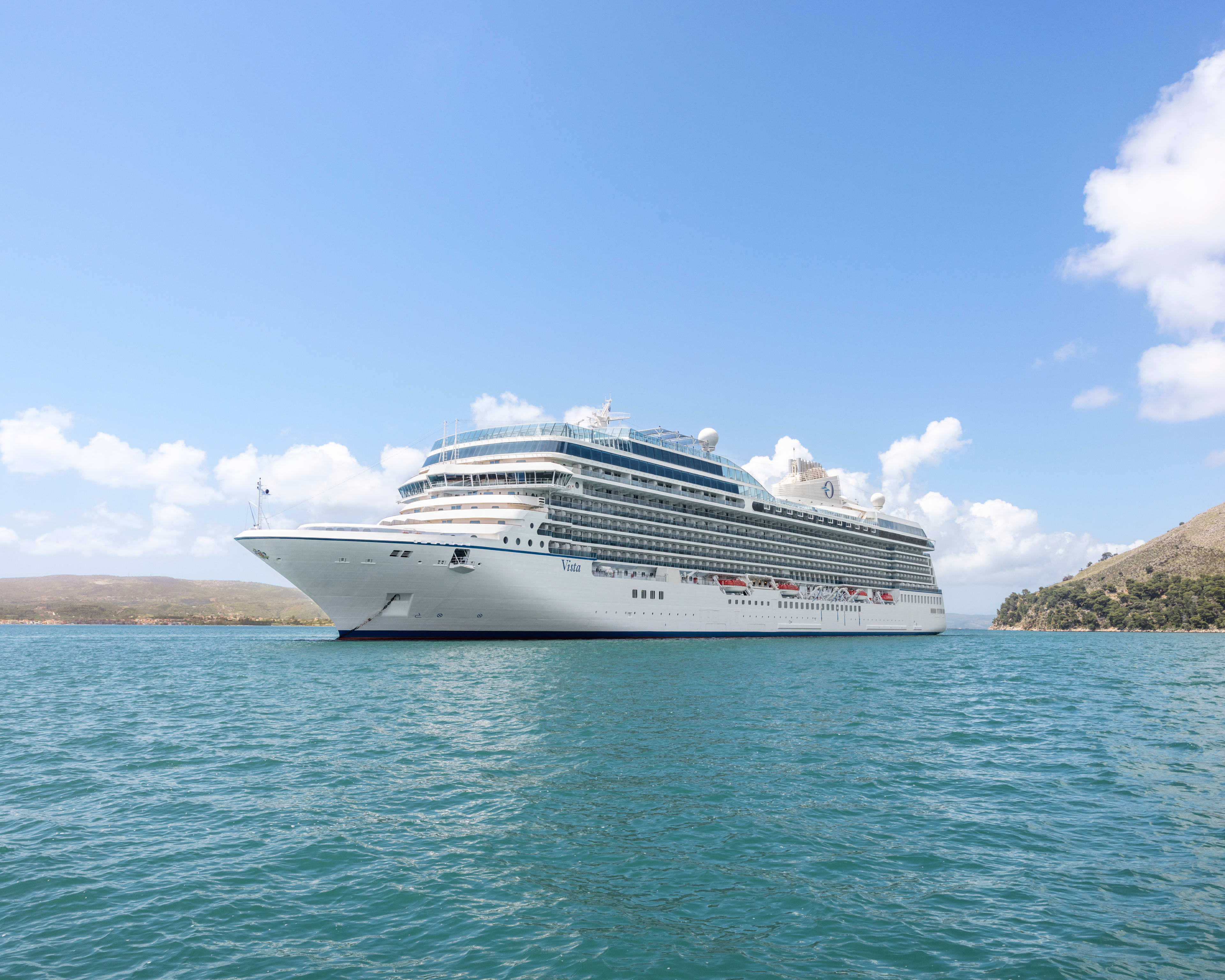
Image courtesy of Oceania Cruises
Cruising offers a compelling way to explore Brazil’s vast, 4,600-mile Atlantic coastline and Amazon Basin. Rio de Janeiro serves as a premier cruise hub, functioning as both a major embarkation point and a headlining port of call where ships dock near the vibrant downtown museum district.
Ocean itineraries typically run along the coast, connecting industrial commercial hubs like Santos (roughly two hours from São Paulo), and Afro-Brazilian cultural capitals of Recife and Salvador. Scenic colonial stops such as Paraty and the island paradise of Ilhabela require tendering. Farther north, vessels navigate the Amazon River, dropping anchor at riverine ports like Alter do Chão, with its white-sand river beaches, and the jungle metropolis of Manaus.
Itineraries to and around Brazil generally fall into three distinct routing styles. South America coastal sailings range from short mini-cruises to 18+ nights; many luxury sailings run between Rio de Janeiro and Buenos Aires, combining urban highlights like Salvador and Santos with scenic beach towns. Amazon River voyages (seven to 30+ nights) offer an immersive natural focus, navigating the waterways from the Caribbean and Atlantic into dense jungle tributaries. Grand Voyages and World Cruises (30 to over 100 nights) typically include an overnight stop in Rio for bucket list travels.
Notable cruise lines
Azamara Cruises: Known for its “Destination Immersion” focus, this upscale line offers late-night and overnight stays on its small, club-like ships in order to experience local culture and nightlife long after traditional cruise ships have departed.
- Perks include up to $200 shipboard credit per stateroom on select voyages. Virtuoso Voyages Hosted Benefits also available on select sailings.
Viking Cruises: Viking combines some Caribbean sailings with Amazon River stops. The line’s understated, Scandinavian-designed ships offer an adult-centric, inclusive experience complete with guided shore excursions, enrichment lectures, and private verandas in every stateroom.
- Perks include up to $200 onboard credit per stateroom on select sailings.
Regent Seven Seas Cruises: This ultra-luxury, all-inclusive line weaves Brazil into South American coastal sailings, Amazon River journeys, and multi-month World Cruises with all-suite accommodations, gourmet dining, and complimentary shore excursions.
- Virtuoso Voyages Hosted Benefits available on select sailings.
Oceania Cruises: Destination-focused and culinary-centric, Oceania often combines Brazilian ports with world voyages, Caribbean sailings, and Antarctic voyages. Ships feature a refined, unpretentious atmosphere, spacious cabins, and some of the finest cuisine at sea.
- Virtuoso Voyages Hosted Benefits available on select sailings.
MSC Cruises: As the dominant player along the Brazilian coastline, this operator delivers European styling, water parks, multi-course dining, and the exclusive MSC Yacht Club enclave for an upgraded luxury refuge with private dining and dedicated butler service.
Brazil’s history and culture
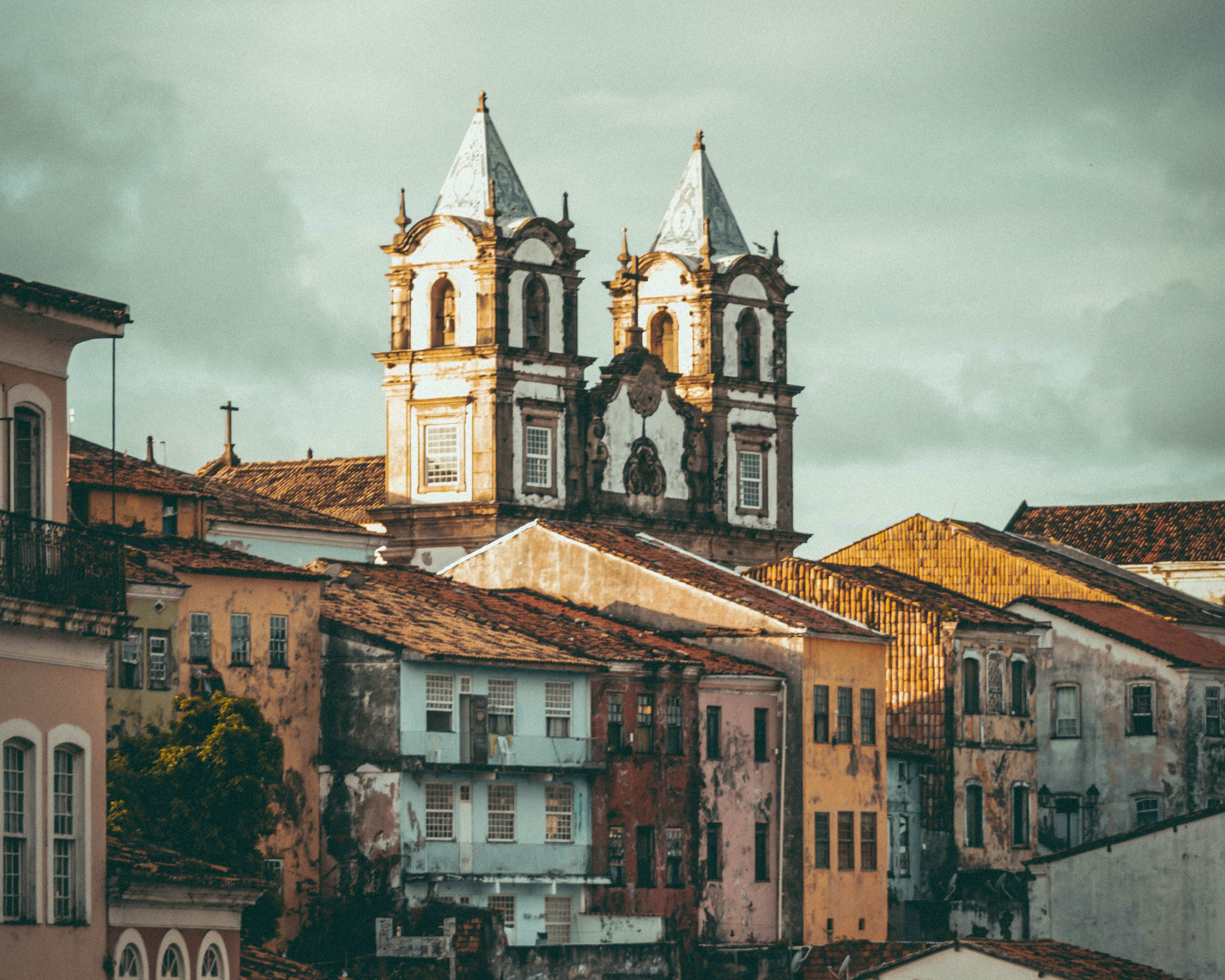
Indigenous peoples like the Tupi, Guarani, and Yanomami inhabited the lands of the Amazon Basin to the Atlantic coast. They maintained complex agricultural, hunter-gatherer, and trade networks before Portuguese colonization brought enslaved Africans and established lucrative sugar (16th–17th century), gold (18th century), and coffee (19th century) economies. Enslaved peoples mounted sustained resistance, including uprisings and establishing independent, autonomous free-settlements known as quilombos. Slavery was abolished in 1888, and waves of Italian, German, Japanese, and Middle Eastern immigration in the 19th and early 20th centuries further diversified the population.
Out of this complex history has emerged a vibrant national culture profoundly shaped by Afro-Brazilian and Indigenous heritage. In the mid-20th century, modernism reshaped the country’s public face—from the mid-century smooth melodies of bossa nova to Oscar Niemeyer’s radical, utopian architecture in the newly constructed capital of Brasília. From the sacred religion of Candomblé and the Afro-Brazilian martial art of capoeira to the culinary traditions of dendê oil and feijoada, the country’s artistic, musical, and social fabric reflects a living legacy of endurance and reinvention.
Signature food and drinks
- Feijoada: Brazil’s national dish is a rich, slow-simmered black bean stew packed with salted beef, pork cuts, and smoked sausage, traditionally served alongside white rice, garlicky sautéed collard greens, farofa (toasted cassava flour), and fresh orange slices
- Pão de Queijo: Golden, bite-sized rolls featuring a light, crispy outer crust and a chewy, airy interior, made from tapioca flour and sharp regional cheese
- Churrasco: Gaucho-style barbecue—most notably picanha (top sirloin cap)—seasoned with coarse salt and roasted over open charcoal or wood fires on long metal skewers
- Brigadeiro: A rich, fudgy chocolate truffle crafted from condensed milk, cocoa powder, and butter, rolled into small balls and coated in chocolate sprinkles
- Açaí bowls: Harvested from the native palm trees of the Amazon, this deep-purple fruit puree is served thick and chilled like a sorbet, and commonly topped with banana and granola, and often strawberries and condensed milk.
- Caipirinha: The national cocktail combines muddled fresh limes and sugar over crushed ice, finished with a generous pour of cachaça—a fiery, aromatic spirit distilled directly from fermented sugarcane juice
Cultural celebrations and events
- Carnival (February or March, nationwide): Brazil’s defining national spectacle leading up to Ash Wednesday defined by lavish samba parades, sound trucks, and sprawling neighborhood block parties.
- Festival de Parintins (June, Parintins): A three-night theatrical festival dramatizing the boi-bumbá folk tale alongside Amazonian and Indigenous legends through an annual competition between rival teams—Garantido (red) and Caprichoso (blue)—with puppets, elaborate floats, and traditional toada folk music.
- Festa Junina (June, nationwide): Originating from European harvest traditions and Saint John’s Day, communities decorate streets, dress in traditional attire, and host quadrilha square dances around bonfires.
- Rock in Rio (every other September, Rio de Janeiro): One of the world’s largest music festivals transforms the Cidade do Rock across several days with multiple stages hosting major global and Brazilian acts.
- Oktoberfest Blumenau (October, Santa Catarina): Set in the southern state of Santa Catarina, South America’s largest German festival highlights the region’s 19th-century European heritage with folk dance troupes, traditional outfits, and craft beer gardens.
- Reveillon / New Year’s Eve (December 31, nationwide): Millions gather along the shorelines—most famously Copacabana Beach in Rio—dressed in white for peace in the coming year and jump seven ocean waves at midnight for good luck.
What to do in Brazil
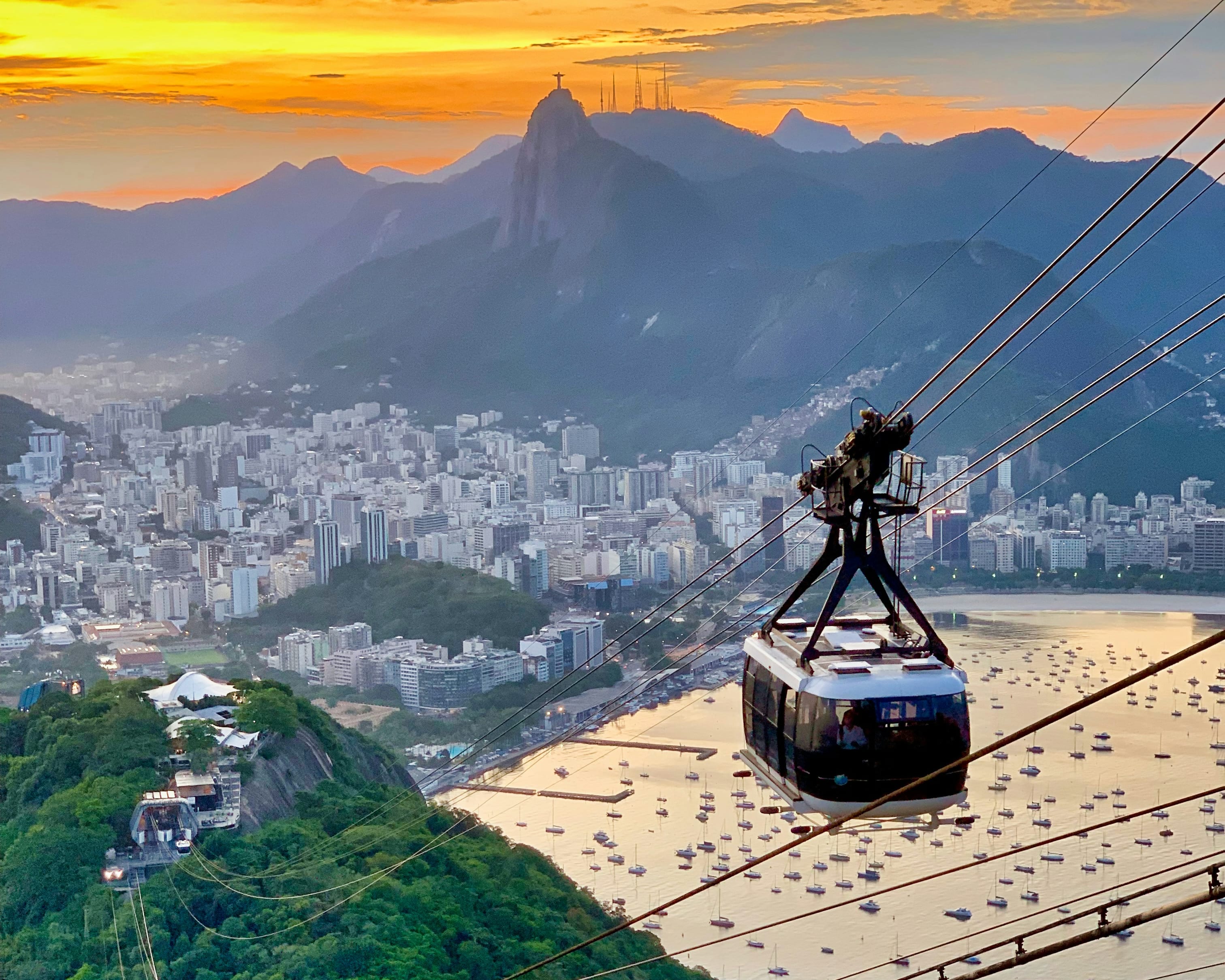
Iconic landmarks, Afro-Brazilian street rhythms, and sun-drenched beaches, Brazil offers an exhilarating mix of natural wonder and cultural depth.
Rio de Janeiro
- Corcovado: Ride the historic, century-old rack railway through the dense Tijuca National Park to the summit of Corcovado Mountain, crowned by the 98-foot Art Deco statue of Christ the Redeemer and offering unmatched, 360-degree views.
- Sugarloaf Mountain: Ride the glass cable car to the summit of Sugarloaf to watch the sun set behind Christ the Redeemer, with views over Guanabara Bay and Copacabana.
- Hang gliding: Launch off a wooden ramp at Pedra Bonita, soaring above mountain slopes and luxury beachfront estates before landing on Pepino Beach.
- Helicopter tour: Take off over the Marvelous City for an aerial perspective of Rio’s famous beaches, iconic landmarks, and dramatic mountains.
- Jardim Botânico: Founded in 1808, this tranquil 130-acre sanctuary showcases over 6,500 species of tropical flora, and wild toucans and marmosets in the treetops.
- Feira Hippie de Ipanema: Taking over Praça General Osório every Sunday, Rio’s largest open-air arts and crafts market features hundreds of local artisans selling leather goods, hand-painted canvases, semi-precious gem jewelry, and regional clothing.
- Nightlife: Gather under the grand white arches of the Lapa Aqueduct and explore traditional live samba halls like Rio Scenarium.
- Beaches: People-watch along the bustling boardwalk of Copacabana, join locals playing footvolley on the sands of Ipanema, or enjoy a calmer, upscale beach day in Leblon.
- Museums: Head to the Museum of Tomorrow for a look at sustainability and science, and the Rio Art Museum (MAR) for engaging contemporary exhibitions celebrating the city’s rich history and social fabric.
São Paulo
- Museums: Immerse yourself at São Paulo Museum of Art (MASP), famous for its iconic glass-and-red-concrete structure suspended above an open plaza on Avenida Paulista. Explore 19th-century and contemporary Brazilian art at the historic Pinacoteca, or visit Oscar Niemeyer’s Pavilhão da Bienal, host of the world-renowned São Paulo Art Biennial.
- Art Galleries: Navigate the city’s thriving gallery scene, like Casa Triângulo (a pioneering contemporary gallery known for experimental work since 1988), DAN Galeria (offering an eclectic mix of modern Brazilian artists), and Zipper Galeria (showcasing energetic emerging talent).
- Japan House: This sleek cultural center celebrates contemporary Japanese art, technology, design, and gastronomy, honoring São Paulo’s status as home to the largest ethnic Japanese population outside of Japan.
- Shopping: Explore the leafy Rua Oscar Freire, lined with fashion flagships, Brazilian designer boutiques, and open-air cafés. Visit Shopping Iguatemi—Brazil’s oldest shopping mall—for luxury brands, fine dining, and upscale personal shopping services.
- Ibirapuera Park: Unwind in São Paulo’s premier green oasis for scenic walking and cycling paths, shaded lawns and lakes, and several major cultural institutions, including the Afro Brasil Museum and the Museum of Modern Art (MAM).
Salvador
- Pelourinho Historic Center: Wander the cobblestone streets and steep hills of this UNESCO World Heritage historic quarter, lined with pastel-colored historic architecture, artisan workshops, and street performers.
- Churches and monasteries: Visit the Monastery of São Bento, established in 1582 as the first Benedictine monastery in the Americas. Nearby, the Church and Convent of São Francisco, famous for its gold-leaf interior and blue azulejo tiles, is closed for restoration and projected to reopen in 2029.
- Elevador Lacerda: Ride this iconic 236-foot urban elevator, built in 1873 and renovated in the 1930s to its distinctive Art Deco form, connecting the historic Upper Town (Cidade Alta) with the Lower Town (Cidade Baixa).
- Mercado Modelo: This bustling historic market features hundreds of stalls selling Bahian handicrafts, lace, wooden carvings, leather goods, and local souvenirs.
- Afro-Brazilian music and culture: Immerse yourself in the UNESCO Creative City of Music through its distinct genres: high-energy Axé pop, powerful percussion-heavy Samba-Reggae, the revolutionary 1960s Tropicalismo sound, and sacred Candomblé-inspired Afoxé rhythms played during street processions.
Trancoso
- Beaches: Walk down Praia dos Coqueiros to relax in calm, warm natural tide pools framed by coconut palms, visit Praia dos Nativos where the Trancoso River flows into the Atlantic for kayaking and stand-up paddleboarding, or take a day trip to Praia do Espelho to marvel at its dramatic multi-colored cliffs and crystal-clear reef pools.
- The Quadrado: Stroll through Trancoso’s massive, grass-covered public square lined with brightly painted historic fishermen’s cottages (casinhas) that transform after dusk into candlelit boutique shops, art galleries, and open-air restaurants.
- São João Batista Church: Visit this simple, whitewashed 17th-century church at the edge of the cliff overlooking the ocean.
- Praia de Itaquena: Hike or horseback ride to this wild, protected stretch of coast within an environmental preservation area, serving as a crucial nesting site for sea turtles.
Where to eat in Brazil
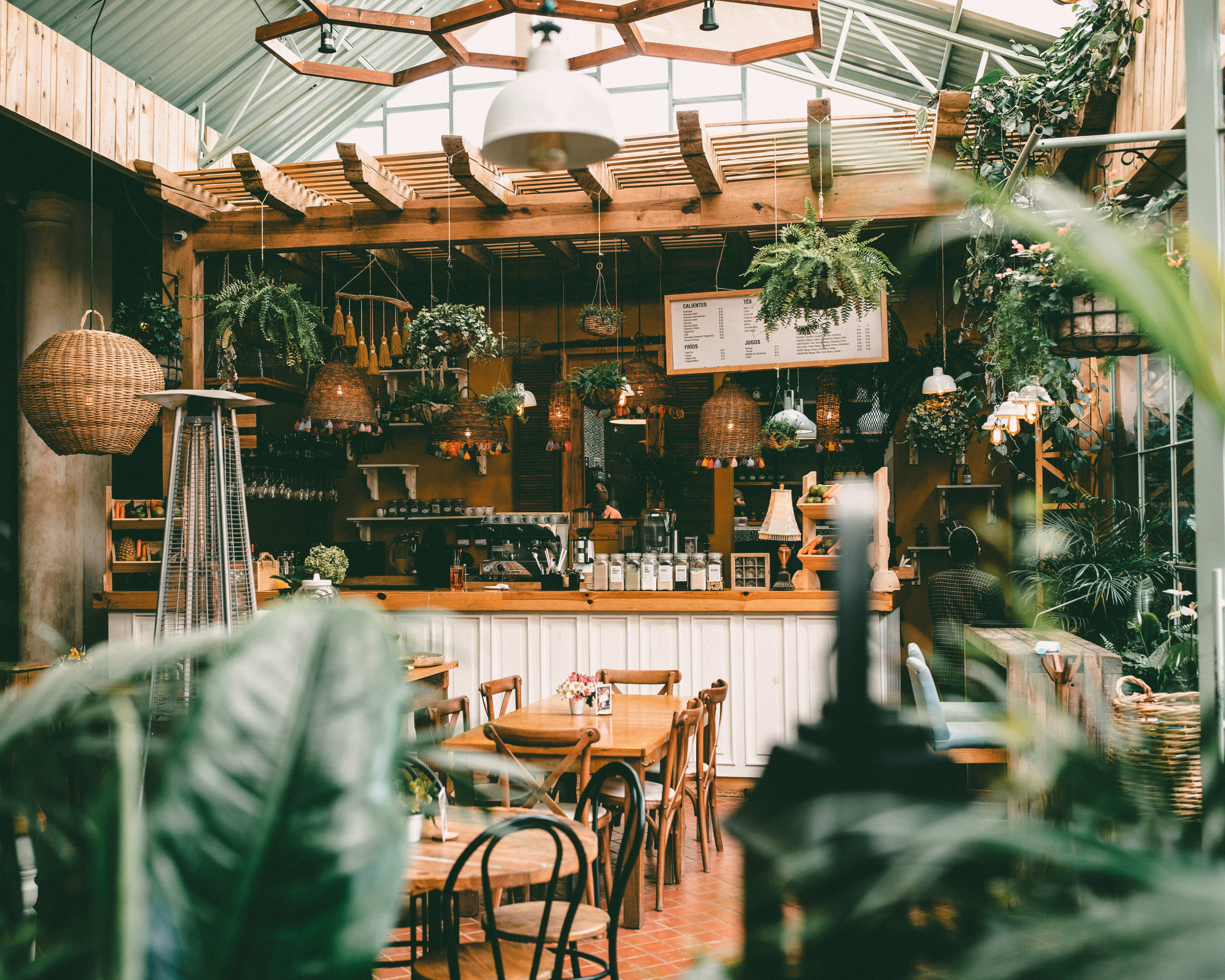
Brazil’s dining scene is a world-class culinary landscape that spans everything from Michelin-starred fine dining to neighborhood botecos, high-end sushi bars, and wood-fired steak houses.
Rio de Janeiro
- Oseille: A 16-seat fine-dining experience around an open central kitchen with no physical menu, showcasing modern cuisine built on French technique and seasonal Brazilian ingredients.
- Maria e o Boi: This laid-back, contemporary steakhouse reimagines traditional Brazilian meat culture with inventive regional sides.
- Miam Miam: Set inside a beautifully restored 1930s townhouse in Botafogo, chef Roberta Ciasca serves comfort food with a modern twist.
- Café 18 do Forte: Set inside the historic Copacabana Fort, this oceanfront brunch spot is famous for panoramic views, fresh pastries, and artisanal Brazilian coffees.
- Lasai: A sleek, intimate space with an open kitchen serving a daily-changing tasting menu driven by organic produce from the chef’s own gardens.
- Oro: Centered around open-fire cooking, this hotspot serves up two distinct tasting menus that transform Brazilian ingredients into visually stunning, bite-sized creations.
- Braseiro da Gávea: A beloved, high-energy neighborhood staple famous for its unpretentious vibe and expertly grilled meats.
- Malta Beef Club: This acclaimed steakhouse focuses on dry-aged, prime cuts of beef sourced from top producers across Brazil and Uruguay.
- Haru: An acclaimed, unpretentious sushi bar is widely considered one of Rio’s best destinations for authentic Japanese cuisine.
- Pope Ipanema: A stylish, design-forward trattoria pairing contemporary Italian comfort food with a lively, beachside social scene.
São Paulo
- A Figueira Rubaiyat: This iconic hotspot is built around a century-old Bengal fig tree, serving up premium grass-fed beef and fresh seafood.
- A Casa do Porco: A high-energy downtown eatery offering up a multi-course tasting menu of artisanal charcuterie, wood-roasted whole pig, and creative nose-to-tail dishes.
- Evvai: A three-Michelin-starred eatery for innovative “Oriundi” cuisine, celebrating the historical and culinary intersection of Italian tradition and native Brazilian ingredients.
- D.O.M.: This legendary two-Michelin-starred flagship pioneered modern Brazilian cuisine by introducing native Amazonian ingredients to the global fine-dining stage.
- Maní: This Michelin-starred outfit offers a delicate, artful exploration of modern Brazilian flavors in a serene white townhouse with a rich courtyard.
- Modern Mamma Osteria: A vibrant, perpetually packed Italian hotspot that’s famous for elevated comfort food.
- Jequitibá: Celebrating authentic Brazilian regional cooking with a polished, modern touch, this acclaimed spot showcases traditional comfort food from across the country.
- Keito: This low-key, highly respected Japanese institution offers an authentic, traditional dining experience of sashimi, omakase courses, and classic hot dishes.
- Tan Tan: This trendy bar combines Japanese and East Asian street food alongside an award-winning cocktail program in a sleek, dimly lit space.
- Chimichurri Parrilla: Set in a relaxed, industrial space, this unpretentious Argentine-style parrilla serves wood-fired steaks, empanadas, and choripán sandwiches.
Salvador
- Origem: Dedicated entirely to regional Bahian gastronomy, this restaurant’s seasonal tasting menu showcases local produce, sustainable seafood, and indigenous ingredients.
- Amado: Perched over the waters of All Saints Bay in a restored historic warehouse, sweeping ocean views are paired with elevated coastal Brazilian dining.
- Restaurante Casa de Tereza: This vibrant, art-filled restaurant functions as an Afro-Brazilian comfort food hotspot filled with Bahian art and rotating exhibitions.
- Coco Bambu: This high-energy seafood restaurant is famous for its extensive menu of family-style platters.
- Soho: Set on the Bahia Marina pier with glass floor panels, contemporary Japanese cuisine is offered up in a sleek, modern spot with a romantic sunset backdrop.
Trancoso
- Restaurante Zukka: Located near the historic Quadrado, Zukka cooks up a menu of seafood, handmade pasta, and grilled meats infused with local Bahian flavors.
- Benito Café e Restaurante: A cozy, stylish hub serving artisanal coffees and fresh juices by morning, before transitioning into a Mediterranean-inspired bistro by night.
- Almar Trancoso: A refined, oceanfront dining experience focused on fresh, fire-grilled seafood, local produce, and chilled wines.
- Capim Santo Trancoso – Pousada e Restaurante: Tucked into a tropical garden on the Quadrado, pioneering elevated Bahian-fusion dining.
- Restaurante Casa Rabanete Trancoso: Situated right on Trancoso’s iconic Quadrado, this charming spot is famous for its buffet of Bahian comfort food.
Trips to add on
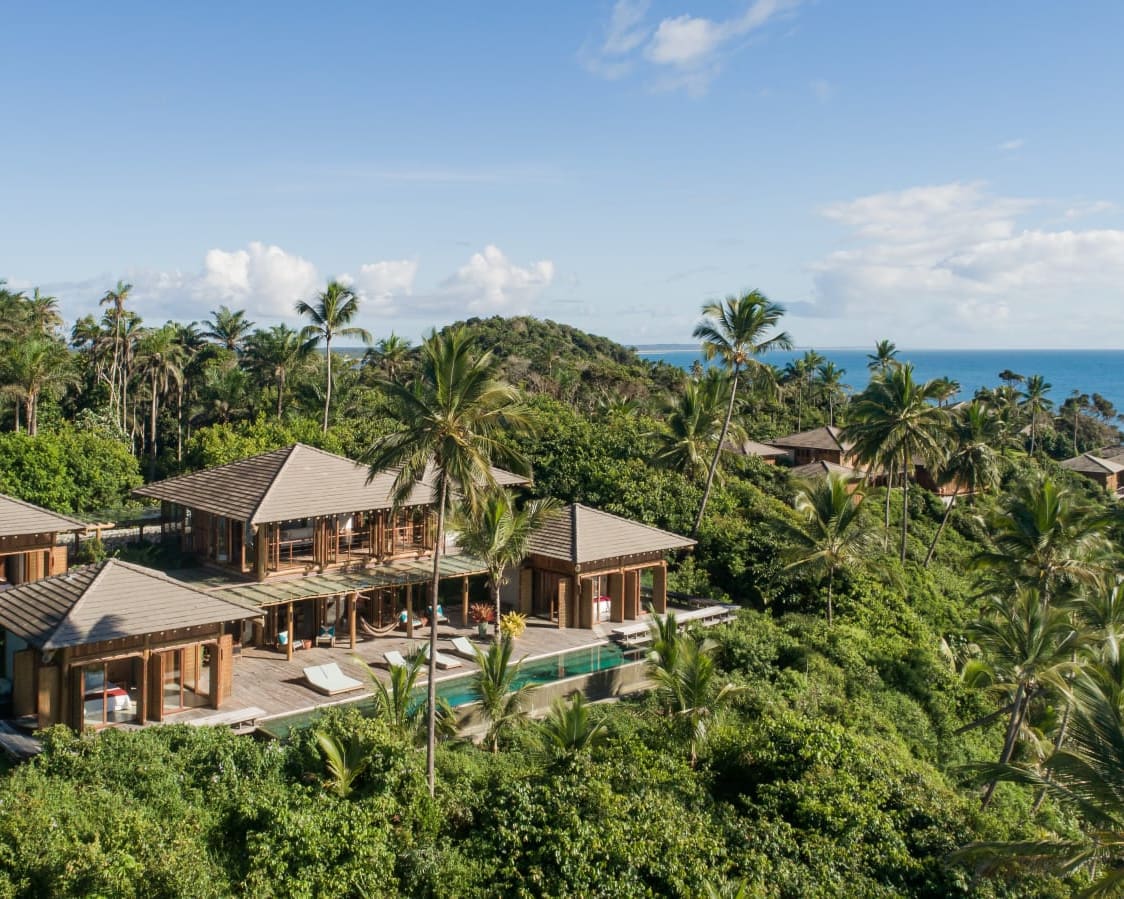
Image courtesy of Barracuda Hotel & Villas
Extending your Brazil journey connects to dramatic desert lagoons, remote marine sanctuaries, modernist architecture, and deep Amazonian rainforests.
Brasília (1.5–2 hour flight from São Paulo or Rio de Janeiro): Built from scratch in the 1950s, this UNESCO-listed capital city showcases one of the world’s largest concentrations of visionary modernist architecture from Oscar Niemeyer.
Itacaré (2-hour flight from São Paulo, then about an hour drive): Nestled along Bahia’s Cocoa Coast, this surf town combines dense Atlantic Forest with secluded beaches and high-end eco-resorts like Txai Resort Itacaré and Barracuda Hotel & Villas.
Pantanal (2.5 hour flight from São Paulo): This open flooded plain and tropical wetland offers boat safaris and guided 4×4 excursions that yield unparalleled opportunities to spot wild jaguars, giant river otters, capybaras, and hyacinth macaws.
Lençóis Maranhenses (3.5-hour flight from São Paulo or Rio de Janeiro): Located on Brazil’s northeastern coast near São Luís, this national park features sweeping white sand dunes and seasonal freshwater lagoons that typically reach their highest levels between May and August, depending on rainfall.
Manaus (4-hour flight from São Paulo or Rio de Janeiro): Positioned deep in the Amazon, this isolated jungle metropolis acts as the primary gateway for rainforest lodge stays and river cruises, and the nearby “Meeting of the Waters,” where the dark Rio Negro and pale Solimões rivers flow side by side without mixing for miles.
Fernando de Noronha (4-hour flight from São Paulo): This pristine volcanic archipelago off the northeastern coast operates under strict visitor and environmental controls to preserve its sanctuary status, offering world-class diving, dolphin encounters, and secluded beaches.
If not Brazil…
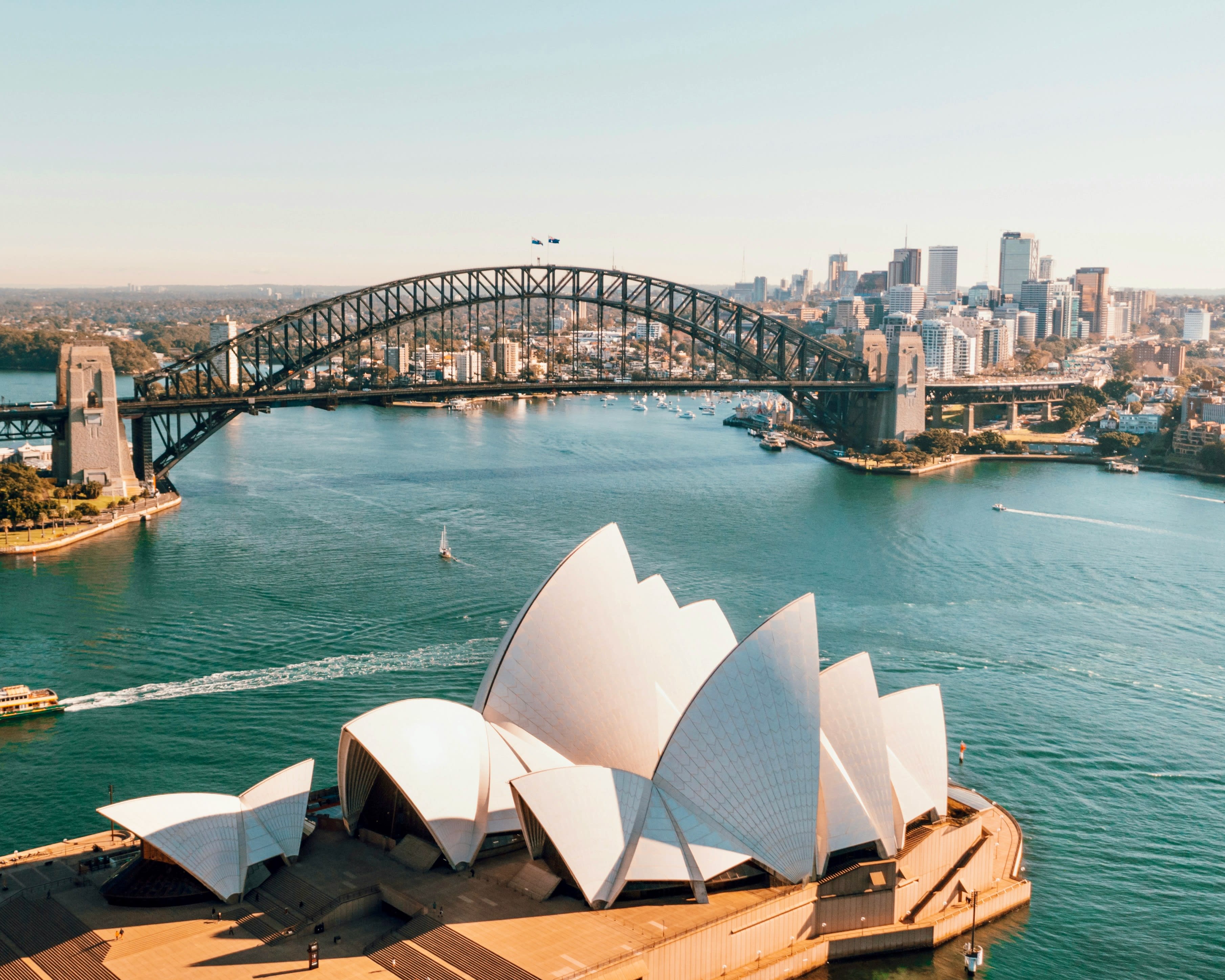
For travelers drawn to Brazil’s unique synthesis of dramatic coastal topography, electric urban energy, deep musical heritage, and laid-back beach culture, several destinations around the world capture a remarkably similar spirit.
Los Angeles: From the oceanfront boardwalks of Santa Monica and Venice to the sun-drenched Hollywood Hills, LA captures Brazil’s casual outdoor lifestyle, health-conscious dining, and vibrant creative culture.
Sydney: Legendary ocean strands like Bondi and Manly anchor a thriving beach and surf scene, while world-class harborfront dining, iconic modern architecture, and nearby national parks offer a refined Southern Hemisphere alternative.
Cape Town: Table Mountain and Lion’s Head frame white-sand beaches like Camps Bay, while a rich local music scene, world-class winelands just an hour inland, and complex historical sites mirror Brazil’s landscape and social depth.
Greece: Travelers can explore the monumental ruins of the Acropolis and vibrant, historic neighborhood plazas of Athens before retreating to the upscale beach clubs, seaside dining, and clear turquoise waters along the Athens Riviera.
Mexico: Mexico City matches São Paulo’s massive scale, world-class modern dining, and art scene. Oaxaca delivers the deep culinary heritage, historic plazas, and artisan traditions reminiscent of Salvador. Beachside communities like Puerto Escondido offer a bohemian, surf-centric coastal relaxation similar to Trancoso.
Start in Rio. See where Brazil takes you.
From cocktails above Ipanema to dawn in the Amazon, WeGalavant will build your Brazil itinerary around the places you can’t stop thinking about, with VIP hotel perks where available.


BEST THE JOURNAL
of
European Christmas markets transform historic town squares into winter celebrations rooted in centuries-old traditions, regional craftsmanship, and seasonal gastronomy. Germany’s historic cities and towns, from Dresden to Nuremberg, lay the foundation with classic timber chalets, handcrafted wooden folk art, and warm Glühwein. Imperial capitals like Vienna and Prague add fairy-tale backdrops, backdrop light displays, and […]
Beyond the well-known shores of Bali, Indonesia is made up of a vast tapestry of distinct regional identities, untamed nature, spiritual traditions, and vibrant local life across thousands of volcanic islands. Java pulls travelers into its cultural core with towering 9th-century stone monuments, active volcanic peaks like Mount Bromo, and the artistic heritage of Yogyakarta. […]


+ Show / Hide Comments
Share to: